Trump's Sons Poised to Profit from Billion-Dollar Kazakhstan Mining Deal Amid Surging Tensions in Mideast
پسران ترامپ در آستانه سود از قرارداد یک میلیارد دلاری معدن قزاقستان؛ تنشها در خاورمیانه رو به افزایش
A new billion-dollar mining deal between the U.S. and Kazakhstan, with ties to former President Trump's sons, is making waves, reshaping Central Asian geopolitics. Meanwhile, escalating tensions in the Middle East see Iran asserting sole control over the Strait of Hormuz, directly impacting regional markets where the Toman has weakened and gold prices have jumped.
At time of publishing
USD
171,050
Toman
Gold 18K
16.93M
Toman / gram
Bitcoin
$60,018
US Dollar
Tether
171,293
Toman
Trump's Sons Poised to Profit from Billion-Dollar Kazakhstan Mining Deal
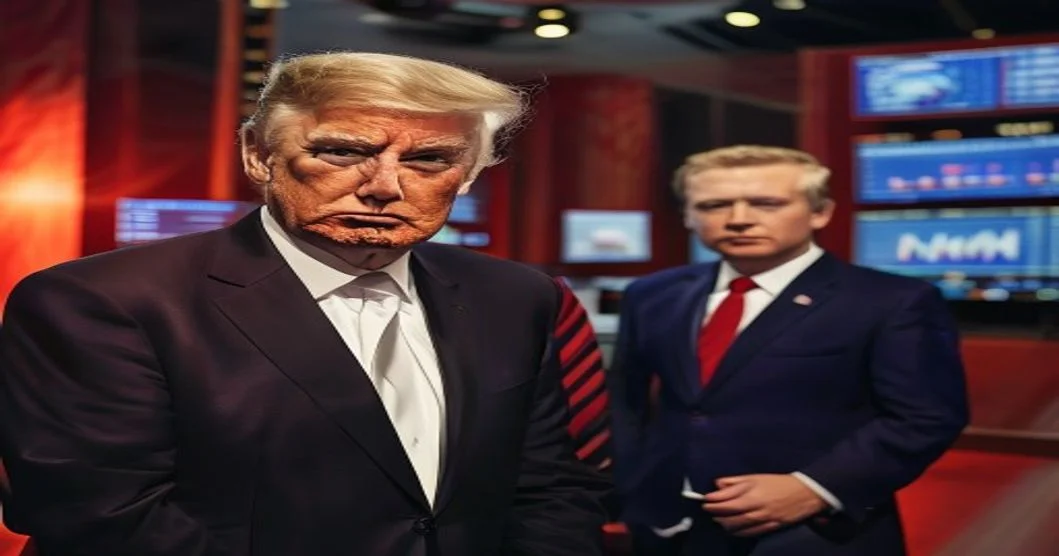
A significant billion-dollar mining deal between the United States and Kazakhstan has come to light, with direct financial ties to former President Donald Trump's sons and the U.S. Commerce Secretary. This agreement grants a consortium of American investors, linked to the Trump administration, access to one of the world's most substantial untapped tungsten reserves. The timing and nature of this deal raise questions about potential conflicts of interest, given the close proximity of the beneficiaries to a former head of state, and signal a broader strategic pivot in U.S. foreign policy towards Central Asia.
This move by Kazakhstan to deepen its ties with Washington, particularly through such a lucrative economic agreement, is a calculated geopolitical maneuver. The Central Asian nation is actively seeking to counterbalance the longstanding influence of its powerful neighbors, Russia and China, by aligning more closely with the West. For the U.S., securing access to critical minerals like tungsten, essential for various high-tech industries and defense, strengthens its strategic supply chains and extends its economic footprint into a region traditionally dominated by rival powers. The deal, therefore, is not merely commercial but a significant geopolitical play with long-term implications for global resource distribution and regional power dynamics.
Iran Asserts Sole Control Over Hormuz Amid Escalating Regional Tensions
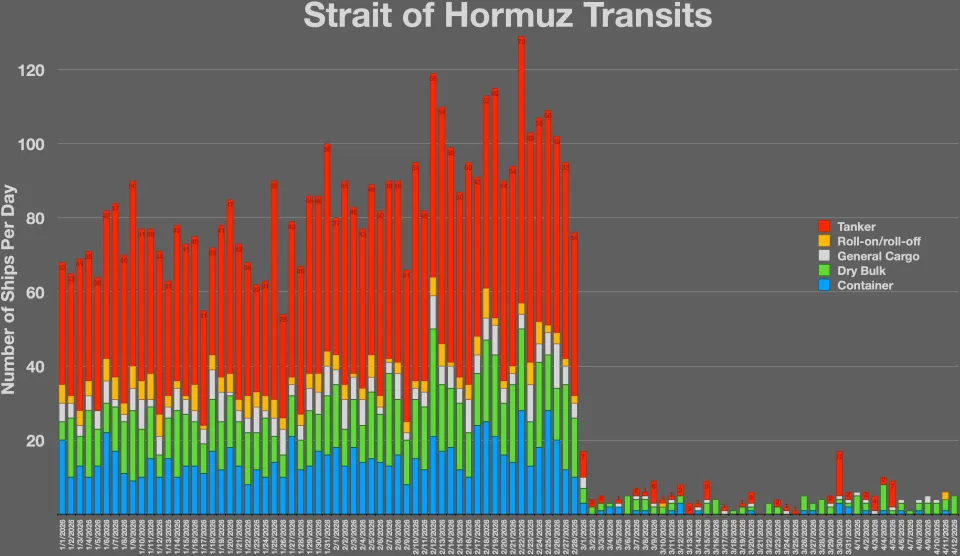
Amid a backdrop of intensifying hostilities and exchanges of threats between the U.S. and Iran, Tehran has firmly asserted its exclusive responsibility for the reopening and management of the Strait of Hormuz. Foreign Minister Abbas Araghchi stated that the Islamic Republic alone holds this responsibility, urging all other parties to refrain from interfering in Tehran's control over the strategic waterway, citing a memorandum of understanding (MoU) with the United States. This declaration comes as President Donald Trump has reportedly threatened to “annihilate” Iran following recent crossfire in the Gulf, including alleged Iranian strikes on U.S. bases in Kuwait and Bahrain in retaliation for earlier U.S. actions.
This forceful stance by Iran underscores the extreme volatility in the Middle East, where a fragile ceasefire appears to be continuously tested. The Strait of Hormuz is a critical chokepoint for global oil shipments, with a substantial portion of the world's crude oil passing through it daily. Any threat to its free passage, or unilateral claims of control, sends ripples through international energy markets and raises profound concerns about global economic stability. Araghchi’s comments, therefore, are a clear signal of Iran's resolve to exert its influence in the region, even as it navigates a perilous diplomatic tightrope with Washington.
Iranian Markets React to Heightened Regional Instability
In response to the escalating geopolitical tensions and the ongoing diplomatic standoff, Iranian markets have shown significant movement over the past 24 hours. The U.S. Dollar (USD) against the Iranian Rial (IRR) saw a notable increase, moving from 166,850 Toman to 171,050 Toman, marking a 2.5% rise. This depreciation of the Toman reflects heightened uncertainty and a scramble for hard currency amidst fears of further sanctions or regional instability, which historically impacts the local economy and purchasing power.
Similarly, the value of gold and local coins experienced substantial gains. Gold 18k per gram increased from 16,530,310 Toman to 16,934,530 Toman, a 2.4% jump. The Emami coin, a popular investment vehicle in Iran, surged even more dramatically, from 166,000,000 Toman to 172,000,000 Toman, an impressive 3.6% increase. These movements indicate that investors are increasingly turning to safe-haven assets as a hedge against inflation and economic volatility, driven by the persistent geopolitical friction and the perceived risk of a wider conflict in the region. The market's reaction clearly illustrates the direct economic consequences of diplomatic rhetoric and military posturing.
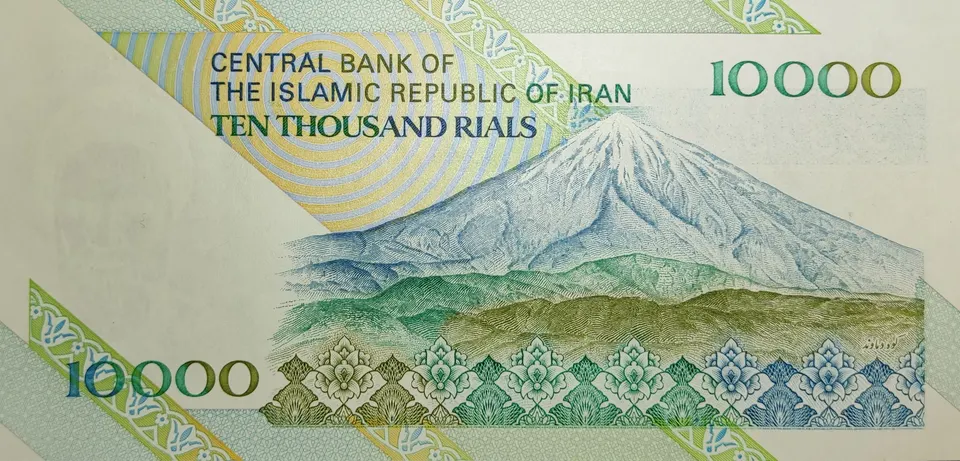
Iran Judiciary Chief Dismisses US Human Rights Claims as 'Ridiculous'
Adding another layer to the already frosty diplomatic relations between Tehran and Washington, Iran's Judiciary Chief, Gholamhossein Mohseni-Ejei, has vehemently rejected U.S. claims of supporting human rights, labeling them as “ridiculous.” Mohseni-Ejei accused Washington of employing military aggression, economic pressure, and media warfare as tools to advance its own national interests, rather than genuinely promoting human rights. This strong condemnation comes at a time when both nations are locked in a contentious dialogue, with each side frequently leveling accusations against the other.
Such rhetoric from a high-ranking Iranian official further solidifies the ideological chasm that divides the two countries. It highlights Iran's perception of U.S. foreign policy as hypocritical and self-serving, particularly concerning its interventions and criticisms in the Middle East. This public dismissal of U.S. human rights concerns is not merely a verbal jab; it serves to galvanize domestic support, reinforce the government's narrative of resilience against external pressures, and signal to the international community that Tehran will not yield to what it views as politically motivated critiques.
Echoes of Past Conflicts: General Caine's Account Resurfaces
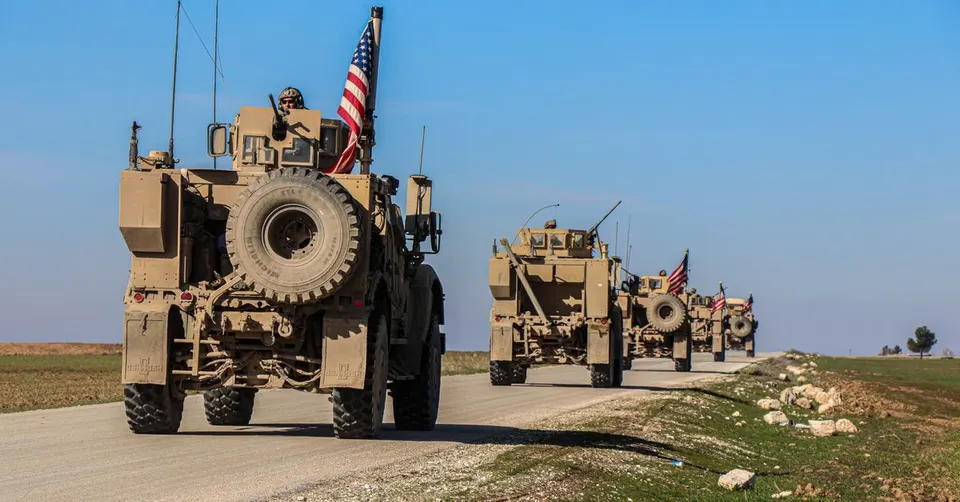
In a stark reminder of the deep-seated historical animosity and mistrust that continues to define U.S.-Iran relations, a compelling quote from former U.S. General Dan Caine has resurfaced: “Every Iranian who had a small gun was shooting at us.” This vivid recollection pertains to a past rescue mission, highlighting the intense resistance and widespread animosity encountered by U.S. forces. The re-emergence of such accounts serves to contextualize the current geopolitical climate, reminding observers of the profound historical grievances and the deeply ingrained perspectives on both sides.
This quote, now accompanied by stories from the Iranian perspective of those who confronted the helicopters, underscores the enduring narrative of defiance and resilience within Iran. It illustrates how past military engagements and perceived foreign interventions have shaped a collective memory of resistance, which continues to influence contemporary Iranian foreign policy and public sentiment. Understanding these historical echoes is crucial for grasping the complexity of the current U.S.-Iran standoff, as deeply held grievances and experiences of conflict continue to fuel mutual suspicion and shape the trajectory of regional events.
Frequently Asked Questions
What is the significance of the U.S.-Kazakhstan mining deal involving Trump's sons?
How has Iran's assertion of sole control over the Strait of Hormuz impacted regional stability and markets?
What do the recent market movements in Iran (USD, Gold, Emami coin) indicate?
What is the context of Iran's Judiciary Chief calling U.S. human rights claims 'ridiculous'?
How do historical accounts, like General Caine's quote, influence current U.S.-Iran relations?
Geopolitical Risk: Navigating Global Tensions and Their Economic Ripple Effects
Geopolitical risk refers to the potential for political events—such as conflicts, wars, terrorism, and shifts in international relations or policy—to disrupt global stability and economic activity. It's a pervasive factor that introduces uncertainty for businesses, investors, and entire economies, influencing everything from commodity prices and trade routes to investment decisions and currency valuations. Understanding this risk is crucial for comprehending how seemingly distant political developments can have far-reaching financial consequences.
The escalating tensions in the Middle East, particularly involving the U.S. and Iran and concerns over critical chokepoints like the Strait of Hormuz, serve as prime examples of heightened geopolitical risk. These scenarios introduce significant uncertainty into global energy markets and supply chains, potentially impacting international trade and investor confidence far beyond the immediate region. The threat of disruption to vital shipping lanes, for instance, can cause oil prices to spike, affecting economies worldwide.
For countries directly embroiled or neighboring such flashpoints, like Iran, heightened geopolitical risk can trigger severe domestic economic instability. This often manifests as rapid currency depreciation, such as the Toman's exchange rate falling sharply, as both domestic and international investors lose confidence in the local currency and economy. In response, there's a surge in demand for perceived safe-haven assets—like gold and specific local alternatives such as the Emami coin—leading to price surges as people attempt to protect their wealth from inflation and uncertainty.
Ultimately, even seemingly unrelated international business ventures, like a billion-dollar mining deal in Kazakhstan, are evaluated through the lens of overarching geopolitical stability. The interconnectedness of the global economy means that regional crises can cast long shadows, influencing capital flows, supply chain resilience, and the overall attractiveness of investments worldwide. Recognizing and assessing geopolitical risk is therefore an essential component of strategic planning for governments, corporations, and individuals alike.