
Iran Agrees to Peace Talks as Markets React to Supreme Court Rulings
مذاکرات صلح ایران و واکنش بازارها به احکام دیوان عالی
Iran has agreed to engage in peace talks in Doha following recent military tensions, a move announced by former US President Trump. Meanwhile, the US Supreme Court's rulings on regulatory firings and the Federal Reserve have implications for market stability.
At time of publishing
USD
169,650
Toman
Gold 18K
16.53M
Toman / gram
Bitcoin
$59,121
US Dollar
Tether
170,451
Toman
Iran Agrees to Peace Talks in Doha
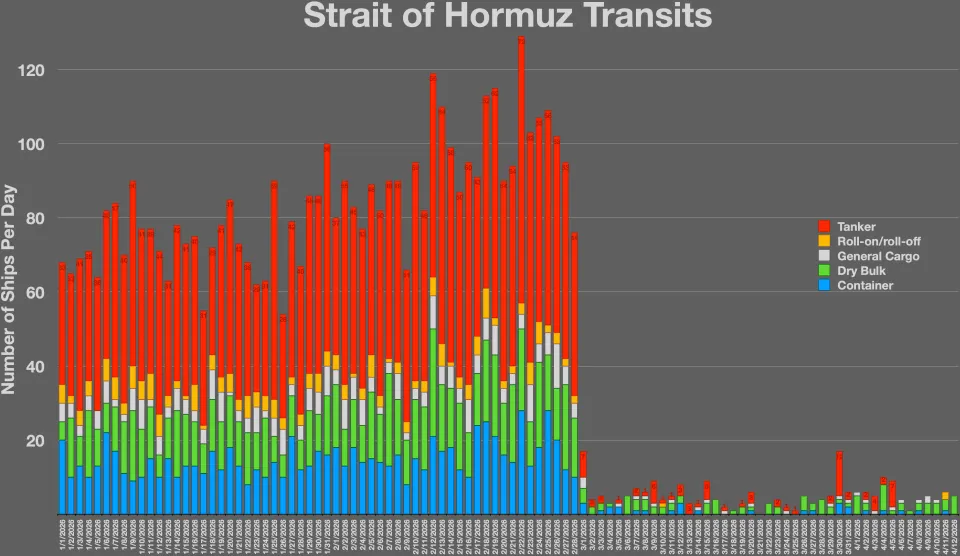
In a significant development, former US President Donald Trump has claimed that Iran has agreed to participate in peace talks in Doha. This announcement comes in the wake of heightened military tensions in the Strait of Hormuz, where exchanges of fire between US and Iranian forces threatened to derail a fragile ceasefire. The potential talks are set to take place in the Qatari capital, aimed at de-escalating the situation and ensuring the safe passage of shipping through this critical international waterway.
This move marks a tentative step towards reducing hostilities in a region that holds significant geopolitical and economic importance. The Strait of Hormuz is a pivotal corridor for global oil shipments, and disruptions there have historically led to volatility in energy markets. For Iran, successful talks could mean easing sanctions and improving its economic outlook, which has been under strain due to prolonged international tensions.
Supreme Court Rulings Impact Market Sentiments
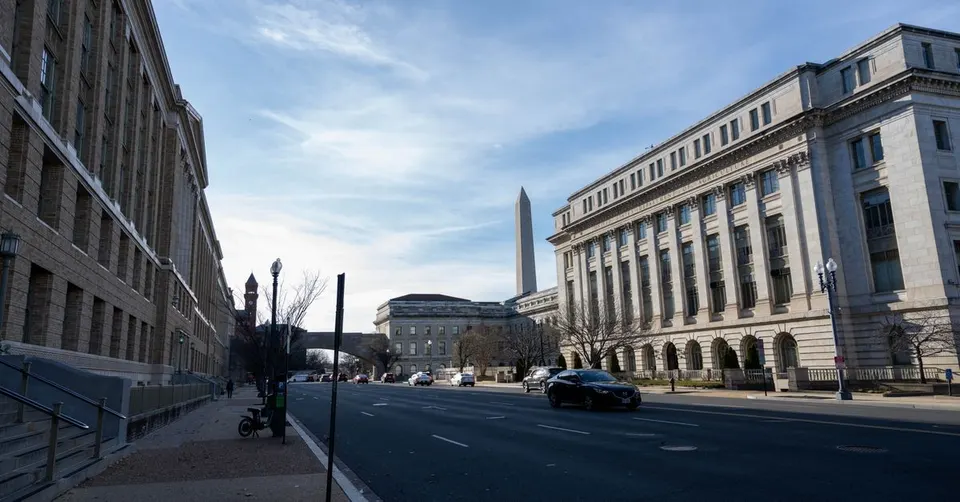
The US Supreme Court has recently ruled on significant cases involving former President Trump's attempts to dismiss certain federal regulators, including Federal Reserve governor Lisa Cook. While the court upheld the independence of the Fed by ruling against Trump's attempt to fire Cook, it expanded the president's power to remove other regulators. These decisions underscore the ongoing tensions between executive authority and institutional independence in the US.
For global markets, particularly those linked to the US dollar and central bank policies, these rulings are critical. The independence of the Federal Reserve is a cornerstone of financial stability, and any perceived threats to that independence can ripple through currency and commodity markets. Investors will be closely watching for any policy shifts that could impact inflation expectations and interest rates, both of which are key drivers of market behavior.
Pakistani Energy Deals With Iran
On the regional front, Pakistan has announced plans to increase its imports of liquefied petroleum gas (LPG) from Iran, alongside considerations to import cheaper crude oil from the Islamic Republic. This development reflects Pakistan's ongoing role as a mediator in US-Iran negotiations and its strategic interest in securing energy supplies amidst regional volatility.
Pakistan's move to deepen energy ties with Iran not only highlights its balancing act in Middle East politics but also signals potential economic benefits for Iran amid international sanctions. Such energy agreements could provide Iran with much-needed economic relief and strengthen its regional alliances, especially as global energy markets continue to adapt to shifting geopolitical landscapes.

Former MP Pleads Guilty in Betting Offence
In a different sphere, former UK Member of Parliament Craig Williams has pleaded guilty to charges related to a general election betting offence. This case has drawn attention due to Williams' previous role as an aide to then-Prime Minister Rishi Sunak, adding a layer of political intrigue to the proceedings.
The guilty plea highlights concerns about political ethics and legal accountability in public office. Such issues can influence public trust in government institutions and may have broader implications for political stability, particularly in systems where public perception plays a critical role in governance.
Arab League's Inability to Halt Regional Conflicts
A recent analysis from Al Jazeera questions the effectiveness of the Arab League in addressing conflicts involving Israel and Iran-aligned groups. The report suggests that internal divisions and external dependencies have limited the League's ability to act decisively in regional crises.
This assessment is crucial for understanding the geopolitical dynamics in the Middle East, where alliances and rivalries shape the political landscape. For Iran, the Arab League's limitations could mean continued challenges in achieving regional influence, but also opportunities to navigate alliances on its terms.

Frequently Asked Questions
What led to the peace talks between Iran and the US?
How do the US Supreme Court rulings affect global markets?
What are the implications of Pakistan's energy deals with Iran?
Why is the Arab League unable to address regional conflicts effectively?
What is the significance of the former MP's guilty plea in the UK?
The Interplay of Geopolitics, Law, and Financial Markets
Financial markets, often perceived as purely economic arenas driven by supply, demand, and corporate earnings, are in reality profoundly influenced by a complex web of non-economic factors. The headline, linking Iran's peace talks to market reactions and also mentioning US Supreme Court rulings, perfectly illustrates this intricate relationship. Investors and analysts must look beyond traditional economic indicators to understand the full spectrum of forces shaping market sentiment and asset prices.
One significant non-economic factor is geopolitical risk. Events such as peace negotiations, regional conflicts, international energy agreements (like the Pakistan-Iran energy deal), or shifts in alliances can introduce immense uncertainty or create new opportunities. This uncertainty directly impacts commodity prices, currency exchange rates, and investor confidence in specific regions or even globally. For instance, progress in peace talks might reduce perceived risk, leading to increased investment, while escalating tensions could trigger capital flight and market downturns.
Equally impactful are legal and regulatory decisions. Domestic legal rulings, particularly from high courts like the US Supreme Court, can fundamentally alter the operating environment for industries, redefine property rights, or reshape consumer behavior. Changes in regulatory frameworks, often tied to the concept of "regulatory independence" (as hinted by the Federal Reserve keyword), can create new compliance burdens, open up new markets, or restrict existing practices. Such decisions can lead to significant sector-specific shifts, affecting stock valuations, bond yields, and overall market stability.
Understanding this interplay is crucial for making informed investment decisions and for comprehending global economic dynamics. Markets are not isolated systems; they are highly sensitive barometers reflecting not just economic fundamentals but also the political stability, legal certainty, and geopolitical landscape of the world. A holistic view that integrates these diverse influences is essential for navigating the complexities of modern financial markets.