
Tragedy in Germany and a Constitutional Clash in Washington: Global Stability on the Brink
تراژدی در آلمان و نبرد قانون اساسی در واشینگتن؛ ثبات جهانی در لبه تیغ
A fatal shooting at a German youth center has shocked Europe, while the US Supreme Court blocks a major attempt by the Trump administration to influence the Federal Reserve. Meanwhile, the Iranian Toman sees a sharp 2.9% recovery as regional de-escalation hopes grow.
At time of publishing
USD
169,850
Toman
Gold 18K
16.55M
Toman / gram
Bitcoin
$59,583
US Dollar
Tether
171,475
Toman
Tragedy in Northern Germany: 6 Killed at Youth Center
In a shocking turn of events this Monday evening, German authorities confirmed that six people were killed in a shooting at a youth center in Northern Germany. While the motive remains unclear, police have been quick to state that the incident is not currently believed to be related to terrorism. This event has sent ripples of anxiety across a continent already grappling with political shifts and a record-breaking heatwave. The immediate impact was felt in local security protocols, with several neighboring states increasing police presence at public venues as a precautionary measure.
For global observers, this tragedy underscores the fragile nature of internal security in Europe during a period of heightened social tension. While the markets rarely react to isolated criminal incidents, the cumulative effect of such tragedies in major Western economies can dampen consumer confidence and increase the 'risk-off' sentiment among investors. As the investigation continues, the German government is under pressure to address the rising tide of gun-related violence, even in countries with traditionally strict control laws.

US Supreme Court Blocks Trump’s Attempt to Fire Fed Governor
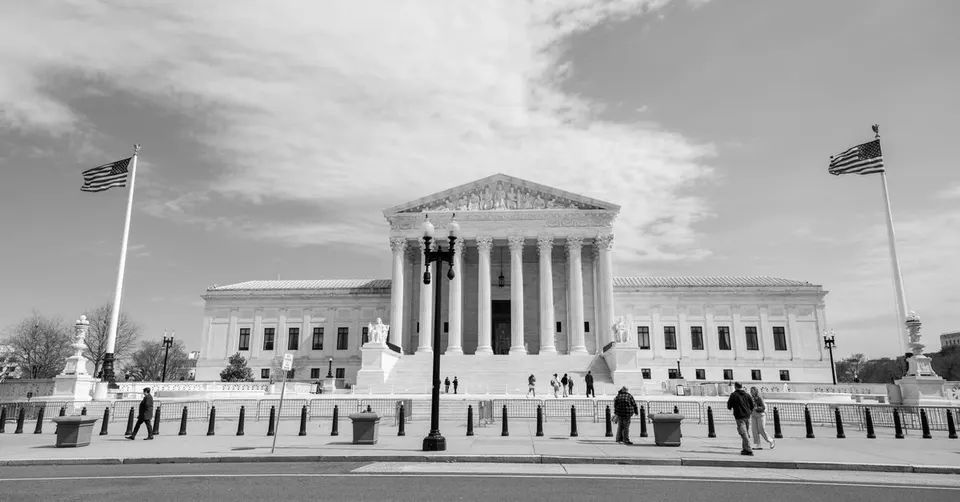
The US Supreme Court has delivered a landmark ruling, refusing to allow President Donald Trump to fire Federal Reserve governor Lisa Cook. This decision is being hailed as a major victory for the independence of the central bank, preventing the executive branch from exercising direct control over the personnel responsible for monetary policy. Liberal justices, led by Sonia Sotomayor, issued a blistering dissent against other rulings that expanded presidential power, warning of a "destabilizing" shift that could grant the presidency powers unknown since the era of the English crown.
This legal battle matters immensely for global markets because the Federal Reserve’s independence is the bedrock of the US dollar’s credibility. If investors believe that interest rate decisions are being made based on political whims rather than economic data, inflation expectations could spiral out of control. By protecting Lisa Cook’s seat, the court has signaled to Wall Street that the "checks and balances" of the American financial system remain functional, even amidst a highly polarized political environment. This ruling likely contributed to the relative stability of the USD on the global stage this hour.
The UK’s Pivot North: Andy Burnham’s 'No. 10 North' Plan
In the United Kingdom, the political landscape is shifting rapidly as Andy Burnham, the likely next Prime Minister, unveiled an ambitious plan to decentralize power. Burnham’s "No. 10 North" initiative aims to establish a secondary seat of government in Manchester, moving significant funding and decision-making authority away from London. This "Manchesterism" approach is designed to drive economic growth in neglected postcodes and rebalance an economy that has been heavily skewed toward the financial hub of the capital for decades.
Critics argue that while the vision is bold, it lacks a comprehensive economic framework to support such a massive administrative move. However, for international businesses and investors, this signals a potential change in where capital might flow in the UK. A shift toward the North could revitalize manufacturing and tech sectors in the Midlands and beyond, creating new opportunities for foreign direct investment. It represents a broader global trend where secondary cities are increasingly challenging the dominance of traditional financial capitals.
Iranian Markets Rally as Toman Gains Ground
The Iranian domestic market experienced a significant correction today, with the US Dollar (USD) dropping from 174,950 to 169,850 Toman, a decline of 2.9%. This recovery of the local currency was mirrored in the gold market, where 18k gold fell by 4.0%, moving from 17,249,873 to 16,551,779 Toman per gram. The Emami gold coin also saw a 2.3% decrease, closing at 169,000,000 Toman. These shifts suggest a cooling of the speculative fever that had gripped the market earlier in the week, likely driven by reports of ongoing negotiations and a potential de-escalation in regional tensions.

Beyond the currency fluctuations, Iran is actively pursuing regional economic diplomacy. The appointment of a national representative for Expo 2027 in Belgrade and discussions with Pakistan regarding cheaper oil supplies and increased LPG trade indicate a strategy of economic diversification. Despite the rise in global oil prices due to recent US-Iran strikes, the underlying trend in Tehran seems to be one of cautious optimism, as the state seeks to manage mutual pain through memorandums of understanding rather than outright conflict. For the average Iranian citizen, this dip in the dollar provides a brief moment of relief in an otherwise volatile inflationary environment.
Frequently Asked Questions
Why did the US Supreme Court block the firing of Lisa Cook?
What caused the sharp drop in the USD/IRR rate today?
What is the 'No. 10 North' plan proposed by Andy Burnham?
The Crucial Role of Federal Reserve Independence
The concept of "Federal Reserve independence" is a cornerstone of modern economic governance, particularly vital for maintaining stability in complex global financial systems. At its core, it refers to the ability of a central bank, such as the U.S. Federal Reserve, to make monetary policy decisions—like setting interest rates or managing the money supply—free from direct political interference or short-term electoral pressures. This autonomy is crucial because it allows the central bank to prioritize long-term economic health over immediate political expediency.
The rationale behind central bank independence is rooted in the historical understanding that governments, driven by electoral cycles, might be tempted to manipulate monetary policy for short-term gains, such as boosting employment before an election, even if it risks long-term inflation. An independent Federal Reserve, conversely, can focus on its dual mandate of achieving maximum employment and stable prices, making decisions based purely on economic data and expert analysis. This insulation helps to anchor inflation expectations, foster investor confidence, and ultimately contribute to sustainable economic growth, shielding the economy from boom-bust cycles often fueled by political opportunism.
Ensuring this independence involves several structural safeguards, including long, staggered terms for its governors, independent funding mechanisms, and a clear, legally defined mandate. However, the concept is not without its challenges. In times of economic stress or high political polarization, debates over the Fed's decisions and its accountability often intensify, leading to calls for greater political oversight. Eroding the Federal Reserve's independence could have severe consequences, potentially leading to higher inflation, diminished investor trust in the U.S. dollar, and increased economic volatility, thereby jeopardizing not just domestic stability but also the broader global financial equilibrium.