UK’s Political Shift North and EU’s New Trade Barriers: Global Rebalancing in an Era of Volatility
چرخش سیاسی بریتانیا به شمال و موانع تجاری جدید اروپا؛ تغییر موازنه قدرت در عصر نوسانات
As Andy Burnham moves to decentralize UK power with 'No 10 North,' the EU introduces new customs taxes on Chinese goods, signaling a tectonic shift in Western economic and political strategy.
At time of publishing
USD
170,450
Toman
Gold 18K
16.64M
Toman / gram
Bitcoin
$59,880
US Dollar
Tether
171,784
Toman
Decentralizing Power: Manchester Becomes the UK’s New Political Hub
In a move that could redefine the British political landscape for decades, Andy Burnham has confirmed his intention to establish a "No 10 North" in Manchester. This proposal, aimed at what he calls the "biggest rebalancing of power the country has ever seen," signifies a major shift away from the London-centric governance that has dominated the UK. Burnham’s speech emphasizes that the North of England will no longer be a peripheral player in national decision-making but a primary engine of policy. For international observers and partners, including those in the Middle East, this suggests a more fragmented but potentially more resilient British political structure that could alter how diplomatic and trade engagements are handled outside the traditional Westminster bubble.
However, this political evolution comes with a darker legislative shadow. The UK’s State Threats Bill is currently under intense scrutiny, with legal experts warning it could inadvertently criminalize journalists and NGOs who use sources from state-backed groups in countries like Iran. This legislation, intended to bolster national security, risks creating a chilling effect on international reporting. If foreign correspondents face prosecution for standard investigative practices, the flow of reliable information regarding regional geopolitics could be severely restricted, making it harder for global markets to price in risks associated with Middle Eastern diplomacy.

The End of Cheap Imports? EU Cracks Down on Chinese E-Commerce
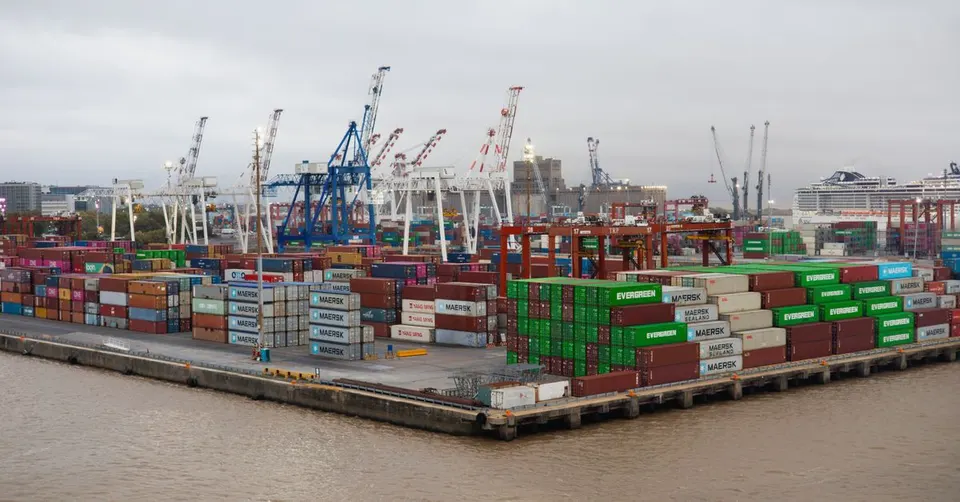
The European Commission has officially moved to end the "de minimis" exemption that allowed small parcels worth under €150 to enter the EU tax-free. By introducing a mandatory €3 customs charge, Brussels is taking a direct shot at the dominant rise of Chinese fast-fashion and e-commerce giants like Shein and Temu. This policy is not merely about tax revenue; it is a strategic attempt to prevent the "desertification" of European high streets, which have struggled to compete with the sheer volume of cheap, untaxed imports from the East. This move marks a significant escalation in the trade friction between the EU and China, as both sides prepare for a widening imbalance in their commercial relationship.
For the global consumer and the broader supply chain, this represents the beginning of the end for the era of hyper-cheap global shipping. As the EU Trade Commissioner Maros Sefcovic meets with Chinese counterparts in Brussels, the tension is palpable. China’s reliance on export-led growth is hitting a wall of Western protectionism. For Iranian traders and businesses that often utilize European gateways or parallel import routes, these new barriers will likely increase the cost of logistics and necessitate a shift in sourcing strategies. The global economy is moving toward a model of localized protectionism, which invariably leads to higher inflationary pressures on finished goods.
Energy Markets and the Toman: A Tale of Resilience Amidst Friction
Despite a weekend of renewed military friction between the U.S. and Iran, the Iranian Toman has shown surprising resilience in the face of geopolitical uncertainty. In the last 24 hours, the USD/IRR rate moved from 174,950 to 170,450, representing a 2.6% appreciation for the local currency. Similarly, Gold 18k per gram dropped from 17,249,873 to 16,637,194, a significant 3.6% decrease. This downward trend in hard asset prices suggests that domestic market intervention or a localized cooling of speculative demand is outweighing the external pressures of rising energy costs. Usually, regional escalations trigger a flight to the dollar, but today’s data shows a market that is temporarily decoupled from the immediate headlines of conflict.
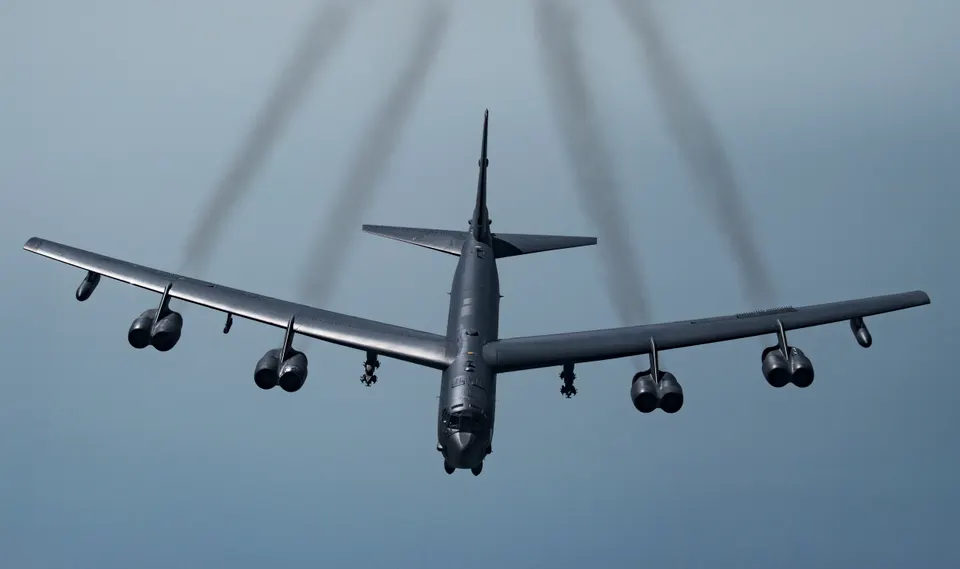
In the global energy sector, oil prices have climbed by approximately 1.18%, with Brent Crude reaching $72.84. This rise is a direct response to the flare-up in the Persian Gulf, which has shaken the market's recent complacency regarding a potential peace deal. Analysts are increasingly warning that global inventories are at multi-decade lows, meaning any sustained disruption in the Strait of Hormuz could lead to a sharp, non-linear spike in prices. For the Iranian economy, this creates a paradoxical situation: while higher oil prices increase potential state revenue, the underlying geopolitical tension continues to complicate the long-term stabilization of the Toman and the broader industrial sector.
Frequently Asked Questions
How does the UK State Threats Bill affect Iranian news coverage?
Why is the EU introducing a €3 customs charge on small parcels?
Why did the Toman strengthen while oil prices rose due to conflict?
Understanding Protectionism in a Volatile Global Economy
In an era marked by shifting geopolitical landscapes and economic uncertainties, the concept of Protectionism has re-emerged as a dominant force shaping international trade. Simply put, protectionism refers to government policies that restrict international trade to help domestic industries. This often involves measures designed to make imported goods and services less competitive than locally produced ones, thereby encouraging national production and consumption.
The primary tools of protectionism include tariffs, quotas, and subsidies. Tariffs, like the potential EU import tax on Chinese goods or customs duties on e-commerce giants such as Shein and Temu, are taxes levied on imported goods. These taxes increase the price of foreign products, making them less attractive to consumers and giving domestic producers a price advantage. Quotas, on the other hand, set limits on the quantity of goods that can be imported, directly restricting foreign supply. Subsidies involve government payments to domestic industries, helping them lower production costs and compete more effectively against imports.
Nations adopt protectionist policies for various reasons. Often, it's to safeguard domestic jobs and industries from what they perceive as unfair foreign competition, or to foster the growth of 'infant industries' that are not yet strong enough to compete globally. National security concerns also play a role, particularly in strategic sectors like defense or critical technologies. The recent global rebalancing, fueled by supply chain disruptions and geopolitical tensions, has seen many countries prioritize self-reliance and local production, leading to an increase in protectionist measures.
While proponents argue that protectionism protects national interests and promotes domestic economic stability, critics point to potential downsides. These include higher prices for consumers due to reduced competition, a lack of innovation, and the risk of retaliatory tariffs from other countries, which can escalate into trade wars. Understanding protectionism is crucial for comprehending the complex interplay between economic policy, international relations, and the ongoing global rebalancing.