
Oman Proposes Strait of Hormuz Transit Fee Post-Conflict; AI Shares Stumble, Iran on High Alert
عمان طرحی برای دریافت عوارض از تنگه هرمز پس از جنگ ارائه کرد؛ سهام هوش مصنوعی افت کرد، ایران در حالت آمادهباش
Oman has reportedly proposed a new fee structure for shipping through the Strait of Hormuz following the recent U.S.-Iran conflict, a move that could reshape global maritime trade. Meanwhile, AI sector shares experienced a rocky week, signaling potential market corrections, even as Iran's acting defense minister warned of decisive responses to any ceasefire violations. These developments highlight a volatile global landscape impacting geopolitics, technology, and energy markets.
At time of publishing
USD
171,450
Toman
Gold 18K
16.70M
Toman / gram
Bitcoin
$58,361
US Dollar
Tether
172,600
Toman
Oman Proposes Strait of Hormuz Transit Fee After U.S.-Iran Conflict
In a significant development for global energy markets and regional stability, Oman has reportedly put forward a proposal for Iran and itself to collect transit fees from ships navigating the critical Strait of Hormuz. This plan emerges in the aftermath of the recent U.S.-Iran conflict, suggesting a new paradigm for managing the vital waterway through which a substantial portion of the world's oil supply passes. The proposal, revealed by officials and diplomats familiar with the matter, could fundamentally alter the economics of maritime trade in the Persian Gulf, potentially adding new costs for shippers and impacting global commodity prices.
The rationale behind Oman's initiative likely stems from a desire to formalize security arrangements and potentially fund reconstruction or stabilization efforts following the recent hostilities. For Iran, such a fee could represent a new revenue stream, especially pertinent given the economic pressures it faces. However, implementing such a fee would undoubtedly ignite complex international negotiations, as major global powers and shipping companies would scrutinize its legality, impact on free navigation, and potential for escalation. The move signifies a shift towards more direct regional control over maritime routes, with far-reaching implications for geopolitical dynamics and the cost of oil and other goods worldwide.
Watch
Iran on 'THIN ICE' as Strait of Hormuz clashes threaten US deal
Fox News
Frequently Asked Questions
What is the significance of Oman's proposed Strait of Hormuz fee?
Why are AI sector shares slumping, and what does it mean for the market?
What is the context of Iran's warning regarding ceasefire violations?
How do Asia's crude oil import levels impact the global energy market?
What is the 'reader bridge' for an Iranian audience regarding Europe's heatwave?
The Strait of Hormuz: A Global Oil Chokepoint
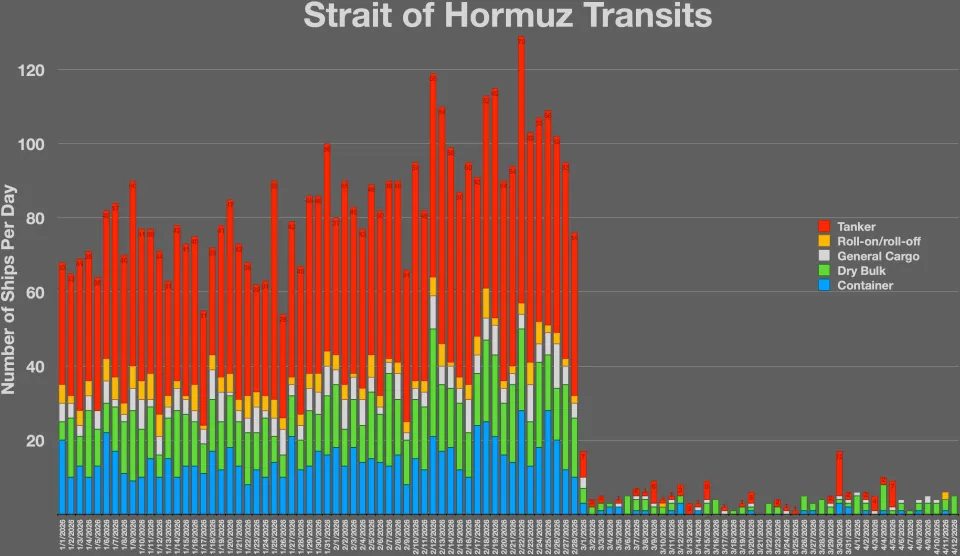
The Strait of Hormuz, a narrow waterway separating Iran and Oman, is arguably the world's most critical maritime chokepoint for oil transit. Connecting the Persian Gulf, home to some of the largest oil and natural gas producers, to the Arabian Sea and the broader global oceans, this strategic passage is indispensable for international energy markets. Its importance stems from the sheer volume of crude oil and liquefied natural gas (LNG) that passes through it daily, making it a linchpin for the global economy's energy supply.
A chokepoint, in geopolitical and economic terms, refers to a narrow channel or passage that is crucial for trade or military movement, and thus highly vulnerable to disruption. The Strait of Hormuz perfectly embodies this definition. At its narrowest point, it is only about 21 nautical miles (39 kilometers) wide, with the shipping lanes themselves being just two miles wide in each direction. This geographical constraint means that any significant disruption—whether from political tensions, military conflict, or even a natural disaster—can severely impede the flow of energy, leading to immediate and dramatic impacts on global oil prices.
The economic implications of the Strait's vulnerability are profound. A substantial portion of the world's seaborne oil, estimated by the U.S. Energy Information Administration to be around 20% of global petroleum liquids consumption, transits through Hormuz. For many Gulf nations, there are limited or no viable alternative pipeline routes to bypass the Strait for their oil exports. Consequently, the stability and security of this waterway are paramount for oil-importing nations and the health of the global economy. Threats to its passage can lead to increased shipping costs, higher insurance premiums, and speculative spikes in energy prices.
Geopolitically, the Strait of Hormuz is a focal point of regional and international power dynamics. Its control or influence is a significant strategic asset. Proposals like a transit fee, as mentioned in the headline, underscore the desire of riparian states to leverage this strategic position for economic gain or political influence. The high state of alert in the region, coupled with ongoing discussions about Middle East stability, constantly reminds the world of the fragile balance that governs the flow of vital energy resources through this irreplaceable maritime artery.