Monaco Bombing Deemed Assassination, Not Terror; US-Iran Talks in Qatar Amidst Regional Flux
بمبگذاری موناکو ترور اعلام شد، نه تروریسم؛ مذاکرات آمریکا-ایران در قطر در بحبوحه بیثباتی منطقهای
Prosecutors have reclassified the Monaco bombing as an attempted assassination, shifting its geopolitical implications. Meanwhile, US and Iranian officials meet in Qatar to de-escalate tensions, while Iran's alleged rejection of a key Hormuz pact raises shipping concerns.
At time of publishing
USD
171,350
Toman
Gold 18K
16.68M
Toman / gram
Bitcoin
$58,745
US Dollar
Tether
172,401
Toman
Monaco Bombing Deemed 'Attempted Assassination,' Not Terror
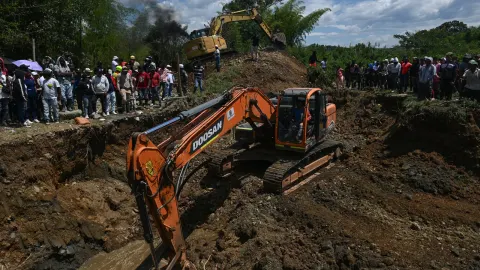
A recent bombing in Monaco, initially shrouded in uncertainty, has now been officially classified by prosecutors as an "attempted assassination" targeting a Ukrainian business tycoon, rather than a terrorist attack. This significant reclassification shifts the narrative from a broad, indiscriminate threat to a highly specific, targeted act. Authorities are actively searching for the suspect, intensifying investigations into the motives behind the attack on the Cypriot-national tycoon, Yermolaiev, who notably faced Ukrainian sanctions in 2023 for alleged business dealings in Russian-occupied Crimea.
This development is crucial because it reframes the incident from a generalized security concern to a potentially complex case with geopolitical undertones, given the victim's background and his controversial links to Crimea. The targeted nature suggests a personal or politically motivated vendetta rather than a wider extremist agenda, potentially involving state or non-state actors operating within the shadows of the ongoing conflict in Ukraine. Such incidents underscore the pervasive instability and the spillover effects of international conflicts, even into seemingly secure locations like Monaco.
While not directly impacting Iran's immediate economic indicators or currency expectations, this event contributes to the broader global environment of heightened geopolitical risk. For readers tracking international stability and its potential ripple effects, the Monaco incident serves as a stark reminder of how personal feuds, intertwined with international sanctions and conflict zones, can manifest dramatically on the world stage. Such developments, though localized, can subtly influence global risk appetite, commodity prices, and overall investor confidence in an interconnected world.
US and Iran Gear Up for Critical Meetings in Qatar Amid Tensions
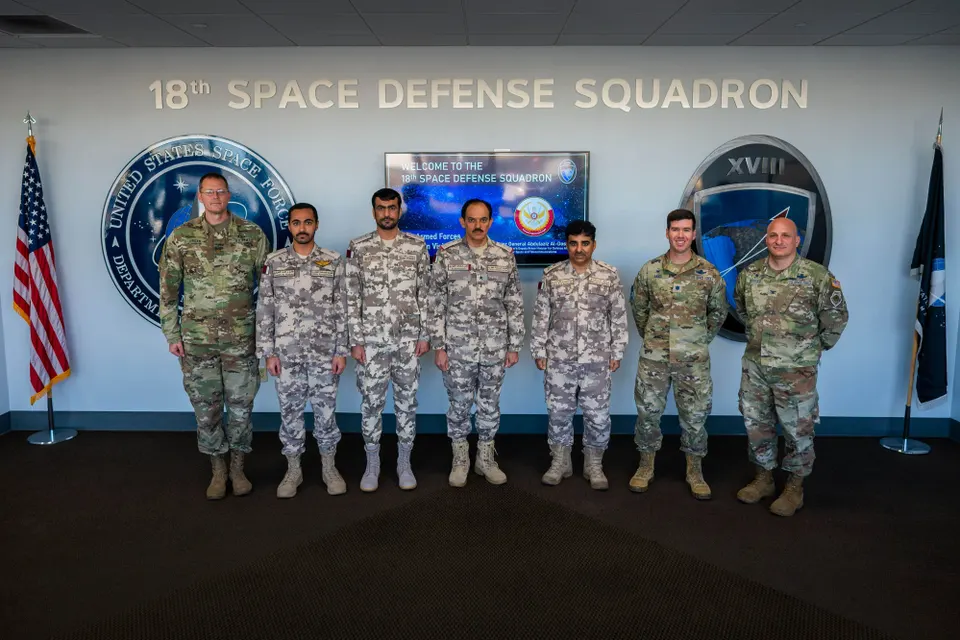
American and Iranian officials are currently in the Gulf state of Qatar, preparing for a new round of meetings that come just days after fresh attacks threatened efforts to sign a lasting peace deal. Qatar, known for its strategic role as a key mediator between Washington and Tehran, is once again hosting these delicate discussions, highlighting the persistent need for diplomatic channels even amidst escalating regional tensions. The presence of both delegations underscores a continued, albeit fragile, commitment to dialogue despite recent setbacks and renewed hostilities.
These meetings are particularly significant because they occur against a backdrop of recent violence that could easily derail any progress. The fact that both sides are still willing to engage in talks suggests a mutual recognition of the urgent need for de-escalation and a potential desire to prevent further regional instability. Diplomatic engagement, even when fraught with challenges, remains the primary avenue for managing complex international relations and addressing issues that have long fueled animosity between the two nations.
For Iranian readers, the outcomes of these discussions carry immense weight, directly influencing expectations around sanctions relief, potential trade opportunities, and the overall trajectory of the national economy. Continued dialogue, especially following renewed attacks, offers a sliver of hope for a future where economic pressures might ease and regional stability could improve. Any positive signals from these talks could bolster market sentiment, potentially impacting the Toman's exchange rate and the broader economic outlook, while a breakdown could exacerbate existing challenges.
Iran Reportedly Rejects 1968 Hormuz Shipping Pact
In a move set to potentially escalate tensions in the Persian Gulf, Iran is reportedly rejecting the 1968 maritime agreement with Oman that has historically governed the main shipping routes through the Strait of Hormuz. For decades, this pact has provided a framework for the safe and orderly passage of vessels through one of the world's most critical oil chokepoints, a strait through which a significant portion of global seaborne oil supply transits daily. This rejection signals a fundamental challenge to established international maritime norms in the region.
The implications of Iran's potential withdrawal from or rejection of this long-standing agreement are profound. Such a move could lead to increased uncertainty for international shipping, potentially resulting in higher insurance premiums, longer transit times, and ultimately, a significant surge in global oil prices. It introduces a new layer of risk to an already volatile region, challenging the principle of freedom of navigation and potentially inviting international condemnation and further geopolitical friction.
For the Iranian economy and its citizens, any disruption in the Strait of Hormuz carries severe consequences. Such actions could trigger retaliatory measures, further isolating Iran economically and exacerbating existing sanctions pressures. Domestically, this could translate into higher inflation, greater currency depreciation, and increased economic hardship as trade routes become more precarious. Globally, the energy market would react sharply, pushing up crude prices and impacting consumers worldwide, including those in Iran who rely on stable commodity markets.
Moscow Under Renewed Drone Attacks as Putin Faces Pressure
Moscow has once again come under intense drone attack, with Russian authorities reporting an astonishing 419 drones shot down across various regions, including the capital and Crimea. This sustained barrage signifies a significant escalation in the conflict, placing increased pressure on President Putin and his administration to demonstrate control and provide security amidst persistent incursions into Russian territory. The frequency and scale of these attacks highlight the evolving nature of the conflict and Ukraine's apparent strategy to bring the war closer to Russia's heartland.
The consistent targeting of Moscow and other Russian regions by drones serves multiple strategic purposes. Militarily, it aims to disrupt infrastructure and supply lines, while psychologically, it seeks to undermine public confidence in the Kremlin's ability to protect its citizens and maintain order. Each successful or attempted drone strike chips away at the narrative of Russian invincibility and forces a reallocation of resources towards domestic air defense, potentially diverting them from the front lines.
While geographically distant from Iran, the intensification of the conflict in Ukraine, particularly attacks on Moscow, contributes significantly to global geopolitical instability. This ongoing volatility impacts international energy markets, supply chains, and overall risk perception, which can indirectly influence the Iranian economy. Higher global oil prices due to conflict, for instance, could provide a temporary boost to Iran's revenues but also underscore the fragility of the global economic landscape, affecting import costs and investor sentiment within Iran.

Market Trends Amid Geopolitical Shifts: Trump's Iran Strikes and Local Gains
In a curious market phenomenon, data suggests that "Trump’s Iran strikes" in 2026 have coincided with a surprising pattern: stocks have, on average, been up more on Mondays in the second quarter. This observation, highlighted by MarketWatch citing Axios, challenges conventional wisdom that geopolitical tensions automatically lead to market downturns. It points to a complex interplay of factors where specific political actions, even those involving military engagement, might be interpreted by markets in unexpected ways, or perhaps are overshadowed by other economic drivers.
This pattern suggests that investors might be pricing in geopolitical events with a nuanced perspective, potentially viewing certain actions as contained or even as catalysts for specific sector performance. Understanding such correlations, even if coincidental, is crucial for market participants attempting to navigate a world where political events increasingly shape economic outcomes. It underscores the need for deep analytical insight beyond superficial headlines when assessing risk and opportunity in volatile global markets.
Meanwhile, closer to home, Iranian markets have shown modest gains in the last 24 hours. The US Dollar (USD) against the Iranian Toman saw a slight increase, moving from 170,450 to 171,350 (+0.5%). Gold 18k/gram experienced a parallel rise from 16,594,025 to 16,675,054 Toman (+0.5%), and the Emami coin posted a more significant gain, appreciating from 169,000,000 to 171,000,000 Toman (+1.2%). These domestic movements, amidst global geopolitical flux, indicate a degree of local investor confidence or a strategic shift towards traditional safe havens, reflecting ongoing demand and inflation expectations within Iran.

Frequently Asked Questions
Why is the reclassification of the Monaco bombing from terror to assassination significant?
What are the key implications of Iran reportedly rejecting the 1968 Hormuz shipping pact?
How do the US-Iran meetings in Qatar impact the Iranian economy?
What does the repeated drone attacks on Moscow signify for the broader geopolitical landscape?
How have Iranian markets reacted to the recent geopolitical developments?
The Geopolitical Significance of the Strait of Hormuz
The Strait of Hormuz stands as one of the world's most strategically vital maritime chokepoints, a narrow waterway connecting the Persian Gulf to the Gulf of Oman and the Arabian Sea. Bordered by Iran to the north and Oman's Musandam Governorate to the south, its geographical position makes it an indispensable conduit for global energy supplies. Its strategic importance cannot be overstated, influencing everything from international trade to geopolitical stability, particularly in the Middle East.
Economically, the Strait of Hormuz is unparalleled. Approximately one-fifth of the world's total petroleum consumption and a significant portion of its liquefied natural gas (LNG) pass through this 21-mile-wide channel daily. Tankers laden with crude oil and natural gas from Saudi Arabia, Iran, Iraq, Kuwait, Qatar, and the UAE must navigate its waters to reach international markets. Any disruption to this flow has immediate and profound implications for global energy prices, supply chains, and the broader world economy.
Geopolitically, the Strait serves as a critical leverage point, especially for Iran. Due to its direct control over the northern shore, Iran has historically asserted its right to influence or, in times of extreme tension, threaten the closure of the Strait. This potential for disruption is a significant factor in international relations, shaping diplomatic negotiations, military postures, and economic sanctions regimes. The "Strait of Hormuz pact" and "Iran maritime law" mentioned in the keywords underscore the ongoing legal and security complexities surrounding this waterway, making it a focal point in discussions like the US-Iran talks in Qatar and broader regional flux. Understanding its role is key to comprehending the intricate dynamics of Middle Eastern politics and global energy security.