AI Exports Resume, Iran Navigates Hormuz Rights, Australia Debates Data
صادرات هوش مصنوعی از سر گرفته شد، ایران حقوق خود در تنگه هرمز را پیگیری میکند، استرالیا در مورد دادهها بحث میکند
The U.S. has lifted export controls on advanced AI models from Anthropic, restoring access to Fable and Mythos. Meanwhile, Iran's Parliament Speaker asserts the nation's rights in the Strait of Hormuz, as Australia grapples with copyright issues amidst a booming data center proposal.
At time of publishing
USD
172,450
Toman
Gold 18K
16.57M
Toman / gram
Bitcoin
$58,673
US Dollar
Tether
174,740
Toman
Anthropic AI Models Back Online as US Lifts Export Controls
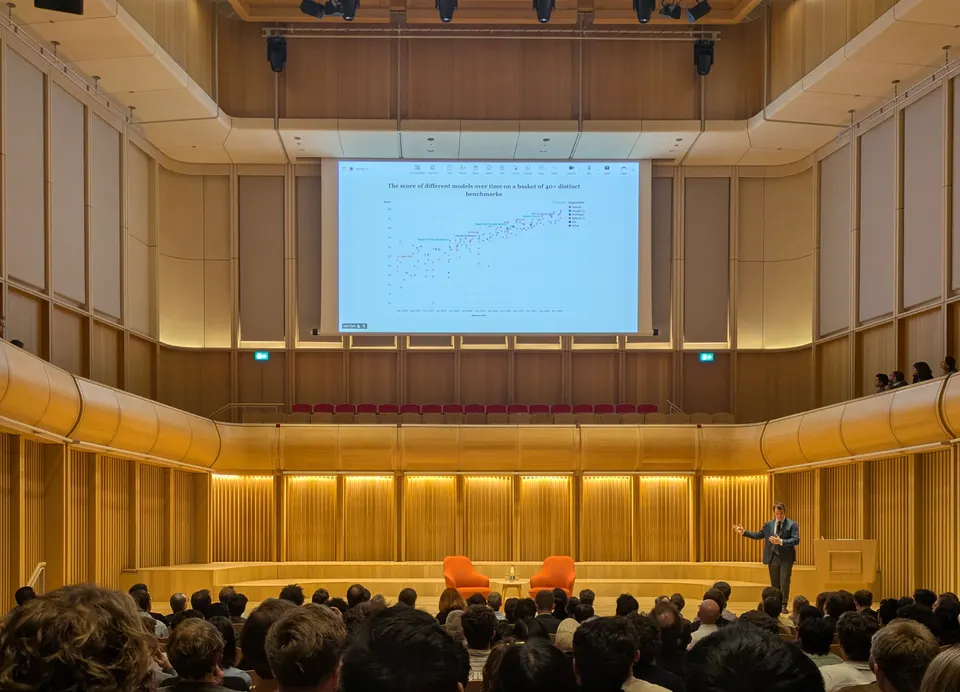
The United States government has reversed an earlier decision, lifting export restrictions on Anthropic's advanced AI models, Fable 5 and Mythos 5. This move, effective June 30, restores global access to these powerful tools after they were abruptly suspended earlier in the month due to national security concerns. Anthropic worked closely with Washington to implement enhanced safeguards, a collaboration that appears to have satisfied U.S. authorities.
The restoration of these AI models is significant for the burgeoning AI industry, potentially easing concerns about the accessibility of cutting-edge technology. For businesses and researchers worldwide, this means renewed access to sophisticated AI capabilities that can drive innovation in fields ranging from drug discovery to complex data analysis. The swift reversal also signals a dynamic approach by the U.S. government to balance national security with its commitment to fostering technological advancement and international collaboration in the AI space.
---
Iran Reasserts Sovereignty Over Strait of Hormuz
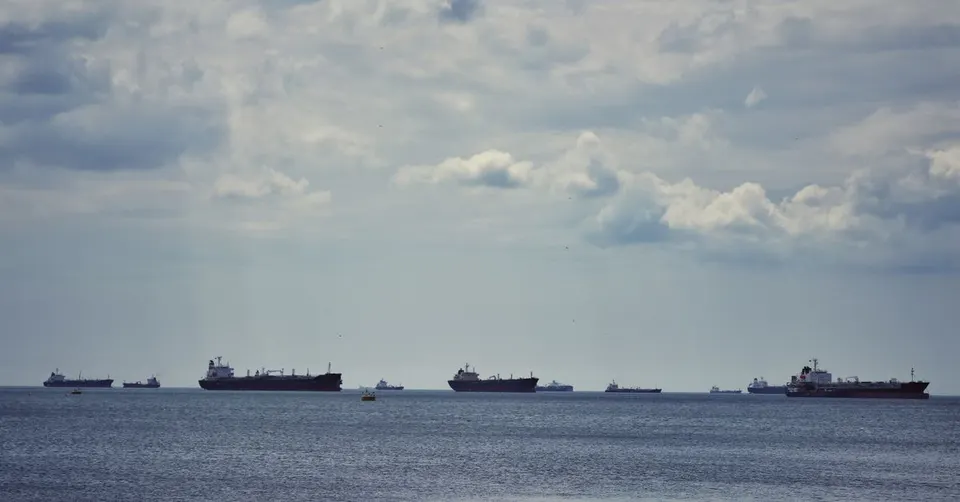
Parliament Speaker Mohammad-Bagher Ghalibaf has unequivocally stated that Iran will not compromise on its rights within the Strait of Hormuz. He emphasized that any transit through this vital waterway is subject to specific agreements, referencing a memorandum of understanding with the United States that grants free transit for a limited 60-day period. This firm stance underscores Iran's commitment to maintaining control over its strategic maritime territory, a position it has consistently held amidst regional tensions.
This declaration carries significant weight in the context of global energy markets, as the Strait of Hormuz is a critical chokepoint for oil and gas shipments. Iran's assertion of its rights serves as a reminder of the potential for disruption and the importance of navigating these waters with careful diplomatic consideration. For regional stability and international trade, adherence to agreed-upon protocols and open communication channels remain paramount to preventing misunderstandings and ensuring the free flow of commerce.
---
Australia Debates Data Center Boom and Copyright Concerns
Australia is at a crossroads regarding a proposed $50 billion data center investment, which has ignited a debate between technological advancement and the protection of creative rights. While the proposal promises significant economic benefits and job creation, creatives are raising alarms about potential copyright infringements. A plan presented to the cabinet reportedly includes special exemptions for AI companies to mine creative content, in exchange for substantial investment and a $350 million fund to compensate artists.
This situation highlights a growing global challenge: how to foster the rapid growth of AI and data infrastructure without undermining the intellectual property of creators. Senator David Pocock has labeled the proposal an "ultimate dirty deal," reflecting a sentiment among artists and copyright holders who fear their work could be exploited without adequate compensation or control. The government faces the difficult task of balancing the allure of technological progress and foreign investment with the fundamental rights of its creative industries.

Watch
US lifts curbs on Anthropic's cutting-edge Fable, Mythos AI models
Reuters
Frequently Asked Questions
Why did the U.S. lift export controls on Anthropic's AI models?
What is Iran's position on transit through the Strait of Hormuz?
What is the main concern regarding Australia's proposed data center investment?
How are Bitcoin ETFs performing according to recent data?
What are the implications of the heatwave on bees mentioned in the news?
Understanding Dual-Use Technology in the Age of AI
In an increasingly interconnected world, where technological advancements rapidly reshape industries and societies, the concept of Dual-Use Technology has become critically important. This term refers to goods, software, and technology that can be used for both peaceful, civilian purposes and for military applications. Historically, examples range from nuclear technology, capable of generating electricity or creating weapons, to certain chemicals used in agriculture that can also be weaponized. The inherent ambiguity of their application presents a significant challenge for international governance and national security.
Today, Artificial Intelligence (AI) stands out as a quintessential dual-use technology. On one hand, AI powers innovations that promise immense societal benefits, such as advanced medical diagnostics, personalized education, climate modeling, and efficient logistics. Companies like Anthropic, Fable, and Mythos, mentioned in the keywords, are at the forefront of developing such transformative AI capabilities. On the other hand, the very same AI algorithms and models can be adapted for military and intelligence purposes, including autonomous weapon systems, advanced surveillance, cyber warfare, and sophisticated disinformation campaigns. This dual nature means that a breakthrough in AI for healthcare could, in theory, also enhance military capabilities, creating a complex ethical and strategic dilemma.
This inherent dual-use potential is precisely why nations are increasingly implementing AI export controls. Governments aim to prevent advanced AI technologies from falling into the hands of adversaries or non-state actors who might misuse them, while simultaneously fostering innovation within their own borders. The debate around data centers in Australia, for instance, touches upon similar concerns about data sovereignty and the potential strategic value of infrastructure that could house and process such powerful dual-use technologies. Navigating these waters requires a delicate balance between promoting technological progress and safeguarding national and global security, a challenge that will define international relations for decades to come.