Lebanon Death Toll Hits 4,278 as Tehran Prepares for Historic Farewell Amid Market Volatility
افزایش تلفات در لبنان به ۴۲۷۸ نفر همزمان با آمادهسازی مصلای تهران؛ نوسان دلار و طلا در بازار داخلی
As Lebanon reports a grim milestone of 4,278 fatalities, Tehran's Grand Mosalla transforms into a hub for a national farewell ceremony. Domestic markets are reacting to the regional heat, with the USD rising 1.2% while Bitcoin endures a record-breaking monthly crash.
At time of publishing
USD
174,600
Toman
Gold 18K
16.62M
Toman / gram
Bitcoin
$58,547
US Dollar
Tether
175,129
Toman
The Human Cost of Escalation: Lebanon's Grim Milestone
The humanitarian crisis in the Levant has reached a staggering new peak. According to the latest reports from the Lebanese Health Ministry, the death toll from ongoing Israeli aggression has now climbed to 4,278 since early March 2026. In just the last 24 hours, 21 new fatalities were recorded, underscoring the relentless nature of the conflict. This surge in violence is not merely a regional tragedy; it is a primary driver of the geopolitical risk premium currently being priced into Middle Eastern markets.
For Iranian observers and investors, these numbers are a barometer of regional stability. As the conflict intensifies, the potential for wider spillover remains the dominant concern in Tehran’s corridors of power. The human cost is mirrored by a growing economic anxiety, as trade routes and regional security frameworks are tested. This tension has directly translated into domestic currency volatility, with the US Dollar moving from 172,550 to 174,600 Toman, a 1.2% increase in a single session as capital seeks the safety of hard currency.

Tehran Prepares: A Nation in Mourning and Transition
In the heart of the capital, the Imam Khomeini Grand Mosalla has been transformed into a massive operational hub. Authorities are working around the clock to finalize preparations for the farewell ceremony of the martyred Leader of the Islamic Revolution, Ayatollah Seyyed Ali Khamenei. With only two days remaining before the event, the logistical scale is unprecedented, reflecting the gravity of the moment for the Islamic Republic’s political and spiritual future.
This period of national mourning carries significant weight for the Iranian economy. Historical precedents suggest that major leadership transitions or state funerals often lead to a temporary pause in routine commerce, followed by a period of policy recalibration. Investors are currently watching for signals of continuity or shift in economic strategy. The Emami gold coin, often used as a hedge during times of domestic uncertainty, rose from 171,500,000 to 174,500,000 Toman (+1.7%), signaling that the public is prioritizing tangible assets as they navigate this historic transition.
Diplomatic Backchannels: Qatar's High-Stakes Mediation
While the regional military situation remains explosive, the diplomatic wheels are turning in Doha. Qatari Prime Minister Sheikh Mohammed bin Abdulrahman al-Thani has reaffirmed Qatar's pivotal role as a mediator between Tehran and Washington. High-level talks involving US envoy Steve Witkoff and Jared Kushner highlight a persistent, albeit quiet, effort to find a diplomatic off-ramp. These discussions are focused on implementing a memorandum of understanding that could potentially de-escalate the broader Middle East conflict.
For the average Iranian reader, the success of these backchannels is the difference between continued economic isolation and a path toward sanctions relief. Recent statements from Iran's chief negotiator revealed the severity of the past blockade, noting that there were periods when not a single barrel of oil could be exported. Any progress in Doha could ease the pressure on the Rial, which remains sensitive to every headline regarding the 'Trump-Tehran' diplomatic track. If a deal stabilizes, we could see a reversal in the current upward trend of the USD/IRR pair.
Market Turmoil: Bitcoin's Brutal June and Gold's Local Dip
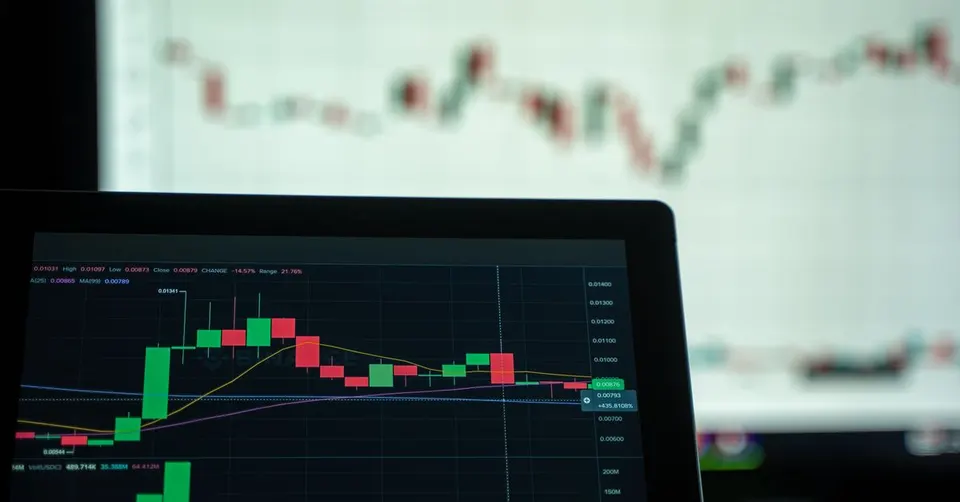
Global financial markets are ending the month in a state of shock, particularly in the crypto sector. Bitcoin (BTC) is currently trading at $58,547, following a devastating June where it shed 20% of its value. This crash has been exacerbated by record outflows from U.S. spot Bitcoin ETFs, which saw $4.5 billion exit the market in June alone. The monthly charts look increasingly bearish, testing long-term support levels that have investors questioning the 'institutional adoption' narrative that dominated earlier this year.
In contrast to the rising dollar, the local price of 18k gold in Iran saw a slight correction, moving from 16,841,959 to 16,624,036 Toman per gram (-1.3%). This divergence between gold and the dollar suggests a complex internal market dynamic where some traders are liquidating gold positions to cover margin calls or to pivot into the surging greenback. Meanwhile, in Europe, Ireland has officially taken the presidency of the EU, a move that will likely lead to fresh discussions on Russia sanctions and trade policies that indirectly affect Iran’s global economic standing.
Frequently Asked Questions
Why is the USD rising in Iran while gold is falling?
What is the significance of the Qatari mediation with Jared Kushner?
Why did Bitcoin have its worst June on record?
Geopolitical Risk and its Ripple Effects on Emerging Markets
The news headline, with its references to a significant event in Tehran and the broader "Middle East geopolitical risk," highlights a crucial concept in international economics: Geopolitical Risk. This term describes the potential for political decisions, events, or instability in a country or region to have profound economic and financial consequences, both locally and globally. Such risks can stem from conflicts, political transitions, policy shifts, or even major non-political events that destabilize governance and societal order. When a key regional player like Iran experiences a major political event, the ripple effects can be felt across various markets.
One of the most immediate impacts of heightened geopolitical risk, especially in emerging economies, is on currency stability. Investors, both foreign and domestic, tend to seek "safe haven" assets during times of uncertainty, moving capital out of perceived risky markets. This capital flight puts downward pressure on the local currency, leading to depreciation – as seen in the mention of the "USD IRR price." Furthermore, the uncertainty can trigger increased volatility across financial assets, from traditional stocks and bonds to newer digital assets like "Emami coin" or even global cryptocurrencies like Bitcoin, particularly if regional instability affects investor sentiment broadly.
Emerging markets are often more susceptible to geopolitical risks due to several factors: they may have less developed financial systems, higher reliance on foreign direct investment, and sometimes less stable political or institutional frameworks compared to developed economies. A significant political transition or regional tension can erode investor confidence, deter new investments, and disrupt trade, ultimately impacting economic growth and stability. Understanding geopolitical risk is thus essential for anyone trying to decipher market movements in regions prone to political flux.