
Iran Begins Grand Farewell for Late Leader as Bitcoin Reclaims $61k Amid US Market Lull
آغاز مراسم وداع باشکوه با رهبر انقلاب در تهران؛ بازگشت بیتکوین به کانال ۶۱ هزار دلار
Tehran enters a period of public mourning with funeral ceremonies at the Grand Mosalla, while global markets see Bitcoin surge past $61,000 following significant ETF inflows. Meanwhile, Canada moves to diversify its oil exports away from the US amid ongoing trade tensions.
At time of publishing
USD
175,050
Toman
Gold 18K
17.73M
Toman / gram
Bitcoin
$61,658
US Dollar
Tether
176,172
Toman
Iran Commences National Mourning and Funeral Ceremonies
On Friday morning, July 3, 2026, the first stage of funeral ceremonies for the late Leader of the Islamic Revolution began at Tehran’s Grand Mosalla. The body is set to lie in state as thousands of citizens and high-ranking foreign dignitaries arrive to pay their respects. President Masoud Pezeshkian has formally invited Iranians from all walks of life to participate in the multi-day event, emphasizing national unity during this transition. The atmosphere in the capital is one of somber reflection, with black banners lining the streets and a significant security presence ensuring the orderly flow of the massive crowds expected over the weekend.
From a market perspective, the domestic currency has remained remarkably stable despite the gravity of the political situation. The US Dollar (USD) is currently trading at 175,050 Toman, showing 0.0% change over the last 24 hours. This stability suggests that the Central Bank and market participants had already priced in the continuity of the state’s administrative functions. However, the mourning period often leads to a temporary lull in retail trade, as many businesses close to observe the national rites. Traders are watching for any policy signals that might emerge from the high-level meetings between Iranian officials and visiting regional leaders during the funeral.

In a related diplomatic development, Parliament Speaker Mohammad Bagher Ghalibaf met with Khalil Hamdan, a senior member of the Lebanese Amal Movement, in Tehran. These meetings underscore Iran's commitment to its regional alliances even during a period of leadership transition. For the average Iranian reader, these events reinforce the message of institutional stability, which is critical for maintaining the current exchange rate and preventing panic-buying of hard currency or gold during the transition period.
Bitcoin Rebounds as Institutional Inflows Return
Bitcoin has successfully reclaimed the $61,000 level, trading at $61,658 at the time of this report. This recovery follows a significant turning point in institutional sentiment, as spot Bitcoin ETFs recorded $221 million in net inflows, ending a grueling 10-day streak of outflows. The surge was largely driven by funds other than BlackRock’s IBIT, indicating a broadening of the investor base. This shift comes on the heels of softer-than-expected US jobs data, which has led many analysts to believe the Federal Reserve may finally be forced to consider interest rate cuts later this year to prevent an economic slowdown.
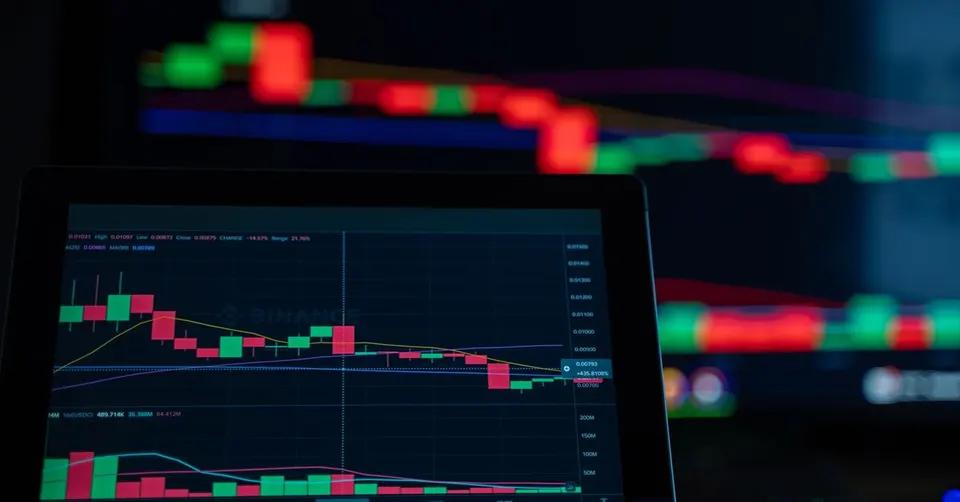
The market reaction was swift, with bearish traders suffering approximately $281 million in liquidations over the past 24 hours. This "short squeeze" accelerated the upward momentum, pushing Bitcoin to its strongest level in nearly two weeks. While Bitcoin rose, the broader tech sector also saw a relief rally, as the intense focus on AI-related stocks began to spill back into the digital asset space. For investors, this move suggests that the 'summer doldrums' for crypto might be ending, though volatility remains high as the market digests upcoming US economic indicators.
For the Iranian crypto community, the rise in Bitcoin prices coincides with a stable Tether (USDT) price of 176,172 Toman. While the global price of BTC is rising, the lack of volatility in the Rial means that local gains are purely a reflection of the asset's international performance. This makes crypto an increasingly attractive hedge for those looking to preserve capital without the immediate risk of local currency devaluation, provided they can navigate the inherent volatility of the tokens themselves.
Canada’s Strategic Pivot: Diversifying Oil Away from the US
In a major geopolitical and economic move, Canada’s Mark Carney has secured a multibillion-dollar deal for a new pipeline project aimed at expanding oil exports beyond the United States. The project intends to transport oil from Alberta to the Pacific Coast, specifically targeting Asian markets. This decision is a direct response to the ongoing trade uncertainties and the potential for increased tariffs under a possible second Trump administration. By building this infrastructure, Canada aims to reduce its overwhelming economic dependence on its southern neighbor, which currently consumes the vast majority of its energy exports.

This move has significant implications for global energy markets and the strategic calculations of the G7 nations. As Canada seeks to become a primary supplier to Asia, it enters direct competition with Middle Eastern and Russian energy flows. For Iran and other regional players, this diversification by a major Western producer could shift long-term price dynamics and tanker route priorities. It signals a world where even the closest of allies are beginning to build 'firewalls' against US trade volatility, prioritizing national economic security over traditional bilateral dependencies.
From a broader perspective, the Canadian pipeline project highlights the 'de-risking' trend currently dominating global trade. Whether it is tech companies moving manufacturing out of China or energy producers bypassing the US, the goal is the same: resilience. As these new trade corridors open, the influence of the US dollar in energy settlement may face gradual pressure, although it remains the dominant medium for now. For the Iranian economy, which has long been forced to seek alternative trade routes due to sanctions, these global shifts toward multi-polarity offer a complex but potentially opportunistic landscape.
Frequently Asked Questions
Why is the US jobs data affecting Bitcoin's price?
What is the significance of the $221 million ETF inflow?
How is the Iranian Rial reacting to the national mourning period?
Understanding Bitcoin Exchange‑Traded Funds (ETFs) and Their Influence on Price
An Exchange‑Traded Fund (ETF) is a pooled investment vehicle that trades on a stock exchange like a single stock, but holds a basket of assets behind the scenes. A Bitcoin ETF does exactly that: it gives investors exposure to the price movements of Bitcoin without having to buy, store, or manage the cryptocurrency directly. The fund either holds actual bitcoins (a “physically‑backed” ETF) or uses futures contracts and other derivatives to mimic Bitcoin’s price (a “futures‑based” ETF).
The creation‑and‑redemption mechanism of ETFs ties the fund’s market price closely to the net asset value (NAV) of its underlying holdings. When demand for the ETF shares rises, authorized participants can create new shares by delivering the requisite amount of Bitcoin (or futures contracts) to the fund, which pushes the ETF price up toward the spot price. Conversely, heavy selling prompts redemption, pulling Bitcoin out of the fund and exerting downward pressure on the spot market. This feedback loop means large inflows or outflows of a Bitcoin ETF can materially affect Bitcoin’s supply‑demand balance and, consequently, its price.
Regulatory approval is the key gatekeeper for Bitcoin ETFs, especially in the United States where the Securities and Exchange Commission (SEC) has been cautious. After years of rejections, the SEC finally green‑lighted the first spot Bitcoin ETF in early 2024, followed by several futures‑based products. The approval sparked a wave of institutional capital, as fund managers could now allocate client money to a regulated vehicle. Weekly inflows into these ETFs have been tracked as a leading indicator of market sentiment; when inflows surge, Bitcoin often rallies, and when they dry up, price corrections can follow.
The July 2026 rally that pushed Bitcoin back above $61,000 illustrates this dynamic. Data from Bloomberg showed that ETF inflows jumped by more than $10 billion in the week preceding the price spike, outpacing the modest trading volume in the broader U.S. equity market. Analysts attributed the surge to both renewed optimism about the SEC’s willingness to approve additional spot products and the perception that Bitcoin could serve as a hedge amid geopolitical tensions affecting oil markets and the Iranian rial. Understanding how Bitcoin ETFs operate therefore equips investors with a clearer view of why the cryptocurrency’s price can move sharply in response to regulatory news and fund flows.