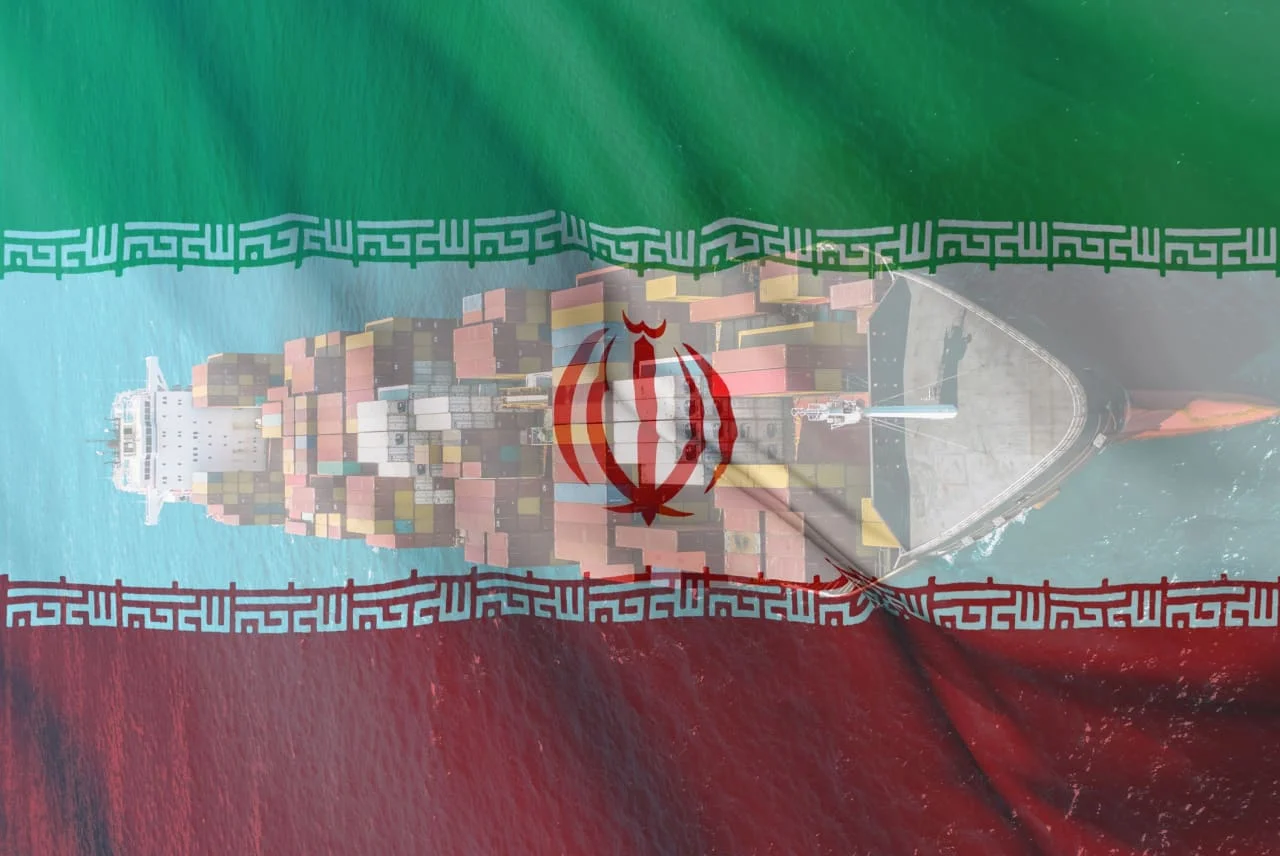
Oil Prices Revert to Prewar Levels: Market Implications Unfold
قیمت نفت به سطوح پیش از جنگ بازگشت: پیامدهای بازار
Oil prices have returned to prewar levels, sparking discussions on market stability and future trends. Meanwhile, Tesla's stock faces a downturn despite successful delivery figures, and Iranian geopolitical tensions continue to influence regional dynamics.
At time of publishing
USD
175,050
Toman
Gold 18K
17.66M
Toman / gram
Bitcoin
$61,784
US Dollar
Tether
176,344
Toman
Oil Prices Back to Prewar Levels: What It Means
After months of volatility, oil prices have finally returned to prewar levels, a development that has caught the attention of market analysts and policymakers alike. This price adjustment indicates a potential normalization of the market, but many experts warn that the situation is far from stable. The geopolitical tensions that initially caused the spike in oil prices, such as conflicts in the Middle East, have not fully resolved, and the market remains sensitive to any disruptions in oil supply or transportation routes.
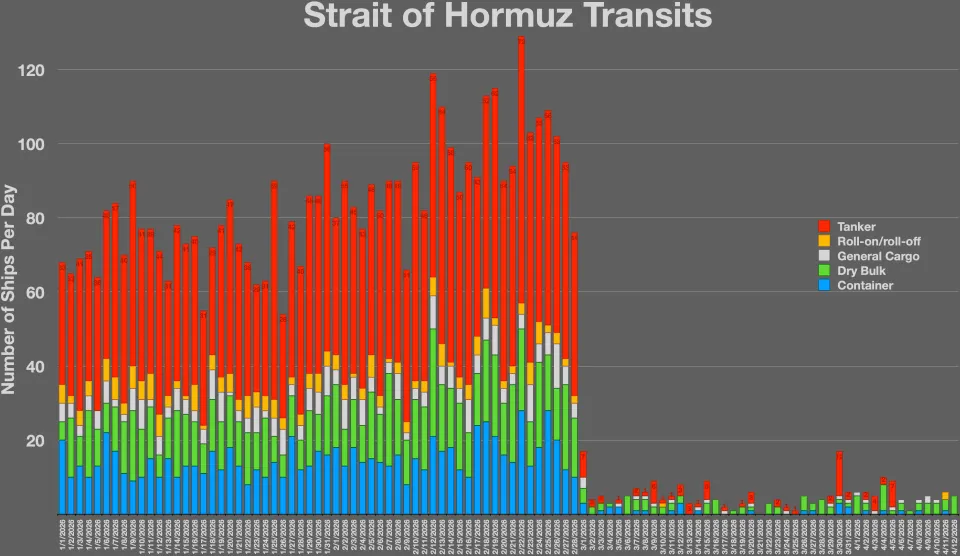
The return to prewar pricing does not necessarily guarantee market stability. Analysts are particularly concerned about the Strait of Hormuz, a vital oil transit chokepoint, where Iran has recently asserted its control over shipping routes. This geopolitical maneuvering could lead to further volatility in oil prices, affecting global markets and economies. For commodity traders and investors, this means staying vigilant about potential risks that could arise from regional conflicts and international diplomatic relations.
Tesla's Stock Slump Despite Record Deliveries
Tesla has reported a remarkable quarter, delivering 480,126 electric vehicles, surpassing Wall Street expectations. Despite these impressive figures, Tesla's stock is experiencing a significant downturn, marking its worst trading day in a year. This paradox highlights the complexity of market reactions, where positive operational results do not always translate to stock market gains.
Market analysts suggest that the stock's decline is partly due to investor concerns about Tesla's future profitability and competitive pressures from other automakers entering the electric vehicle market. Additionally, macroeconomic factors, such as interest rate changes and broader stock market trends, may be influencing investor sentiment. For stakeholders, this situation underscores the importance of looking beyond delivery numbers to understand the broader financial and strategic challenges facing the company.
Geopolitical Tensions in Iran Impact Regional Dynamics
In Iran, the funeral of Ayatollah Seyyed Ali Khamenei has drawn significant international attention, with figures like Italian anti-imperialist activists traveling to Tehran to express solidarity. This event underscores the complex geopolitical landscape in the region, as Iran continues to navigate its role on the global stage amidst economic sanctions and diplomatic negotiations.
The geopolitical tensions surrounding Iran have significant implications for regional stability and economic activities. Iran's strategic control over the Strait of Hormuz, a critical waterway for global oil transport, adds another layer of complexity to the situation. For countries reliant on oil imports and exports, any escalation in tensions could disrupt trade and impact global oil prices, further influencing economic policies and international relations.

Gold and USD Price Movements
In the currency markets, the USD/IRR exchange rate saw a slight increase, moving from 173,850 to 175,050, marking a 0.7% rise. Meanwhile, gold prices experienced a more substantial shift, with the price of 18k gold per gram increasing from 17,203,010 to 17,660,095 tomans, a 2.7% rise. The Emami coin also saw a 1.4% increase, reflecting heightened demand for stable assets amid market uncertainties.
These movements suggest a growing investor preference for gold as a hedge against inflation and currency fluctuations. The rise in USD/IRR indicates ongoing pressure on the Iranian rial, likely influenced by geopolitical risks and economic sanctions. For consumers and investors, these trends highlight the need to closely monitor currency and commodity markets to make informed financial decisions.
Outlook for Global Markets
As the global economy navigates these complex scenarios, market participants remain cautious about the potential impacts of geopolitical events and economic policies. The interplay between oil prices, currency fluctuations, and stock market performance will continue to shape investment strategies and economic forecasts.
For businesses and investors, understanding the broader market trends and geopolitical factors is crucial for navigating uncertainties and identifying opportunities in this rapidly changing landscape. The coming weeks will likely see continued volatility and strategic adjustments as markets react to ongoing developments.
Frequently Asked Questions
Why have oil prices returned to prewar levels?
What factors are influencing Tesla's stock performance?
How do geopolitical tensions in Iran affect global markets?
The Petrodollar System: How Oil Prices Shape Global Finance
The petrodollar system is the arrangement that emerged in the early 1970s when the United States struck deals with major oil‑producing nations to price all crude oil sales in U.S. dollars. By requiring oil‑exporting countries to receive payment in dollars, the United States created a steady, global demand for its currency, reinforcing the dollar’s status as the world’s primary reserve and transaction medium.
When oil prices rise or fall, the impact ripples far beyond the energy sector. Higher oil prices increase the amount of dollars that oil exporters must convert into other assets, often buying U.S. Treasury securities or investing in commodities like gold. Conversely, a drop in oil prices can free up dollars for other uses, influencing exchange rates such as the USD/IRR (U.S. dollar to Iranian rial) and affecting the price of gold, which investors view as a hedge against currency volatility.
Geopolitical tensions—like those involving Iran—can amplify the petrodollar’s effects. Sanctions or conflict can disrupt oil flows, prompting market participants to reassess risk premiums. This can cause sharp movements in oil futures, spur speculative trading in related equities (e.g., Tesla, whose stock sometimes reacts to broader energy price trends), and trigger capital flight into safe‑haven assets like gold.
Understanding the petrodollar system helps explain why seemingly unrelated markets—oil, equities, foreign exchange, and precious metals—often move in concert. It also highlights the strategic leverage that the United States gains by anchoring global trade to its currency, a factor that continues to shape international economics and diplomatic negotiations.