Global Tributes in Tehran and Oil Slump: Hormuz Reopening Cools Energy Markets
حضور هیئتهای بینالمللی در تهران همزمان با ریزش قیمت نفت در پی بازگشایی هرمز
World leaders and delegations gather in Tehran for the final tributes to the late leader, while global oil prices face a fourth weekly loss as the Strait of Hormuz reopens. Despite a stable USD/IRR, domestic gold prices have climbed 1.4% following international trends.
At time of publishing
USD
175,050
Toman
Gold 18K
17.90M
Toman / gram
Bitcoin
$61,662
US Dollar
Tether
176,144
Toman
The Grand Farewell: Global Delegations Converge on Tehran
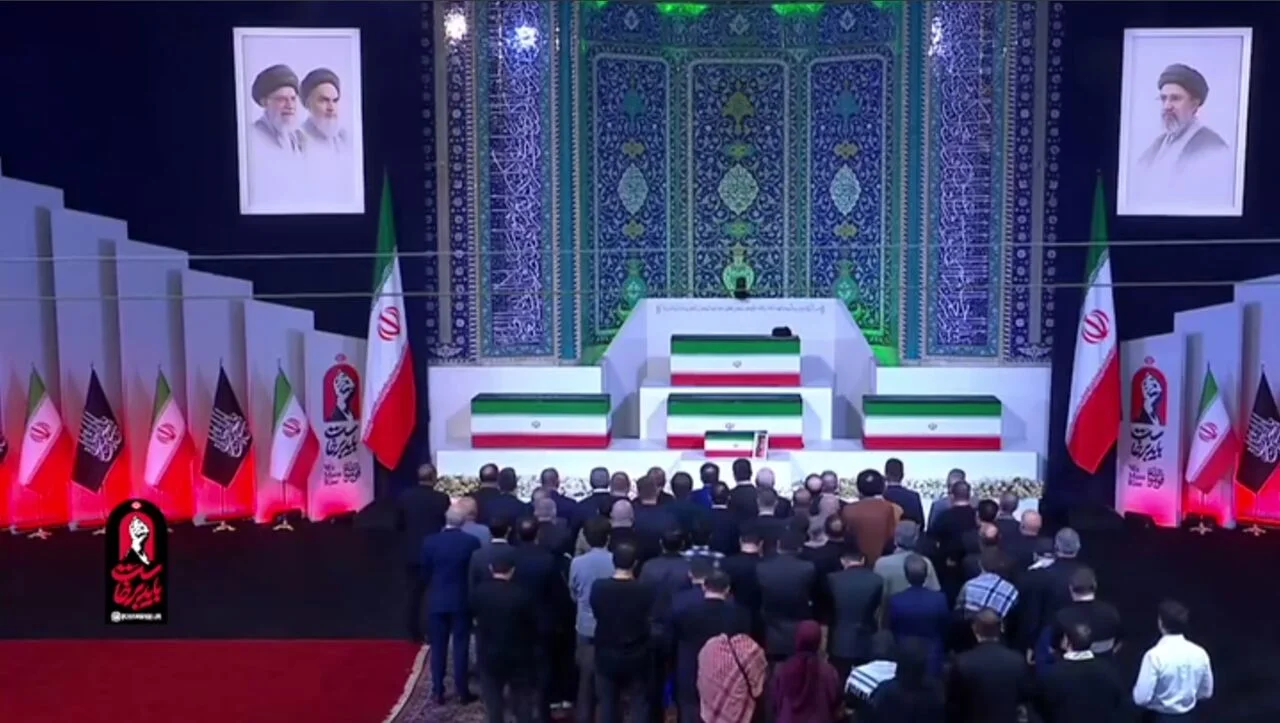
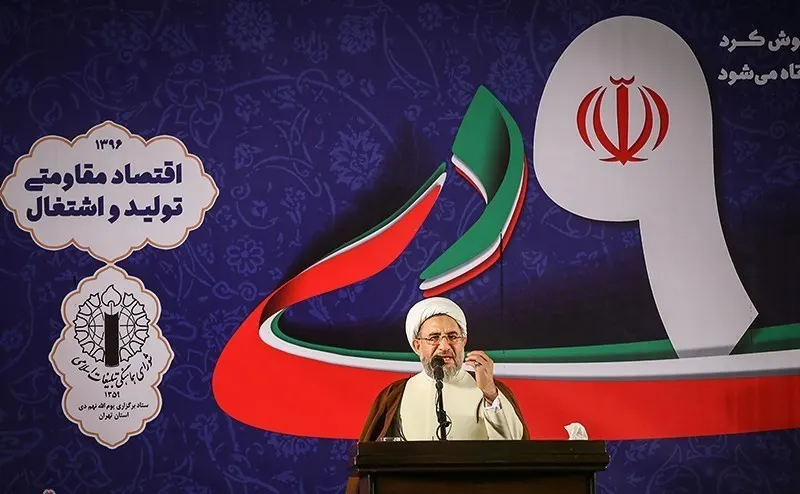
As of 14:00 Tehran time on Friday, July 3, 2026, the Grand Mosalla of Tehran has become the epicenter of regional diplomacy. High-ranking political and cultural figures from across the globe have gathered to pay their final respects to the late leader of the Islamic Revolution, Ayatollah Seyyed Ali Khamenei. Notable among the attendees is a significant delegation from Afghanistan led by Ahmad Massoud, alongside political representatives from Turkey and Lebanon’s Amal Movement. This massive gathering follows the tragic events of February 28, 2026, and serves as a powerful signal of regional solidarity during a period of profound transition for the Islamic Republic.
The presence of these delegations is not merely symbolic; it represents a reaffirmation of strategic alliances. For Iranian readers, this influx of foreign dignitaries suggests a continued commitment to regional cooperation despite the external pressures that have defined the early months of 2026. Speaker Mohammad Bagher Ghalibaf emphasized that the security and economic transit between Tehran and Baghdad remains a cornerstone for regional stability. As the funeral processions conclude, the focus of the market remains on how these diplomatic ties will translate into economic resilience and trade continuity in the post-mourning period.
Oil Markets Retreat as Hormuz Flows Stabilize
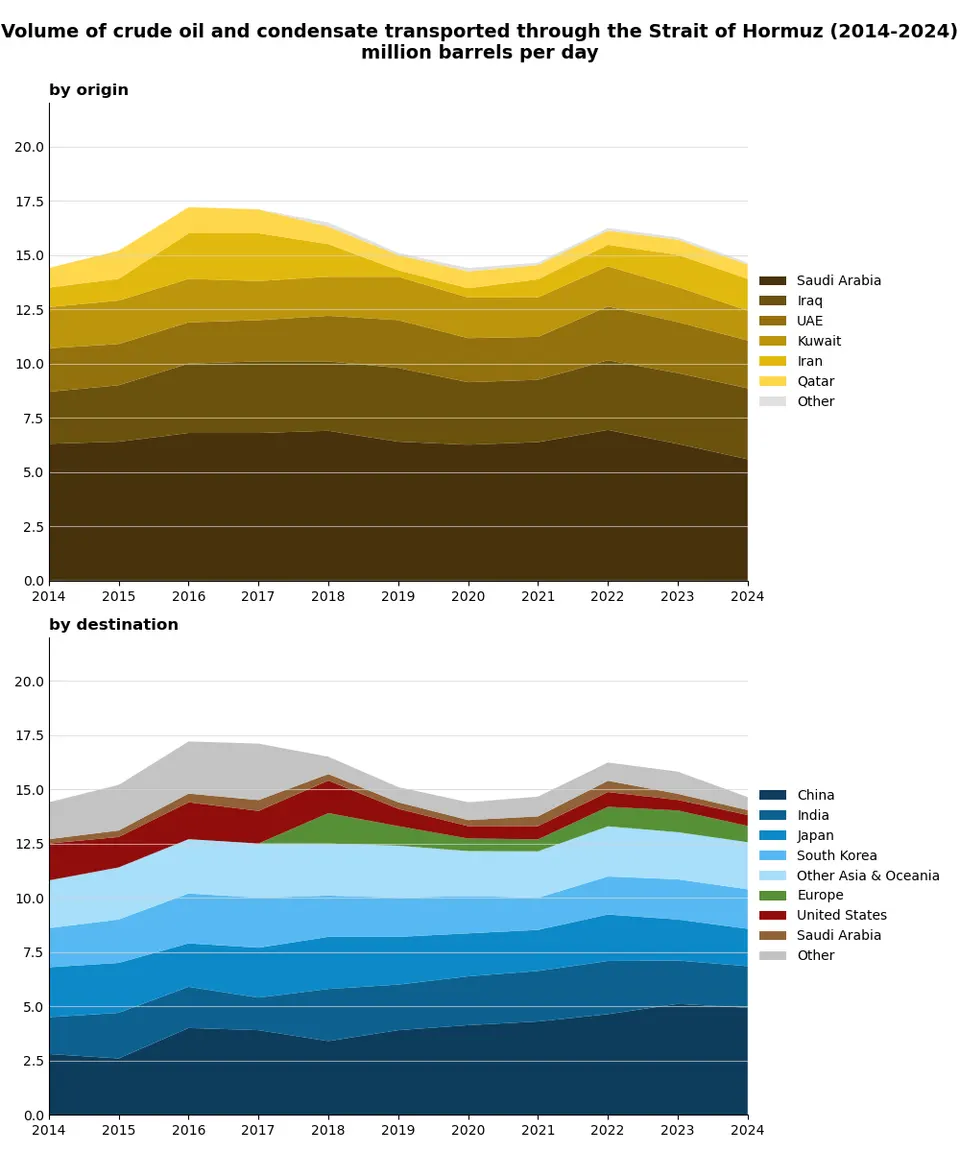
In the global energy sector, oil is on track for its fourth consecutive weekly loss. This downward trend is primarily driven by the tentative reopening of the Strait of Hormuz, which has allowed crude flows to return to more predictable levels. In early Friday trading, Brent crude hovered in the low $70s per barrel, while WTI Crude traded below the $70 mark. This is a significant shift from the volatility seen earlier in the year, as the market begins to price in a U.S.-Iran memorandum aimed at negotiating a more permanent de-escalation. The return of supply from one of the world's most critical maritime chokepoints has effectively deflated the risk premium that had kept prices elevated.
For the Iranian economy, the drop in oil prices presents a dual-edged sword. While lower global energy costs could dampen international inflation, the reduction in crude revenue may tighten the national budget. However, the stability in the foreign exchange market suggests that the central bank has anticipated these shifts. The USD/IRR rate remained unchanged today at 175,050 Toman, indicating that the market has already factored in the reopening of the Strait. Investors are now looking toward the next phase of negotiations to see if a formal deal will provide a more sustainable floor for the Rial and the broader economy.
Gold’s Resilient Climb Amid Geopolitical Friction
While the currency market remained flat, gold has shown remarkable strength. Domestic 18k gold rose from 17,660,095 to 17,904,797 Toman, marking a 1.4% increase over the last 24 hours. This move mirrors the international gold price, which has reached a staggering $4,179.00 per ounce. The divergence between a stable Dollar and rising Gold suggests that Iranian investors are seeking a hedge against broader geopolitical uncertainties. Even as the Strait of Hormuz reopens, tensions remain high elsewhere, notably with Israel's recent approval of 13 new settlements in the West Bank, a move that has drawn sharp criticism from Palestinian officials and regional observers.

Furthermore, the historical weight of the day adds to the national sentiment. Today marks the anniversary of the 1988 downing of Iran Air Flight 655 by a US warship, an event Foreign Ministry spokesperson Esmaeil Baqaei described as an unforgettable crime. This commemoration, occurring as the US celebrates its 250th anniversary, highlights the deep-seated ideological gaps that persist. For the savvy investor, the combination of historical grievances, regional settlement expansions, and the high global price of gold creates a complex environment where physical assets remain the preferred store of value over liquid currency in the short term.
Frequently Asked Questions
Why is the price of gold in Iran rising while the US Dollar remains stable?
How has the reopening of the Strait of Hormuz affected global oil prices?
Which international figures attended the funeral ceremony in Tehran today?
The Strategic Importance of the Strait of Hormuz for Global Energy
The Strait of Hormuz stands as the world's most critical oil transit chokepoint, a narrow waterway connecting the Persian Gulf to the open waters of the Arabian Sea and beyond. Geographically, it is bordered by Iran to the north and Oman's Musandam Governorate to the south. Its strategic significance stems from the immense volume of crude oil and refined petroleum products that must pass through it daily to reach global markets. Any disruption or threat to this passage has immediate and far-reaching consequences for the world economy.
Approximately one-fifth of the world's total petroleum liquids consumption, and a significant portion of global liquefied natural gas (LNG) trade, transits the Strait of Hormuz. Major oil-producing nations like Saudi Arabia, Iran, UAE, Kuwait, and Iraq rely heavily on this strait for their exports. This makes the Strait a linchpin for global energy security; its unimpeded flow is essential for stable energy prices and economic activity worldwide. The sheer volume of traffic, combined with its narrowness at certain points, makes it vulnerable to geopolitical tensions and potential blockades.
Understanding the Strait's role helps explain why headlines about its status, such as its "reopening" or threats of closure, directly impact energy markets. When the Strait is perceived as secure and open, it assures a steady supply of oil, which can contribute to lower oil prices and "cool energy markets," as suggested by your headline. Conversely, any hint of instability or potential closure can trigger sharp price increases, reflecting fears of supply shortages. This direct correlation between geopolitical stability in the region and global oil prices underscores the Strait of Hormuz's enduring strategic importance, making it a focal point for international diplomacy and naval presence.