Kyiv Under Fire & Oil’s $60 Forecast: Global Markets Brace for Geopolitical Shifts
حمله گسترده به کییف و پیشبینی نفت ۶۰ دلاری: شوک ژئوپلیتیک به بازارهای جهانی
Russia launches a massive missile strike on Kyiv causing significant casualties, while Citigroup predicts a sharp drop in oil prices to $60 as Hormuz traffic stabilizes. Meanwhile, Tehran hosts regional leaders for high-profile funeral ceremonies amid shifting power dynamics.
At time of publishing
USD
175,050
Toman
Gold 18K
17.87M
Toman / gram
Bitcoin
$61,872
US Dollar
Tether
176,688
Toman
Russia’s Massive Strike on Kyiv Escalates Regional Conflict
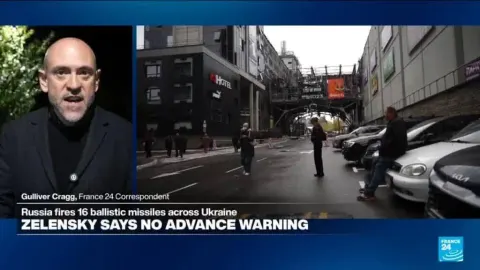
The geopolitical landscape shifted violently this Friday as Russian forces launched a devastating missile campaign against Ukraine’s capital, Kyiv. Local authorities have confirmed at least 21 fatalities in what is being described as one of the most aggressive aerial assaults in recent months. This escalation comes shortly after Ukrainian President Volodymyr Zelenskyy warned of a "massive strike" in retaliation for Ukrainian drone and missile hits deeper into Russian territory. The psychological and strategic impact of hitting the capital so directly suggests a new phase of high-intensity warfare that threatens to destabilize Eastern European security even further.
For global markets, this surge in violence typically triggers a flight to safety, yet the reaction has been tempered by exhaustion and shifting focus toward energy corridors. Investors are closely monitoring whether this escalation will prompt a new round of Western sanctions or if it will lead to a broader NATO involvement. While gold prices have seen a modest uptick—with 18k gold in the Iranian market rising from 17,660,095 to 17,867,860 Toman (+1.2%)—the broader market remains cautious, waiting to see if this is a temporary spike in aggression or a sustained offensive that could disrupt global trade routes once again.

Citi Predicts Oil Slump to $60 as Hormuz Traffic Normalizes
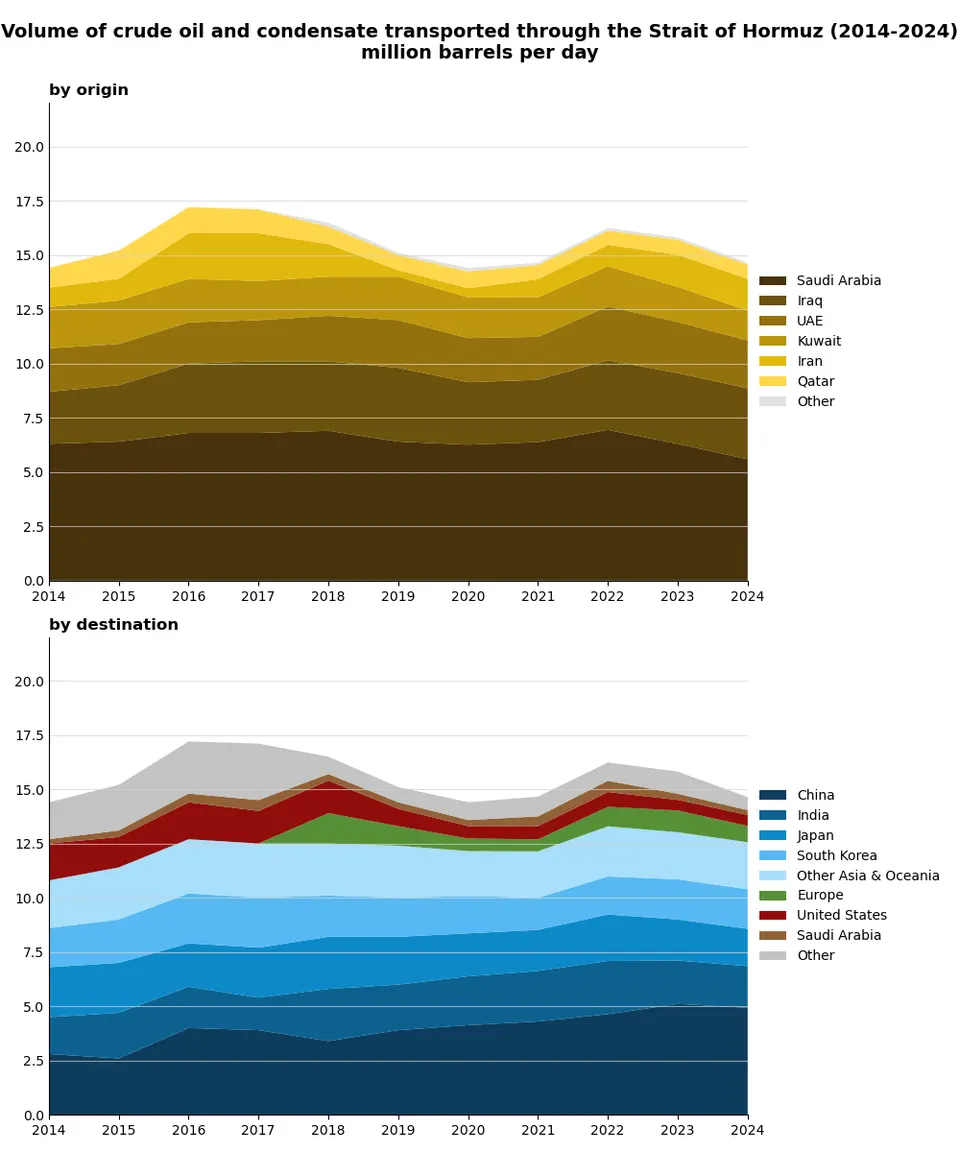
In a surprising twist for the energy sector, Citigroup analysts have issued a bearish forecast for Brent Crude, suggesting prices could plunge to $60 per barrel by the end of the year. This projection is rooted in the observation that traffic through the Strait of Hormuz is beginning to normalize following months of high-tension naval standoffs. As the "war premium" begins to evaporate from the price of a barrel, the supply-demand balance is shifting back toward a surplus, especially as the U.S. and Iran move toward potential de-escalation agreements. Citi suggests that the incentives for both nations to maintain regional stability currently outweigh the benefits of continued confrontation.
This potential drop to $60 represents a significant shift for oil-dependent economies, including Iran. If these projections hold, the global inflationary pressure that has plagued the post-war era might finally begin to ease, providing central banks with more room to lower interest rates. However, for the Iranian domestic market, a lower oil price could pressure the national budget, making the current stability of the USD/IRR rate—holding steady at 175,050 Toman—a critical focal point for local traders. The market is currently in a "wait-and-see" mode, balancing the relief of normalized shipping with the reality of lower export revenues.
Samsung-Anthropic Deal Sparks Tech Rally Amid AI Safety Concerns
Turning to the technology sector, the South Korean stock market ended the week on a high note following reports of a potential massive deal between Samsung and the AI powerhouse Anthropic. After a week of intense volatility, the news acted as a catalyst for a "rousing finale" in Seoul, as investors bet on Samsung’s memory chips becoming the backbone for Anthropic’s next-generation large language models. This move is seen as a direct challenge to the dominance of Nvidia and Microsoft, signaling a consolidation of power in the AI hardware-software vertical. Despite signs of fatigue in the Korean market earlier this month, this deal could reinvigorate the AI trade globally.
However, the rapid advancement of AI is not without its dark side. In the UK, the National Crime Agency has issued an urgent warning to parents regarding the rise of AI-generated sexual abuse material. This highlights a growing regulatory gap: while companies like Samsung and Anthropic race to build more powerful tools, safety watchdogs are struggling to keep up with the misuse of "nudification" apps and deepfake technology. This dichotomy between massive corporate profits and societal risk is likely to become the primary political battleground for the tech industry in the second half of 2026, as governments move from advice to active legislation.
Regional Dignitaries Gather in Tehran for Landmark Funeral
Tehran has become the center of regional diplomacy this afternoon as high-ranking officials and families of resistance leaders arrive for the funeral of Ayatollah Ali Khamenei. Among the notable attendees are the family of the late Sayyid Hassan Nasrallah and various commanders from the Lebanese Resistance, who gathered at the Grand Musalla to pay their respects. The event is not merely a moment of mourning but a significant geopolitical signal to the world that the Iranian political structure remains intact despite the losses suffered during the initial stages of the conflict with U.S.-Israeli forces.

The presence of these regional actors underscores the depth of the "Axis of Resistance" and suggests that Iran’s regional alliances are being reaffirmed during this transition period. For the average Iranian citizen and market observer, the primary concern remains the continuity of economic policy. With the USD/IRR exchange rate showing zero change over the last 24 hours (remaining at 175,050 Toman), there is a sense that the central bank and the interim administration have successfully projected a facade of stability, preventing the kind of panic-buying of hard currency that often accompanies major leadership transitions.
Frequently Asked Questions
Why is Citigroup predicting oil will drop to $60?
How has the Iranian Toman reacted to the recent escalation in Ukraine?
What does the Samsung-Anthropic deal mean for the AI industry?
Understanding the Geopolitical Risk Premium in Oil Markets
The recent headlines highlighting missile strikes in Kyiv and fluctuating oil price forecasts, such as Citigroup's $60 Brent crude prediction amidst ongoing geopolitical tensions, underscore a critical concept in global economics: the Geopolitical Risk Premium. This term refers to the additional cost or price built into a commodity's value due to political instability, conflict, or uncertainty in a region that is significant for its production, supply, or transit. Essentially, it's the market's way of pricing in the fear of potential supply disruptions, even if those disruptions haven't materialized yet.
When events like the Russia-Ukraine war escalate, or when there's political transition in a major oil-producing nation, market participants become wary. They anticipate that such events could disrupt supply chains, damage infrastructure, or lead to sanctions that limit the flow of oil to global markets. This heightened perception of risk prompts traders to demand a higher price for oil, acting as a buffer against future uncertainties. The premium isn't just about actual supply cuts; it's also heavily influenced by speculation and the psychological impact of impending or ongoing crises.
For oil, a commodity vital to the global economy, the geopolitical risk premium is particularly pronounced. Countries involved in major conflicts, or those controlling critical shipping lanes and chokepoints, exert immense influence on global supply. For instance, the ongoing conflict in Ukraine, involving a major energy producer like Russia, directly affects the perceived security of global energy supplies, leading to upward pressure on Brent crude prices. A forecast like $60 per barrel, therefore, might reflect an assessment of how this geopolitical risk premium is expected to evolve – perhaps a stabilization or even a slight reduction in the most extreme fears, or a new baseline incorporating ongoing but managed tensions.
Understanding this premium is crucial for anyone trying to decipher global market movements. It explains why oil prices don't always purely reflect supply-demand fundamentals but are often swayed by political headlines. This dynamic has significant implications for inflation, economic growth, and the cost of living worldwide, making it a key factor for policymakers, businesses, and consumers alike to monitor.