Iran Demands Accountability for Sudanese Militia Backers Amid Regional Tensions
ایران خواستار پاسخگویی حامیان شبهنظامیان سودانی در میان تنشهای منطقهای شد
Iran has called for international accountability for foreign supporters of Sudan's militias, highlighting regional instability. Meanwhile, India boosts oil imports, and Tehran's relations with Iraq deepen.
At time of publishing
USD
175,050
Toman
Gold 18K
17.83M
Toman / gram
Bitcoin
$62,013
US Dollar
Tether
176,591
Toman
Iran Calls for Accountability in Sudanese Conflict
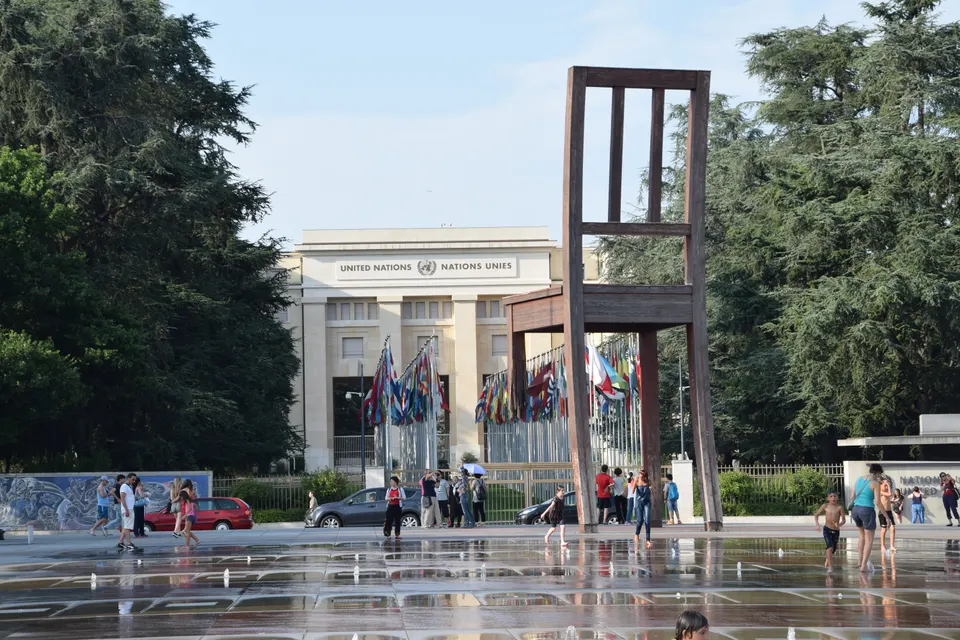
Iran has taken a strong stance against the foreign backing of Sudan's Rapid Support Forces (RSF), calling for accountability for those providing arms, financial, and military support. This statement was delivered by Iran’s ambassador to the UN in Geneva, reflecting Tehran's increasing concern over the impact of external influences in regional conflicts. The call for accountability aims to address the crimes committed against civilians in Sudan, which have resulted in significant human suffering and displacement.
This development highlights Iran's broader strategy to position itself as a regional stabilizer, seeking to counteract the influence of rival forces. Iran's call could also be seen as a strategic move to garner international support and to pressure those nations indirectly involved in Sudan's internal conflicts. This stance may influence Iran's diplomatic relations, especially with countries perceived to be supporting the RSF, potentially affecting trade and political alliances.
India’s Oil Imports Surge Amid Global Energy Shifts
India has significantly increased its crude oil imports, pushing its stockpiles to near one-year highs. This surge is attributed to India capitalizing on lower global oil prices and securing energy supplies amid ongoing geopolitical tensions. The country's strategic and commercial inventories have reached 104 million barrels, up from 90.5 million barrels in April. This move underscores India's proactive approach to energy security as it navigates the complex dynamics of the global oil market.
The implications for Iran are multifaceted. As a major player in the global oil supply chain, Iran could find opportunities in India's increased demand, potentially boosting its oil exports despite existing sanctions. However, this also indicates a competitive market environment, where Iran must navigate both political and economic challenges to maintain its market share in Asia.
Tehran and Baghdad Strengthen Ties
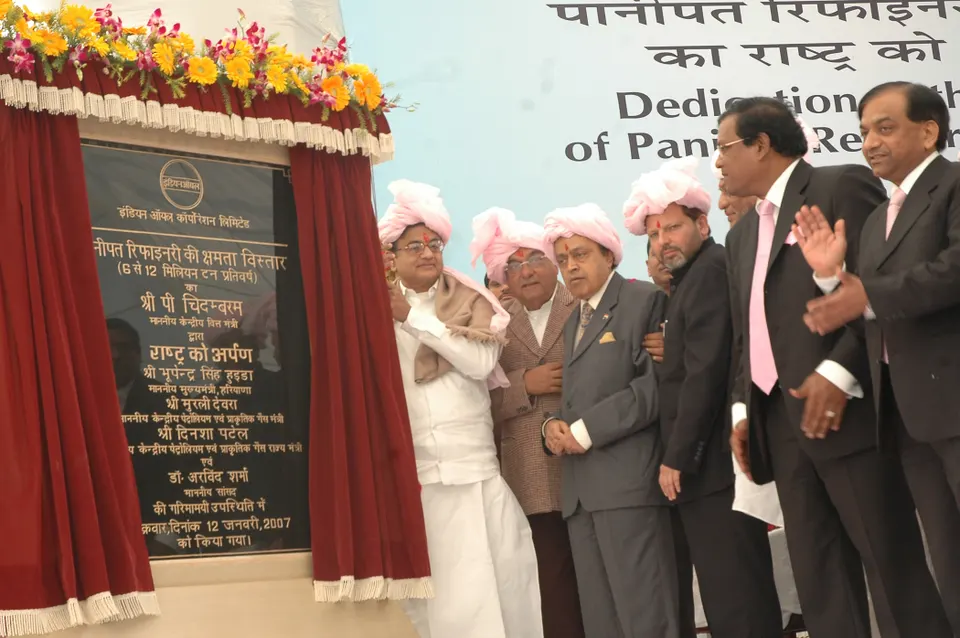
In a bid to reinforce regional cooperation, Iranian President Masoud Pezeshkian has emphasized the importance of Iraq as a 'brotherly country' and called for closer bilateral ties. This declaration came during discussions with Iraqi President Nizar Amidi in Tehran. The focus on enhancing cooperation reflects Iran's strategic interest in stabilizing its relationships with neighboring countries, particularly those with shared cultural and historical ties.
Strengthening ties with Iraq could have significant economic and strategic benefits for Iran, including increased trade, energy cooperation, and security collaboration. This deepening relationship may also serve as a counterbalance to external pressures from Western nations and regional rivals. As Iran continues to navigate complex international relations, its alliance with Iraq could play a pivotal role in shaping its regional influence.
UK Politics: Extended Pub Hours for World Cup Sparks Debate
In the UK, Downing Street's decision to allow pubs to stay open until 5am for an upcoming England World Cup match has sparked a lively political debate. This policy move is intended to accommodate fans celebrating England's progression in the tournament. However, it raises questions about the government's priorities and its approach to balancing public interests and economic activities.
The decision highlights the cultural significance of football in the UK and the economic impact of such events on local businesses. It also reflects broader discussions about public policy, social behavior, and economic benefits, as extended hours could lead to increased revenue for hospitality sectors. This development is part of a larger narrative about how governments adapt regulations to support cultural events while considering public safety and welfare.
Bitcoin Holds Steady Amid Market Fluctuations
Bitcoin has maintained a stable position above $62,000, showing resilience amid broader market fluctuations. This stability comes as U.S. jobs data suggests a softer economic outlook, easing fears of aggressive Federal Reserve rate hikes. The cryptocurrency market's performance indicates shifting investor sentiment, with large holders absorbing recent sell-offs, particularly in the face of record outflows from ETFs.
For investors, this scenario underscores Bitcoin's evolving role as a hedge against traditional market volatility. It also highlights the ongoing interplay between macroeconomic indicators and cryptocurrency markets. As Bitcoin continues to attract institutional interest, its price movements are increasingly seen as a barometer for broader economic health and investor confidence.

Frequently Asked Questions
Why is Iran concerned about Sudan's militias?
How is India's oil import strategy impacting Iran?
What are the implications of Tehran's strengthened ties with Iraq?
How does the UK's decision on pub hours relate to broader policies?
Why is Bitcoin's stability significant?
Understanding Proxy Wars
A "proxy war" describes a conflict where opposing powers avoid direct military confrontation by supporting opposing sides in a conflict. Instead of their own armies clashing, these external powers provide financial aid, weapons, training, and political backing to local militias, rebel groups, or even state armies, effectively fighting each other through third parties. This indirect approach allows states to pursue their strategic interests, expand influence, or weaken rivals without incurring the full costs and risks of an open, direct war, which could escalate into a larger, more devastating conflict.
The motivations behind engaging in proxy wars are diverse. States might seek to gain control over strategically important regions, secure access to vital resources, or counter the influence of a rival power. By leveraging local actors, external powers can often achieve their objectives with a smaller footprint and less international scrutiny than a direct military intervention. The target region often becomes a chessboard for larger geopolitical struggles, with local grievances and conflicts being exploited and exacerbated by external support.
However, proxy wars come with severe consequences, primarily for the populations and stability of the regions where they are fought. They often lead to prolonged conflicts, widespread humanitarian crises, displacement, and the breakdown of governance. The proliferation of arms and the empowerment of non-state armed groups can create long-term instability that persists even after external support wanes. For the "backers," while direct costs might be lower, the moral and reputational costs can be significant, especially when their proxies commit atrocities or destabilize an entire region, as seen in various conflicts across the Middle East and Africa.
The headline's mention of Iran demanding accountability for "Sudanese militia backers" amidst "regional tensions" directly points to the dynamics of proxy warfare. While the specific details of external support for Sudanese militias are complex and often disputed, the framing suggests a scenario where external actors are perceived to be influencing local conflicts through non-state groups. This situation exemplifies how states can accuse others of engaging in proxy tactics, highlighting the pervasive nature of such conflicts in shaping regional stability and international relations.