Global Tributes to Khamenei Amidst Strategic Oil Shifts and Market Moves
ادای احترام جهانی به خامنهای در میان تغییرات استراتژیک نفت و تحرکات بازار
As Iran mourns Ayatollah Khamenei, Japan's strategic oil realignment and Michael Burry's market bets signal major economic shifts. Explore their implications.
At time of publishing
USD
175,050
Toman
Gold 18K
17.74M
Toman / gram
Bitcoin
$61,856
US Dollar
Tether
176,780
Toman
Global Tributes to Ayatollah Khamenei
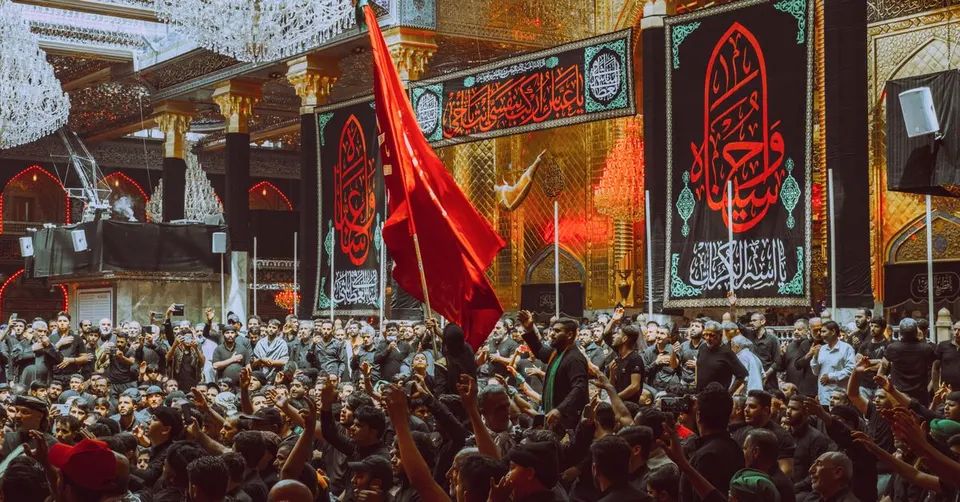
Iran is witnessing an outpouring of tributes as the nation mourns the loss of Ayatollah Seyyed Ali Khamenei. On July 3, 2026, high-ranking officials, including President Masoud Pezeshkian and Parliament Speaker Mohammad Bagher Ghalibaf, gathered to honor the martyred Leader at the Imam Khomeini Grand Mosalla in Tehran. The ceremony marks a significant moment in Iranian history, symbolizing the end of an era and the beginning of a new chapter in the country's political landscape. The global reaction to Khamenei’s death underscores the geopolitical tensions that have escalated following the US-Israeli conflict. Leaders from Iraq, China, and Russia, among others, have expressed condolences, reflecting the intricate web of alliances and enmities that define current Middle Eastern geopolitics. The domestic and international responses to this event may influence Iran's economic strategies, especially in relation to sanctions and trade negotiations.
Japan's Strategic Oil Shift
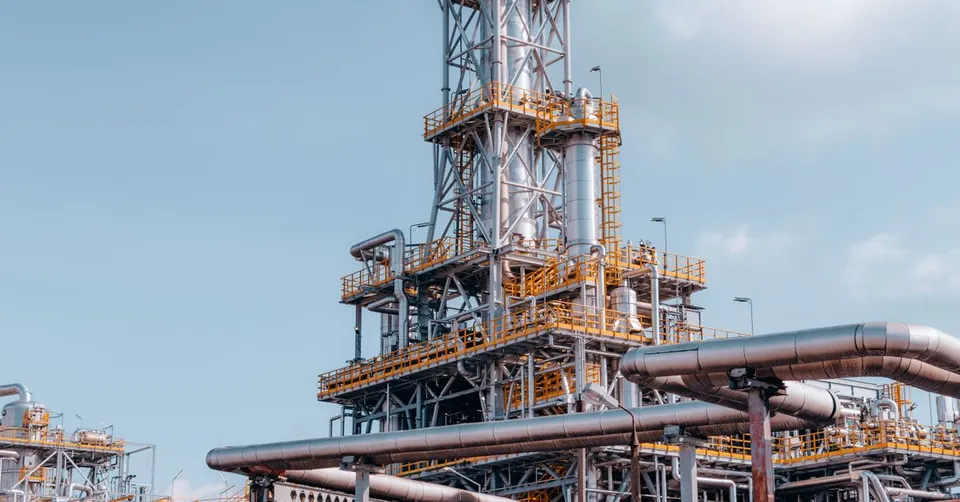
In the wake of disruptions in the Strait of Hormuz, Japan's Eneos Holdings has announced plans to diversify its crude oil imports away from the Middle East. Previously reliant on the region for a staggering 95% of its oil, Japan is now looking at alternative sources to ensure energy security. This strategic shift comes after the recent geopolitical turmoil in the area, particularly the conflict involving Iran, which has highlighted vulnerabilities in relying heavily on a single region for energy needs. This realignment is not just about securing alternative energy supplies but also reflects broader global trends towards reducing dependency on Middle Eastern oil. The shift could have significant implications for global oil markets, potentially affecting prices and the geopolitical balance in the region. For Iran, this might translate into a need to reassess its own oil export strategies and economic policies in response to changing demand patterns from key consumers like Japan.
Michael Burry's Market Maneuvers
Renowned investor Michael Burry is once again making headlines with his bearish bets against major chip stocks, including Micron, NVIDIA, and Applied Materials. This move signals his anticipation of a downturn in the semiconductor sector, driven by perceived overvaluation and potential economic slowdowns. Burry's actions often attract significant attention due to his history of successful market predictions, such as the subprime mortgage crisis. The implications of Burry's bets extend beyond the chip sector. If his predictions hold true, it could lead to broader market volatility, affecting investor sentiment and financial markets globally. For Iranian investors and the broader market, these developments might influence strategies regarding technology investments and diversification, especially considering the interconnected nature of global markets.
Spain's Political Dynamics
In Spain, a political shift is underway as the conservative People's Party (PP) strengthens its ties with the far-right Vox party in the Andalucía coalition. This alliance is seen as a step toward a potential national coalition, reflecting broader European trends where right-wing parties are gaining influence. The collaboration aims to consolidate power and implement policies that prioritize national interests, potentially impacting Spain's approach to EU relations and economic policies. This political realignment could have significant consequences for Spain's economic landscape, including its trade policies and regulatory environment. As one of Europe's major economies, shifts in Spain's political dynamics could influence EU-wide policies and economic strategies, indirectly affecting global markets and investor confidence.
Belgium's Support for Assault Victims
Belgium is pioneering a centralized initiative to support victims of sexual assault, consolidating medical, psychological, and legal assistance under one roof. This model, based on a successful pilot project, aims to provide comprehensive care and streamline support for victims, setting a benchmark for other countries grappling with similar issues. The initiative not only highlights Belgium's commitment to addressing social issues but also reflects a growing recognition of the need for integrated support systems. Such developments can influence social policy and public health strategies in other nations, potentially leading to broader reforms in how societies address and prevent sexual violence.

Frequently Asked Questions
What is the significance of Ayatollah Khamenei's funeral?
Why is Japan diversifying its oil imports?
What impact could Michael Burry's market bets have?
How might Spain's political shift affect the EU?
What does Belgium's new initiative mean for social policy?
Understanding Energy Security in a Volatile World
Energy security is a foundational concept in international relations and economics, defined as the uninterrupted availability of energy sources at an affordable price. For modern economies, reliable access to energy isn't just a convenience; it's the lifeblood that powers industries, fuels transportation, lights homes, and enables essential public services. Without it, economic stability can crumble, development can stall, and societies can face significant disruption.
The importance of energy security is amplified for nations heavily reliant on imported energy, such as Japan. These countries are acutely vulnerable to supply disruptions, price volatility, and geopolitical shifts in energy-producing regions. Consequently, their foreign policy, economic planning, and strategic alliances are often shaped by the imperative to diversify energy sources, secure stable supply routes, and build strategic reserves, all aimed at mitigating risks to their national well-being.
The recent headline, mentioning "Strategic Oil Shifts" and "Iran," underscores the geopolitical dimension of energy security. Iran, as a major oil producer, plays a significant role in global energy markets. Political developments, leadership changes, or policy shifts within such key producing nations can send ripples across the world, directly influencing global oil prices and, by extension, the energy security of consuming nations. Japan's "oil strategy," for instance, is a direct reflection of its ongoing efforts to ensure stable access to energy amidst a complex and often unpredictable global landscape.
Achieving and maintaining energy security is a complex endeavor, constantly challenged by a myriad of factors. These include geopolitical tensions, conflicts in energy-rich regions, vulnerabilities in global supply chains, natural disasters, and the ongoing transition from fossil fuels to renewable energy sources. This transition itself presents a new set of security challenges, from securing critical minerals for batteries to protecting smart grids from cyber threats.
Ultimately, understanding energy security is crucial for comprehending the strategic decisions made by nations, the dynamics of international trade, and the profound impact of political events on essential global resources. It highlights the deep interconnectedness of global markets and the constant balancing act countries perform to ensure their present prosperity and future resilience.