Alberta Rejects Secession as Oil Hits $110 Amid Hormuz Tanker Attacks
نه قاطع آلبرتا به جدایی از کانادا همزمان با جهش نفت به ۱۱۰ دلار در پی تنشهای هرمز
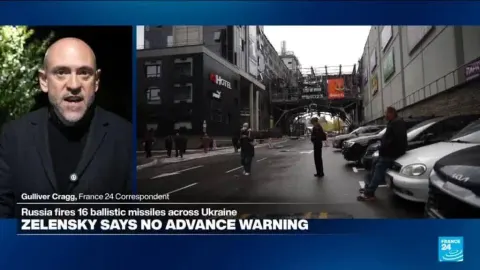
Voters in Canada's oil-rich Alberta have rejected a break-away bid, stabilizing North American energy markets even as Brent crude surges to $110 following tanker attacks in the Persian Gulf. Meanwhile, Tehran and Moscow signal a historic peak in strategic cooperation.
At time of publishing
USD
261,900
Toman
Gold 18K
26.43M
Toman / gram
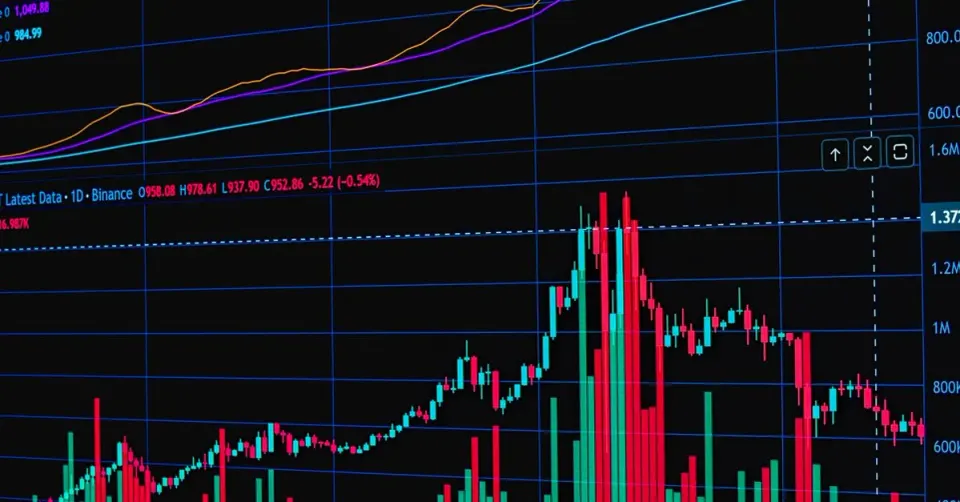
Bitcoin
$81,694
US Dollar
Tether
261,715.622
Toman
Market Open — Tuesday, October 20, 2026
The domestic market in Tehran opened this Tuesday with a notable divergence between currency and precious metals. The US Dollar (USD/IRR) saw a marginal decline, slipping from 262,100 to 261,900 Toman, a move of -0.1%. This relative stability in the currency market comes despite significant geopolitical noise, suggesting a temporary equilibrium in local demand or perhaps a cautious wait-and-see approach from major institutional players ahead of regional developments.
However, the story in the gold market is entirely different. Driven by a massive global rally that has pushed the gold ounce to a staggering $4,120.10, the local price for 18k gold rose by 1.1% to reach 26,432,429 Toman per gram. The Emami coin followed suit, gaining 0.4% to trade at 267.5 million Toman. For Iranian investors, gold remains the primary hedge against global instability, even as the Rial holds its ground against the Greenback for another morning.
Alberta Votes to Stay: A Sigh of Relief for Global Energy
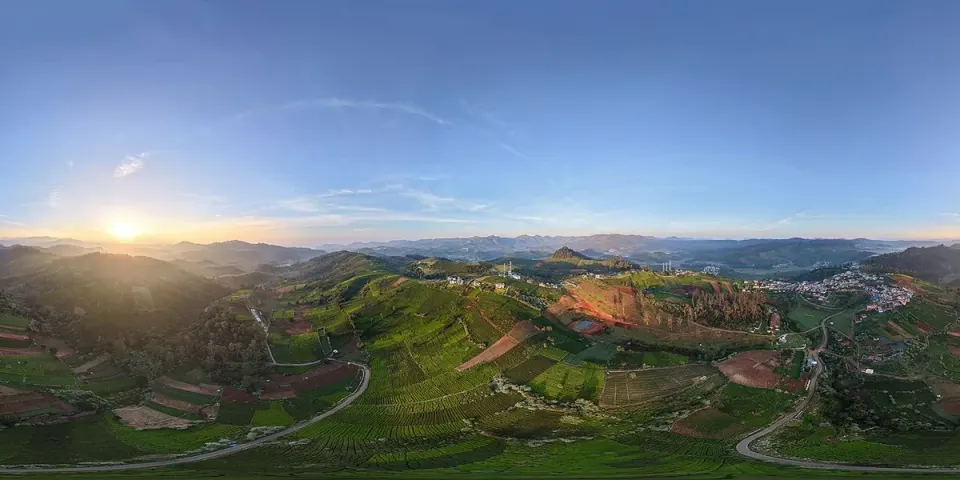
In a landmark referendum that had the potential to redraw the map of North America, residents of the oil-rich province of Alberta have officially rejected the proposal to leave Canada. The movement, often dubbed 'Wexit,' had gained momentum over the last few years due to perceived federal overreach and frustrations regarding pipeline projects. However, when faced with the ballot, voters chose the stability of the federation over the immense economic uncertainty of becoming a landlocked, sovereign nation.
This decision is of paramount importance to global energy markets. Alberta holds the world's third-largest oil reserves, and a 'Yes' vote would have triggered years of legal and constitutional chaos, likely disrupting the flow of crude to the United States. Analysts suggest that the rejection of secession provides a much-needed baseline of stability for Western energy infrastructure. The Canadian Dollar reacted positively to the news, and energy stocks in Toronto saw a pre-market boost as the threat of a constitutional crisis evaporated.
Brent Hits $110 as Tanker Attacks Haunt the Strait of Hormuz
While the news from Canada was stabilizing, the situation in the Persian Gulf has taken a darker turn. Brent crude oil prices surged past the $110 mark overnight, with WTI also climbing back above $100. This spike is directly attributed to reports of intensive attacks on oil tankers in the Strait of Hormuz, the world’s most critical maritime energy chokepoint. Traders are now pricing in a significant 'war premium' as fears of a prolonged disruption to Gulf supplies grow.
For the Iranian economy, this is a double-edged sword. While higher oil prices theoretically increase potential revenue, the increased insurance costs for shipping and the heightened risk of military escalation in its own backyard create a volatile environment. The Strait of Hormuz remains the jugular vein of the global energy trade, and any sustained threat to navigation there historically leads to aggressive price volatility that can cripple global manufacturing and trigger inflationary spikes in energy-importing nations.
Tehran and Moscow: "Closer Than Ever in History"
Against the backdrop of rising regional tensions, Iranian Foreign Minister Abbas Araghchi met with his Russian counterpart Sergey Lavrov in Tehran. Araghchi’s statement that the two nations have "never worked as closely as they do now" marks a significant rhetorical shift toward a formal strategic alliance. The meeting focused on deepening bilateral ties, likely encompassing military cooperation, sanctions-evasion mechanisms, and regional security arrangements.

This deepening partnership with Moscow is a clear signal to the West that Tehran is doubling down on its 'Look to the East' policy. As Russia remains bogged down in its own geopolitical struggles, its reliance on Iranian technology and strategic positioning has given Tehran significant leverage. For the average Iranian, this shift suggests that the country's economic and political future is increasingly tied to the Eurasian bloc, moving further away from the possibility of a renewed rapprochement with Western powers in the near term.
Frequently Asked Questions
چرا جدایی آلبرتا از کانادا برای بازار نفت مهم بود؟
علت اصلی جهش قیمت طلا در بازار تهران چیست؟
حملات به نفتکشها در هرمز چه تاثیری بر قیمت نفت داشته است؟
Understanding the Geopolitical Risk Premium in Oil Prices
The news headline, linking rising oil prices to tanker attacks in the Strait of Hormuz, highlights a crucial concept in global economics: the Geopolitical Risk Premium. This refers to the additional cost built into the price of a commodity, particularly oil, due to the perceived risk of supply disruption stemming from political instability, conflict, or military actions in key producing or transit regions. It's not about an actual supply cut yet, but the fear or potential of one.
The Strait of Hormuz serves as an excellent case study for this phenomenon. It's a narrow waterway connecting the Persian Gulf to the open ocean, through which a significant portion of the world's seaborne oil and liquefied natural gas (LNG) passes daily. Any threat to navigation in this vital chokepoint – be it from military confrontations, piracy, or, as the headline suggests, tanker attacks – immediately sends ripples through global energy markets.
When such events occur, or even when tensions escalate, traders and investors factor in a higher risk of future supply shortages. This heightened uncertainty leads to speculative buying and increased demand for oil futures contracts, pushing up the spot price of crude. The geopolitical risk premium essentially acts as an insurance policy against potential disruptions, reflecting the market's anxiety and its willingness to pay more for perceived security of supply, even if physical flows remain unaffected in the short term. This premium can fluctuate wildly based on the intensity and perceived likelihood of geopolitical events, making oil prices highly sensitive to international relations and regional conflicts.