Pakistan Affirms Support for Iran as Geopolitical Tensions Rise
پاکستان از ایران در بحبوحه تنشهای ژئوپلیتیکی حمایت میکند
Pakistan's Prime Minister Shehbaz Sharif has declared firm support for Iran amidst regional tensions. This statement comes as global geopolitical dynamics evolve, impacting economic and political alliances.
At time of publishing
USD
175,050
Toman
Gold 18K
17.75M
Toman / gram
Bitcoin
$61,947
US Dollar
Tether
176,070
Toman
Pakistan Affirms Support for Iran Amidst Regional Tensions
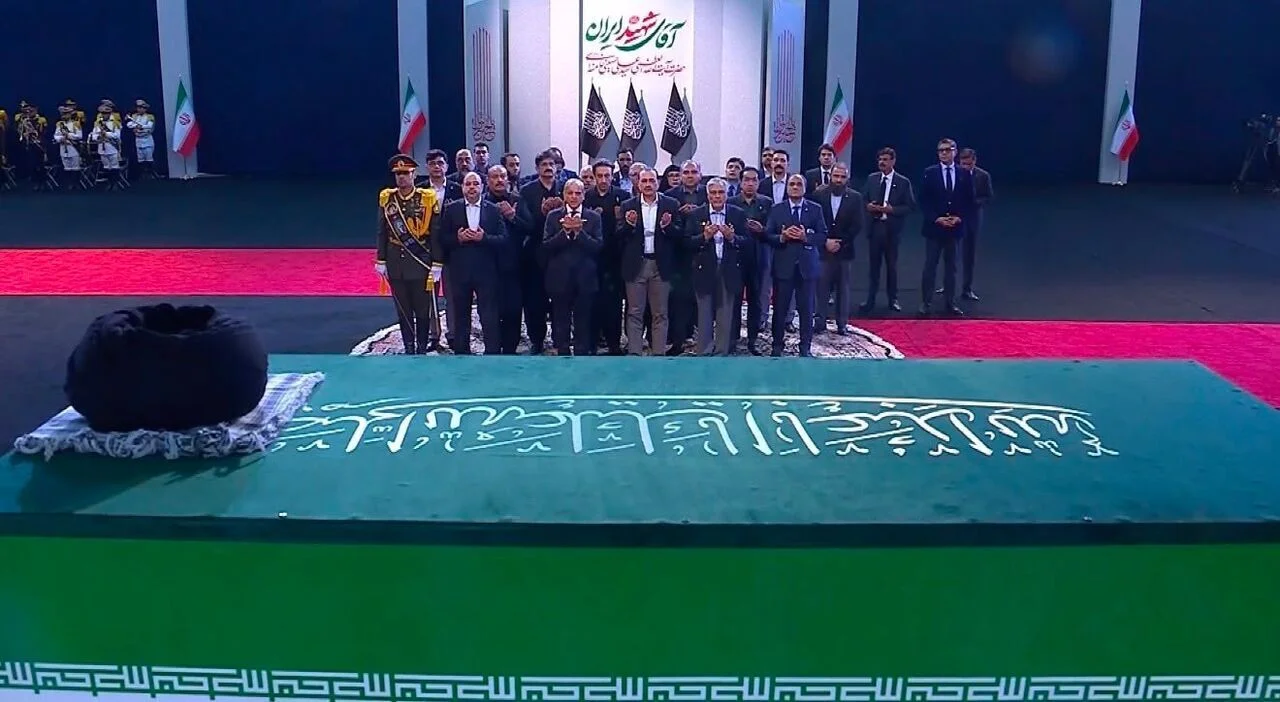
Pakistan's Prime Minister Shehbaz Sharif has publicly declared his country's unwavering support for Iran's leadership and its people. This announcement comes at a critical juncture as regional tensions remain high, affecting diplomatic and economic relations across the Middle East. Sharif's statement, reported by IRNA, underscores Pakistan's intention to strengthen its ties with Iran, potentially influencing the balance of power in the region.
The significance of this declaration is multi-faceted. It reinforces the longstanding friendship between the two countries while potentially offering Iran a strategic ally amidst increasing international scrutiny. This development may have ramifications for trade and economic agreements, impacting currency stability and market confidence in both nations. As global geopolitical landscapes shift, such alliances could redefine existing power dynamics, especially in light of ongoing tensions involving major powers in the region.
SCO Chief Calls for Respecting Iran’s Sovereignty
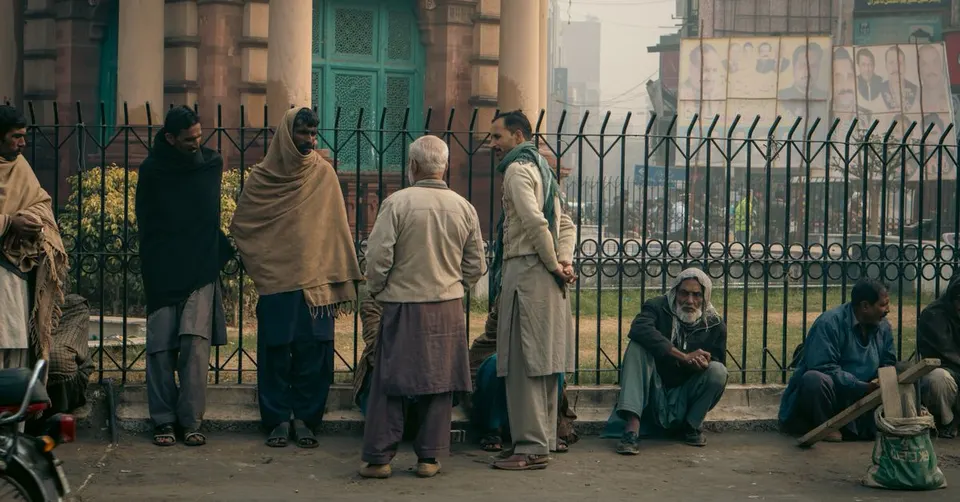
Nurlan Yermekbayev, Secretary-General of the Shanghai Cooperation Organization (SCO), has emphasized the importance of respecting Iran’s sovereignty and territorial integrity. This statement was made during a recent meeting in Tehran, as reported by IRNA. The SCO's backing signals a broader international consensus on Iran's geopolitical role, potentially easing some of the pressures Iran faces on the global stage.
The SCO's stance may provide Iran with diplomatic leverage, especially as it navigates its relationships with Western powers. This call for respecting sovereignty also aligns with Iran's ongoing efforts to assert its influence and maintain stability within its borders. Given the complex web of alliances and tensions in the Middle East, such endorsements from international bodies could bolster Iran’s negotiating position in future diplomatic engagements.

Australia’s Housing Market in Transformation
Australia's property market is undergoing significant changes, with first-time home buyers increasingly hesitant to enter the market despite cooling prices. Recent data highlights a market downturn triggered by consecutive interest rate hikes and sweeping tax reforms, as reported by The Guardian. Investor demand is also sliding, except for new properties, indicating a cautious approach among buyers.
This transformation in Australia's housing landscape may offer lessons for other economies facing similar market conditions. The hesitation among buyers reflects broader economic uncertainties, potentially affecting investment behavior beyond Australia's shores. For global markets, especially those linked to the property sector, such trends could influence investment strategies and economic forecasts, affecting currency expectations and savings behavior.

Ukrainian Suspect Sought in Monaco Bomb Attack
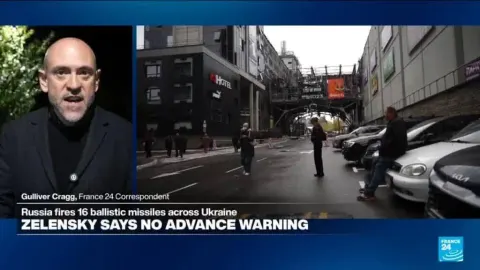
Police in Monaco are actively searching for a Ukrainian suspect involved in a recent bomb attack. The suspect, who was allegedly disguised as a man, is believed to have meticulously planned the attack, according to a BBC World report. This incident has not only heightened security concerns in Monaco but also drawn international attention to Ukraine's geopolitical struggles.
The implications of this attack extend beyond Monaco, potentially affecting European security policies and international relations. As investigations unfold, the suspect's motives and connections could reveal broader geopolitical undercurrents, influencing diplomatic relations and security strategies across Europe. This situation underscores the interconnected nature of global security challenges and the importance of international cooperation in addressing such threats.
Tajikistan and Iran: Strengthening Ties
Iran and Tajikistan are set to deepen their bilateral relations, with Iranian President Masoud Pezeshkian calling Tajikistan Iran’s 'second home.' This statement, made during discussions with Tajik President Emomali Rahmon, highlights the historical and cultural ties binding the two nations. The focus on political, economic, and security cooperation marks a significant step in fortifying their alliance.
For Iran, strengthening ties with Tajikistan could open new economic avenues and bolster its regional influence. This partnership may also serve as a counterbalance to external pressures faced by both countries. As Iran seeks to navigate its geopolitical challenges, fostering strong regional alliances could prove crucial in enhancing its strategic standing.

Frequently Asked Questions
Why is Pakistan supporting Iran?
What is the role of the SCO in Iran's geopolitical strategy?
How is Australia's housing market affecting global economics?
What are the implications of the Monaco bomb attack?
How are Iran and Tajikistan strengthening their ties?
Understanding National Sovereignty in a Complex World
Sovereignty is the supreme authority of a state over its territory and people, free from external control. It's a foundational principle of modern international law and relations, essentially granting a nation the exclusive right to govern itself without interference. This concept is the bedrock upon which the international system, often referred to as the Westphalian system, is built.
This concept has two main dimensions: internal sovereignty, which refers to a state's exclusive authority over its domestic affairs, laws, and citizens; and external sovereignty, which signifies a state's independence from the control of other states or external powers. The principle of external sovereignty is particularly vital in global affairs, as it underpins the idea of sovereign equality among nations, regardless of their size or power, and mandates non-interference in the internal affairs of other states.
In a world marked by rising geopolitical tensions, as seen in discussions around Pakistan's support for Iran, the affirmation of sovereignty becomes crucial. When one nation expresses support for another amidst external pressures, it often reinforces the latter's right to self-determination and independent foreign policy, safeguarding its external sovereignty. International bodies like the Shanghai Cooperation Organization (SCO), while promoting regional cooperation, are typically founded on the principle of respecting the sovereignty and territorial integrity of their member states, including Iran.
However, sovereignty is not static; it is constantly navigated and sometimes challenged by global economic interdependence, international agreements, and transnational issues such as climate change or cyber warfare. Understanding this core concept is essential for deciphering the dynamics of international diplomacy, alliances, and conflicts, as nations continually balance their sovereign rights with their global responsibilities and interests.