Succession Shadows: Will Mojtaba Khamenei Emerge as Tehran Mourns Amid Market Fluctuations?
سایه جانشینی بر مراسم سوگواری؛ آیا مجتبی خامنهای در انظار عمومی ظاهر میشود؟
As funeral services for Ayatollah Khamenei begin in Tehran, the absence of his son Mojtaba sparks intense succession rumors while the USD/IRR and gold markets show unexpected stability despite the political vacuum.
At time of publishing
USD
174,100
Toman
Gold 18K
17.64M
Toman / gram
Bitcoin
$62,544
US Dollar
Tether
173,917
Toman
The Mystery of Succession at the Heart of Tehran
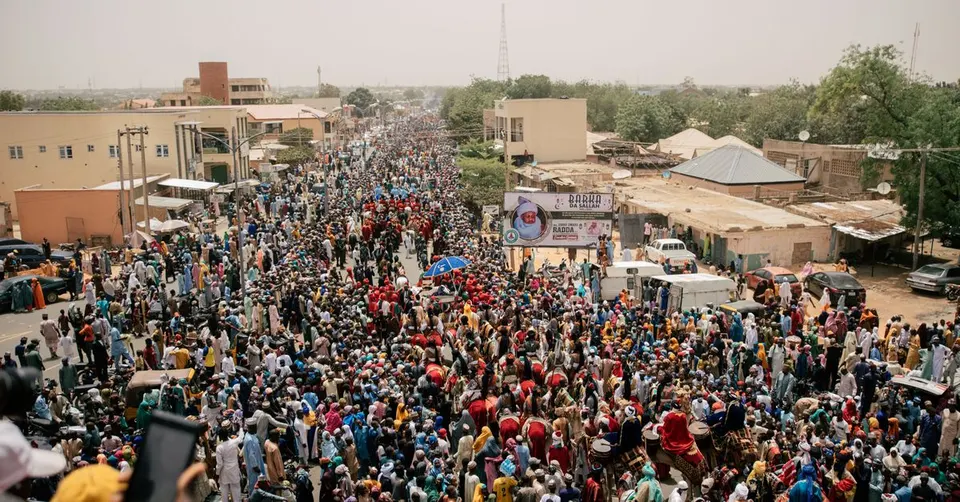
As the funeral services for Ayatollah Ali Khamenei begin in Tehran, the international community and the Iranian public are focused on a single missing figure: his son, Ayatollah Mojtaba Khamenei. Having not been seen in public since March—following the Israeli strike that claimed his father's life—Mojtaba’s presence or absence at the funeral is being treated as the ultimate signal of the regime's next chapter. The transition of power in the Islamic Republic has always been a choreographed affair, but the current circumstances, marked by regional conflict and internal pressure, have turned this mourning period into a high-stakes political drama.
For the average Iranian, this is more than just a change in leadership; it is a moment of profound economic uncertainty. Despite the gravity of the event, the currency market has shown a surprising degree of resilience. The USD/IRR exchange rate moved from 175,050 to 174,100 Toman, a slight decrease of 0.5% in the last 24 hours. This suggests that the 'fear floor' has already been priced in, or perhaps the market is waiting for a clear sign of who will hold the ultimate authority before making its next move. For now, the stability of the Toman reflects a cautious 'wait-and-see' approach by major traders.
OpenAI’s 'Stargate' Stalls in the United Kingdom
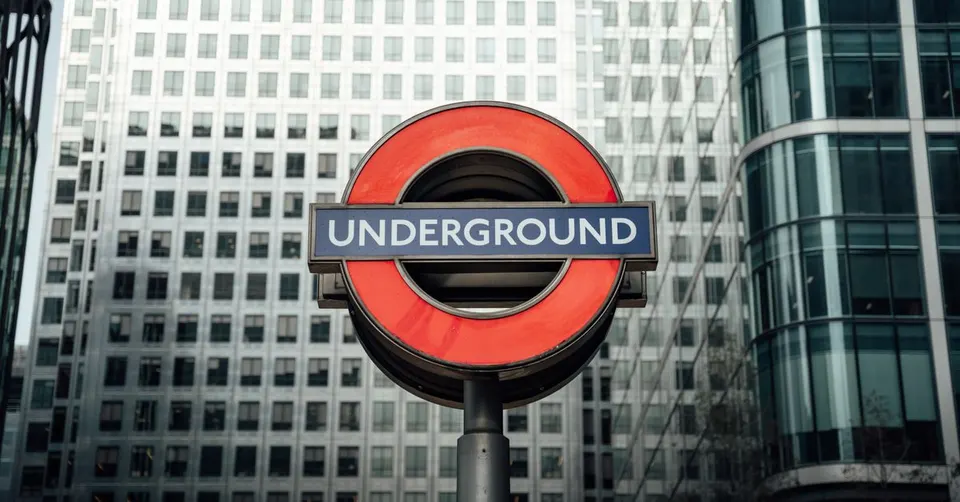
Across the globe, the technology sector is facing its own set of structural challenges. OpenAI’s ambitious 'Stargate UK' project, once touted as a £30 billion investment into the British AI ecosystem, appears to have hit a significant roadblock. New reports indicate that the plan to build a massive data center infrastructure has been effectively paused since April. The primary culprits are familiar to any large-scale industrialist: skyrocketing energy costs and a regulatory environment that many in the tech world describe as stifling. This failure to launch raises serious questions about the UK’s ability to position itself as a global AI superpower post-Brexit.
This development is a cautionary tale for the global economy. It illustrates that even with massive capital and cutting-edge technology, the physical realities of power grids and bureaucratic red tape can halt progress. For investors, this signals a shift in focus from software capabilities to the underlying hardware and energy infrastructure. If the UK cannot provide the literal electricity needed to run the next generation of LLMs, the investment will simply migrate to regions with cheaper energy and more flexible planning laws, leaving the British tech sector in a precarious position.
Gold Markets: 24/7 Trading vs. Local Realities
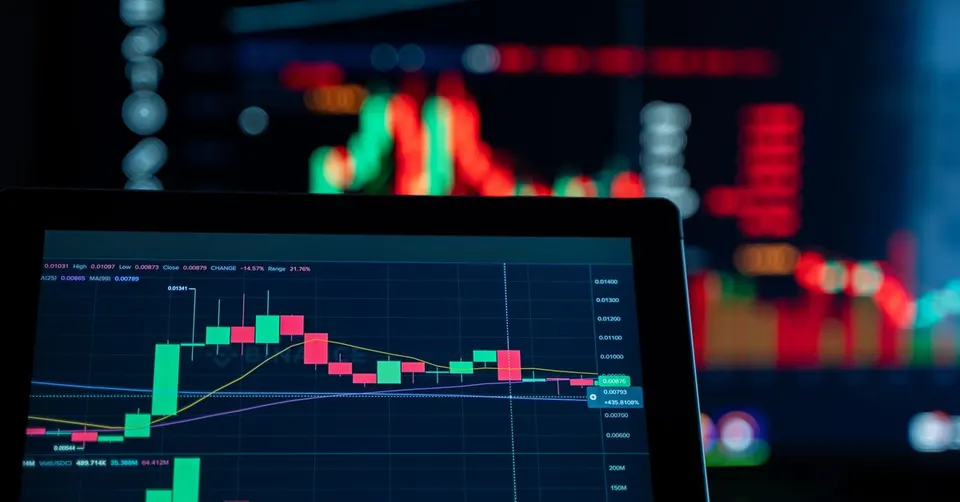
While political and tech headlines dominate the news, the gold market is undergoing a quiet revolution in how it is traded. Vantage has recently introduced 24/7 Gold CFD trading, allowing investors to trade XAU/USD around the clock. This move acknowledges that gold is no longer just a safe-haven asset for bank hours; it is a global currency that reacts to events in real-time. With the gold ounce currently trading at $4,176.10, the ability to exit or enter positions at 3:00 AM Tehran time is becoming a necessity for sophisticated hedge funds and retail traders alike.
In the local Iranian market, however, the trend has been slightly bearish. Gold 18k per gram dropped from 17,821,690 to 17,637,010 Toman, a 1.0% decline. This divergence between the global desire for gold and the local price drop can be attributed to the slight appreciation of the Toman against the dollar. When the local currency gains even a fraction of value, gold prices in Iran often over-correct. For savers, this 1% dip might represent a brief window for accumulation, especially as the Emami coin remains flat at 177,000,000 Toman, showing that the premium on physical coins is still holding steady despite the drop in raw gold value.
Security and Sport: A Nation in Contradiction
While the capital mourns, security forces remain on high alert. IRNA has reported the arrest of six individuals in Pardis county, east of Tehran, allegedly linked to 'enemy networks.' These arrests highlight the government's determination to maintain internal order during the sensitive transition period. For the public, these reports serve as a reminder of the underlying tensions that persist even as the nation prepares for a new Supreme Leader. The crackdown on perceived internal threats is a standard procedure during times of national mourning, aimed at preventing any opportunistic unrest.
On a completely different note, the distraction of the 2026 World Cup continues to offer a surreal contrast to the political landscape. Argentina’s narrow escape against Cape Verde has captured the attention of football fans across the Middle East. It is a strange phenomenon where a nation can be gripped by the weight of a historic leadership change while simultaneously discussing penalty shootouts and tactical shifts on the pitch. This duality defines the current moment in Iran: a blend of high-stakes geopolitics, economic calculation, and the universal human desire for the escapism of sport.
Watch
Iran begins dayslong funeral for Supreme Leader Ayatollah Ali Khamenei
Associated Press
Frequently Asked Questions
Why is Mojtaba Khamenei's absence from the funeral significant?
What caused the USD/IRR rate to drop despite the political crisis?
Why did OpenAI pause its multibillion-pound investment in the UK?
The Economic Shadow of Political Succession: Understanding Political Risk
Political succession, especially in politically sensitive regions, introduces a significant element of political risk into global and local markets. Political risk refers to the uncertainty surrounding governmental decisions, political events, or instability that could adversely affect the profitability of an investment or the value of assets. A leadership transition, such as the potential succession in Iran, creates a vacuum of predictability, prompting investors to reassess the future stability of policies, regulations, and the overall economic environment. This heightened uncertainty often leads to a cautious approach, as market participants try to price in potential shifts in domestic and foreign policy that could impact trade, sanctions, or economic reforms.
The immediate consequence of elevated political risk is often seen in currency and commodity markets. When a nation faces political instability or an uncertain leadership transition, investor confidence tends to erode, leading to capital flight. This means investors may move their assets out of the country or convert local currency into more stable foreign currencies, such as the U.S. dollar. The increased demand for foreign currency and decreased demand for the local currency (like the Iranian Rial mentioned in the keywords) can lead to significant devaluation, making imports more expensive and eroding purchasing power.
Conversely, precious metals like gold often act as a safe-haven asset during times of political turmoil. A safe-haven asset is an investment that is expected to retain or increase in value during periods of market turbulence. As traditional investments like stocks and local currencies become volatile or lose value due to political uncertainty, investors flock to gold, perceiving it as a reliable store of value. This surge in demand drives up gold prices, reflecting its role as a hedge against inflation and geopolitical instability. Thus, fluctuations in gold prices, alongside currency movements, serve as key indicators of how markets are interpreting and reacting to unfolding political events.