
Ghalibaf Declares Strategic Defeat for US-Israel as Toman Gains Ground Amid Regional Shifts
قالیباف: شکست راهبردی آمریکا و اسرائیل رقم خورد؛ تقویت ریال در سایه تحولات منطقهای
Parliament Speaker Ghalibaf asserts Iran's resistance has inflicted a decisive defeat on Washington and Tel Aviv, while the Toman shows resilience with a 0.5% gain against the USD. Meanwhile, Bitcoin climbs above $63,000 as global markets digest new US insurance regulations and corporate insider moves.
At time of publishing
USD
174,150
Toman
Gold 18K
17.64M
Toman / gram
Bitcoin
$63,087
US Dollar
Tether
173,838
Toman
Resistance Rhetoric and the Rial's Resilience
Parliament Speaker Mohammad Bagher Ghalibaf has framed the current geopolitical landscape as a "decisive political and military defeat" for the United States and Israel. Speaking during a period of intense diplomatic activity in Tehran, Ghalibaf emphasized that the Islamic Republic’s steadfastness in recent regional conflicts has fundamentally altered the balance of power. He argued that the era of uncontested Western dominance is ending, replaced by a reality where the "Resistance Front" dictates terms. This narrative of strategic triumph is being used to bolster domestic confidence during a sensitive transition period for the country's leadership.
This rhetoric coincides with a slight but notable cooling in the domestic currency market. The USD sell rate moved from 175,050 to 174,150 Toman, marking a 0.5% decrease over the last 24 hours. This stabilization is significant as it suggests that the initial market volatility surrounding recent leadership events is beginning to plateau. While the political language remains sharp, the actual market behavior indicates a cautious optimism or at least a temporary equilibrium among traders. Turkish President Erdogan’s recent warnings against Israel "dynamiting" the US-Iran memorandum further underscore the delicate diplomatic dance occurring behind the scenes, which investors are watching closely.

Corporate Shifts and the Burden on Homeowners
In the global economic sphere, two distinct trends are emerging that signal a tightening of conditions for consumers and a cautious stance from corporate insiders. The Radian Group's Chairman recently sold over 3,000 company shares, a move that has triggered scrutiny among retail investors. While insider selling does not always herald a market downturn, it frequently suggests that leadership may perceive the stock as having reached a temporary peak or that they are diversifying ahead of anticipated volatility. This comes at a time when the broader market is hypersensitive to any shifts in executive confidence, especially in the financial and insurance sectors.
Simultaneously, a new federal rule in the United States has allowed insurers to shift a greater portion of roof-replacement costs onto homeowners, just as the hurricane and hail seasons begin. This policy change forces homeowners to choose between high out-of-pocket expenses or potentially higher premiums after filing a claim. For global observers and Iranian readers tracking macro trends, this reflects a broader global shift of "cost-shifting," where institutional risks are increasingly being offloaded onto individual consumers. This trend further strains disposable income and impacts overall economic demand, creating a ripple effect that touches everything from housing markets to consumer spending patterns.

Bitcoin Reclaims $63,000 Amid Sporting Highs
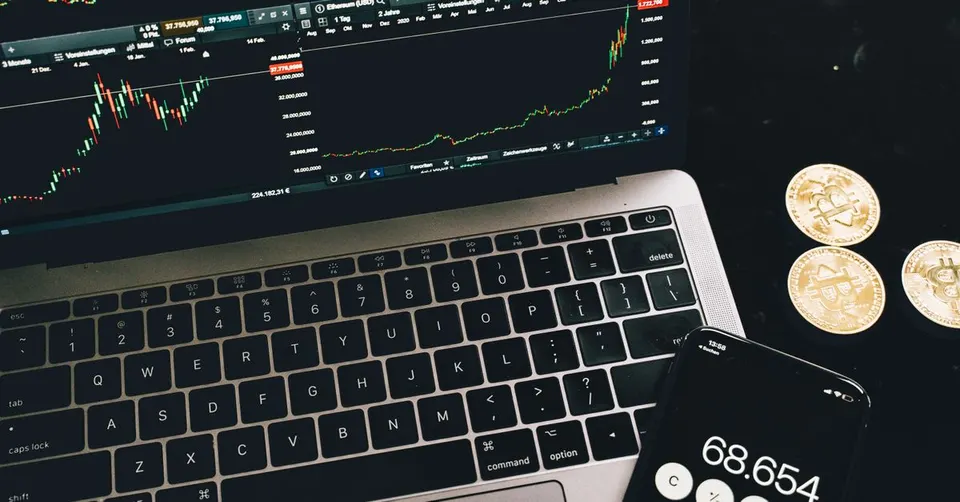
The cryptocurrency market is showing signs of renewed life as Bitcoin jumped back above the $63,087 mark, effectively reversing the losses seen at the tail end of June. This recovery occurred during relatively thin trading volumes during the July 4th holiday in the United States, yet it provided a much-needed psychological boost to bulls who were fearing a deeper correction toward the $50,000 level. XRP has also led the charge among major altcoins, gaining 5% in the last 24 hours. The ongoing debate over freezing Satoshi Nakamoto’s 1.1 million Bitcoin to protect against future "quantum threats" continues to simmer, highlighting the long-term technical anxieties that still linger beneath the surface of the current price rally.
In the world of international sports, which often mirrors the risk-on sentiment of the markets, England secured an impressive victory against India in the second T20 at Old Trafford. Jacob Bethell’s unbeaten 76 helped England chase down a target of 191, demonstrating a level of resilience that echoes the current bounce-back in the crypto markets. For Iranian crypto enthusiasts, the stability of USDT around 173,838 Toman provides a steady gateway for those looking to capitalize on Bitcoin's recent momentum. As the market enters the second half of the year, the focus remains on whether this $63,000 level can be turned into a solid floor for a run toward new all-time highs.
Frequently Asked Questions
Why did the USD/IRR rate drop despite geopolitical tensions?
What is the significance of Ghalibaf's statement on the 'defeat' of the US and Israel?
Is the Bitcoin recovery to $63,000 sustainable?
The Geopolitical Tug-of-War: How Sanctions and Politics Shape the Iranian Toman
Currency exchange rates are often seen as a barometer of a nation's economic health and its standing in the global arena. For the Iranian Toman (the unofficial but widely used name for the Iranian Rial), its value is particularly sensitive to geopolitical developments, international sanctions, and domestic policy decisions. Understanding this intricate relationship is crucial for comprehending the economic claims made in headlines like the one above.
At its core, an exchange rate reflects the demand for and supply of a currency relative to others. However, for countries like Iran, which have been subject to extensive international sanctions, these market dynamics are heavily distorted. Sanctions restrict Iran's ability to export oil and other goods, limit its access to international banking systems, and deter foreign investment. This significantly reduces the inflow of foreign currency (like USD or Euros) into the country, creating a scarcity that puts downward pressure on the Toman's value.
Furthermore, geopolitical tensions and political rhetoric, such as declarations of "strategic defeat" or perceived shifts in regional power balances, can profoundly impact market sentiment. While such statements aim to project confidence, actual sustained gains in a currency's value typically require tangible economic changes, such as increased oil revenues, successful diversification of the economy, or a significant easing of international sanctions. Without these underlying economic improvements, currency fluctuations often remain volatile and susceptible to speculation.
Therefore, when the Toman "gains ground" amidst regional shifts, it could be attributed to a complex mix of factors: perhaps a temporary increase in oil exports, a perceived de-escalation of certain tensions, or even specific domestic financial interventions designed to stabilize the currency. However, the long-term trajectory of the Toman remains inextricably linked to the broader geopolitical landscape and the efficacy of Iran's economic policies in navigating the challenges posed by sanctions and international relations.