Hegemony Challenged: Tehran’s Global Influence Rises as Oil Infrastructure Faces New Drone Threats
تزلزل هژمونی غرب؛ از تحسین جهانی مقاومت ایران تا تهدیدات پهپادی علیه زیرساختهای نفت
As an Italian anti-imperialist group hails Iran for shattering Western hegemony, geopolitical tensions flare with drone strikes on Russian oil terminals and strategic warnings over the Strait of Hormuz. Meanwhile, the Iranian Toman and gold prices see a minor correction, cooling off after a period of high volatility.
At time of publishing
USD
174,150
Toman
Gold 18K
17.64M
Toman / gram
Bitcoin
$63,307
US Dollar
Tether
174,000
Toman
The Shattered Hegemony: Iran’s Resistance Gains Global Recognition
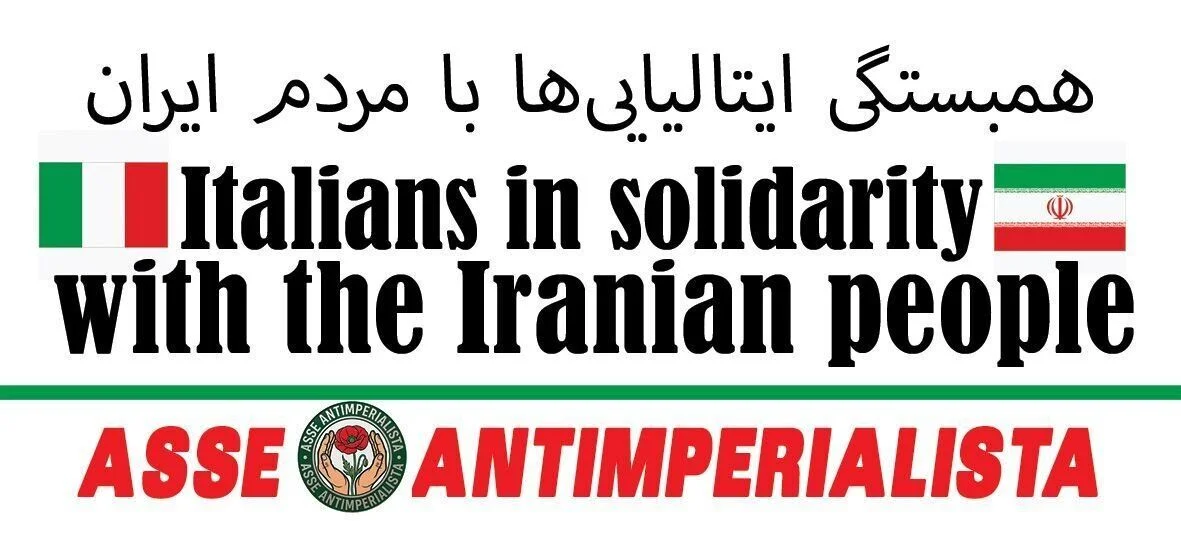
At a time when the world is closely watching the political transitions in Tehran, an Italian anti-imperialist organization has issued a powerful statement, asserting that Iran’s steadfast resistance has effectively shattered the myth of Western invincibility. According to reports from IRNA, the group highlighted that the Islamic Republic's refusal to bow to pressure from the United States and the Zionist regime has demonstrated to the global community that the hegemony of "warmongering thugs" is no longer absolute. This sentiment was echoed during an international conference held in Tehran titled “Imam Khamenei: Eternal Leader of the Resistance,” which brought together scholars and leaders from across the Resistance Front to discuss the shifting power dynamics of the 21st century.
For the Iranian reader, this international recognition is more than just rhetoric; it serves as a psychological anchor for the domestic economy. When foreign entities acknowledge Iran’s strategic autonomy, it often bolsters national confidence, which can lead to a stabilization of market sentiment. Despite the heavy atmosphere of mourning and political change, the sense that Iran’s regional and global position is being validated helps to mitigate some of the panic-buying typically seen during times of transition. This geopolitical standing is a key factor in why the currency markets have remained relatively orderly this week, avoiding the catastrophic spikes that many analysts feared.
The Strait of Hormuz: A Strategic 'Nuclear Weapon' in Energy Markets
Adding a sharp edge to the geopolitical discourse, Dmitry Medvedev, the Deputy Chairman of the Security Council of Russia, has characterized Iran’s control over the Strait of Hormuz as equivalent to possessing a “nuclear weapon.” Medvedev’s comments underscore the reality that the ability to disrupt the flow of global energy is perhaps the most potent leverage any nation can hold in the modern era. By equating maritime control with nuclear deterrence, Russia is signaling its deep strategic alignment with Tehran, framing the Strait not just as a shipping lane, but as a primary tool of global economic recalibration. This statement comes as a reminder to Western powers that any escalation in the region could result in an immediate and devastating shock to global oil supplies.
This rhetoric has immediate implications for the energy sector and, by extension, the Iranian Rial. As the world weighs the possibility of supply disruptions, oil prices remain sensitive to every headline regarding the Persian Gulf. For Iranian investors, the "Hormuz factor" creates a floor for gold and hard currency prices; as long as the threat of maritime disruption exists, the perceived value of safe-haven assets remains high. However, the current stability in the USD/IRR rate—moving from 175,050 to 174,150 (-0.5%)—suggests that while the rhetoric is hot, the market does not currently anticipate an immediate closure of the waterway.
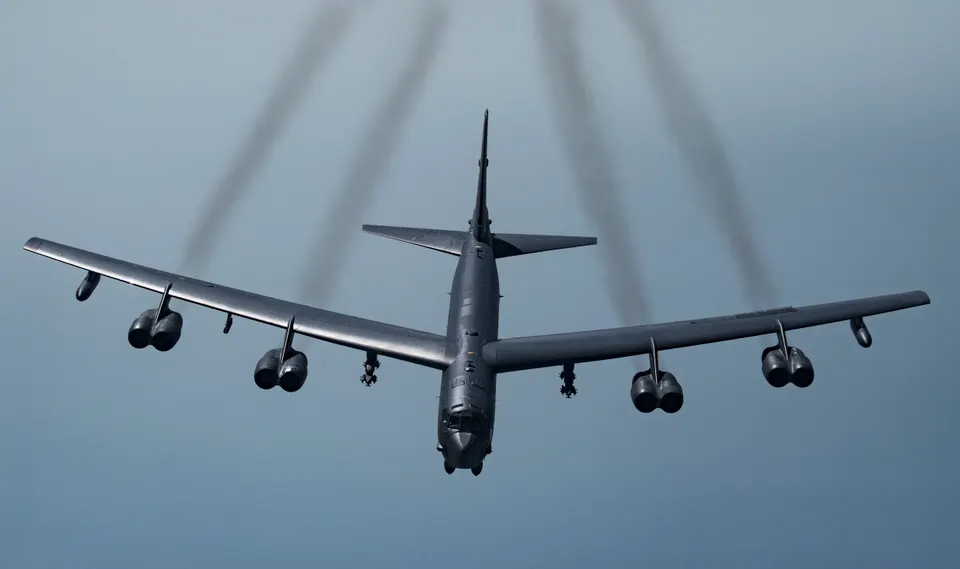
Drone Warfare Hits the Baltic: St. Petersburg Oil Infrastructure Under Fire
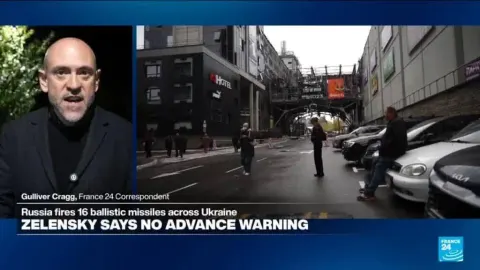
While the Middle East remains a focal point, the conflict in Eastern Europe has taken a dramatic turn with a large-scale Ukrainian drone attack on the St. Petersburg oil terminal and nearby port infrastructure. Governor Alexander Beglov confirmed the strikes, which targeted one of Russia’s most critical energy export hubs in the Baltic region. This operation signifies Ukraine’s growing capability to strike deep into Russian territory, specifically targeting the economic engine that funds the Kremlin’s military efforts. The attack on the Baltic port of Vysotsk further highlights the vulnerability of global energy supply chains to low-cost, high-impact drone technology.
This escalation in the Baltic is indirectly affecting the Iranian market by maintaining high volatility in the global energy and gold sectors. As Russian oil infrastructure faces direct threats, the global market looks toward other major producers, including Iran, to gauge potential supply gaps. Furthermore, the success of such drone strikes often leads to a flight to quality in financial markets. This explains why Bitcoin has managed to reclaim the $63,000 level despite broader economic uncertainty. For the local observer in Iran, these events reinforce the necessity of diversifying assets, as traditional energy-linked economies remain susceptible to the unpredictable nature of modern asymmetric warfare.
Market Correction: Gold and USD Take a Breather
Following a period of intense activity, the Iranian markets have shown signs of a healthy correction over the last 24 hours. The US Dollar (USD) sell rate moved from 175,050 to 174,150 Toman, marking a modest decrease of 0.5%. Similarly, 18k gold saw a more pronounced drop of 1.0%, falling from 17,821,690 to 17,643,935 Toman per gram. This cooling off period is likely a result of the market processing the recent diplomatic arrivals in Tehran and the realization that the political transition is proceeding with a high degree of institutional stability. The Emami coin remained stagnant at 177,000,000 Toman, indicating that while the "paper" price of gold is fluctuating, the demand for physical minted coins remains steady among long-term collectors.
In the broader tech and infrastructure world, a significant story broke as the largest data center project ever proposed in the United States was officially declared dead. Blackstone-owned QTS Realty Trust withdrew its plans for the Prince William Digital Gateway in Virginia, a $100 billion project that would have spanned 2,100 acres. This collapse, driven by intense legal battles and environmental concerns near historical sites, serves as a cautionary tale for the AI and tech industry. It proves that even with massive capital backing, the physical and regulatory limits of infrastructure expansion are becoming a major hurdle for the digital economy—a trend that investors in tech-heavy portfolios should watch closely as the cost of scaling AI continues to rise.
Frequently Asked Questions
Why did Dmitry Medvedev call the Strait of Hormuz a 'nuclear weapon'?
What caused the 1.0% drop in Iranian gold prices today?
How do the drone strikes in St. Petersburg affect the Iranian economy?
Why was the $100 billion Blackstone data center project cancelled?
Why the Strait of Hormuz Matters: A Global Oil Chokepoint
The Strait of Hormuz is a narrow waterway that connects the Persian Gulf with the Gulf of Oman and the wider Indian Ocean. At its narrowest point it is only about 21 nautical miles wide, yet it serves as the only sea route for the export of oil from Iran, Iraq, Kuwait, Saudi Arabia, and the United Arab Emirates. Roughly 20% of the world’s petroleum liquids—about 21 million barrels per day—pass through this corridor, making it one of the most heavily trafficked maritime chokepoints on the planet【1】.
Because the bulk of the world’s oil supply depends on this passage, any disruption can reverberate through global energy markets. A single incident that blocks or threatens shipping can cause oil prices to spike, affect exchange rates such as the USD/IRR, and even influence commodity markets like gold, which investors often turn to as a hedge during geopolitical turmoil. The strategic importance of the strait explains why major powers, from the United States to Russia, keep a close naval watch over it and why Iran emphasizes its ability to control or threaten the waterway as a lever of regional hegemony【2】.
In recent years, the nature of the threat has evolved. Small, low‑cost unmanned aerial systems (drones) have been used to target oil infrastructure both on the Iranian side of the strait and at distant terminals such as the St. Petersburg oil hub. Drone attacks can damage pipelines, storage tanks, and loading facilities without the need for a full‑scale naval confrontation. The 2024 drone strike on an Iranian terminal, reported by Reuters, highlighted how asymmetric tactics can create outsized strategic pressure on oil flows and force operators to invest in costly security upgrades, such as hardened data centers like those built by Blackstone for critical infrastructure monitoring【3】.
For Tehran, the ability to threaten the strait—or to survive attacks on its own facilities—feeds into a broader narrative of “resistance hegemony.” By projecting the capacity to disrupt a vital global supply line, Iran seeks to extract diplomatic concessions, influence regional alignments, and bolster its domestic legitimacy. However, this strategy also carries risks: heightened tensions can invite retaliatory actions, tighter sanctions, and further isolation, all of which can depress the Iranian rial and complicate long‑term economic planning, including forecasts for the USD/IRR exchange rate in 2026.
Looking ahead, the interplay between traditional naval power and emerging drone warfare will shape the security calculus of the Strait of Hormuz. Nations that rely on its uninterrupted flow are investing in both hard defenses—such as naval patrols—and soft measures, including real‑time monitoring, cyber‑resilience, and diversified routing. Understanding the strait’s central role helps explain why headlines about Tehran’s rising global influence are inseparable from discussions of oil infrastructure vulnerability and the evolving nature of modern conflict【4】.