Araghchi Lauds Yemen's Solidarity as Tehran Mourns; Bitcoin Tests Crucial $63K Resistance
تقدیر عراقچی از ایستادگی یمن در روز دوم وداع با رهبر انقلاب؛ بیتکوین در آستانه شکست مقاومت ۶۳ هزار دلاری
Iran's Foreign Minister reaffirms regional alliances with Yemen and Palestine during a high-stakes leadership transition in Tehran. Meanwhile, Bitcoin bulls struggle to break the $63,600 resistance level as local gold prices edge higher.
At time of publishing
USD
174,150
Toman
Gold 18K
17.74M
Toman / gram
Bitcoin
$62,720
US Dollar
Tether
174,700
Toman
Araghchi’s Diplomatic Offensive: Strengthening the Axis of Resistance
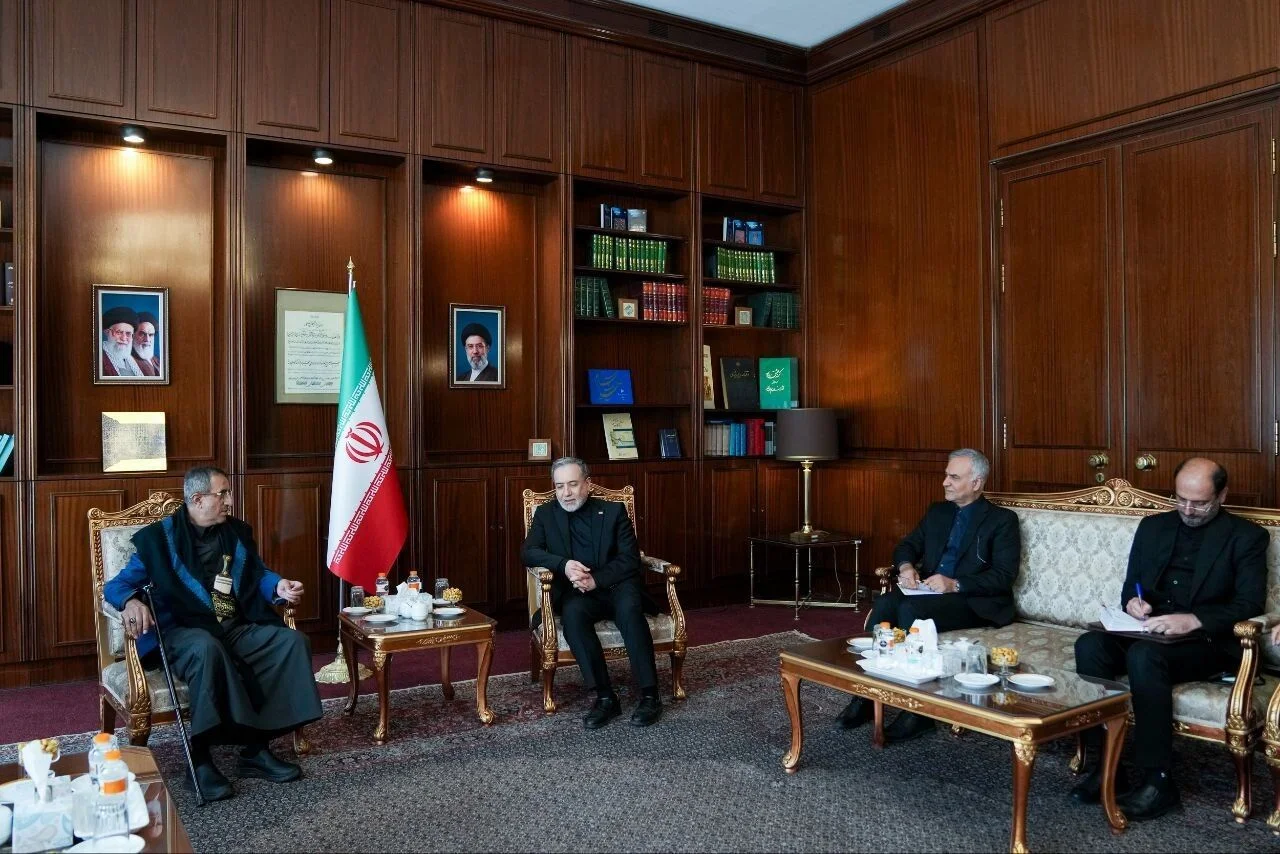
In a series of high-profile statements this Sunday morning, Iranian Foreign Minister Abbas Araghchi formally commended the Yemeni government and its people for their unwavering support following recent military aggressions by the United States and the Israeli regime. Araghchi’s remarks, delivered as Tehran remains in a state of official mourning, serve as a strategic signal to the international community that Iran’s regional foreign policy remains robust and unchanged despite the current leadership transition. By explicitly praising Yemen’s "courageous stance," the Foreign Minister is reinforcing the 'Axis of Resistance' framework, which remains the cornerstone of Iran’s geopolitical leverage in the Middle East.
This diplomatic maneuvering is not merely rhetorical; it is designed to project stability to both domestic stakeholders and foreign adversaries. Araghchi also reaffirmed Tehran’s total commitment to the Palestinian cause, asserting that the struggle for liberation remains a top priority for the Islamic Republic. For the Iranian public and market observers, these statements are intended to quell fears of a vacuum in foreign policy. The consistency in these alliances suggests that the underlying security architecture of the region will persist, which is a critical factor in maintaining the current relative stability of the Iranian Toman, which held steady at 174,150 per USD this hour.

A Nation in Transition: The Socio-Political Weight of the Tehran Funeral
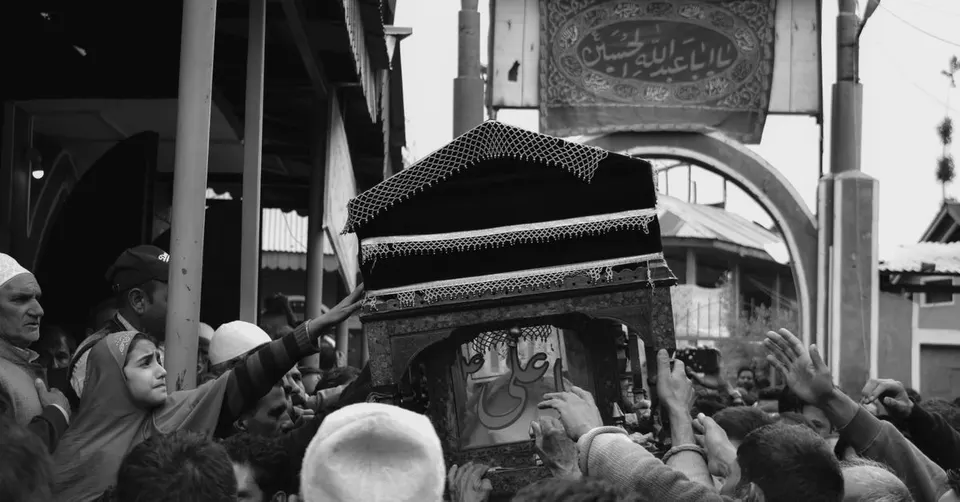
For the second consecutive day, thousands of mourners have converged on Tehran’s Imam Khomeini Mosalla to participate in the farewell ceremonies for the martyred Leader of the Islamic Revolution, Ayatollah Seyyed Ali Khamenei. The atmosphere in the capital is one of profound historical significance, as crowds from across the socio-economic spectrum gathered before dawn to perform funeral prayers. This massive public display of solidarity is a calculated demonstration of national unity at a time when Western media outlets, including the New York Times, have begun speculating on potential internal divisions and the future of the country's leadership hierarchy.
While the ceremonies focus on honoring the late leader, the underlying economic and political implications are significant. Markets typically react poorly to uncertainty, yet the organized and massive nature of these state events aims to provide a sense of continuity. The absence of certain political figures from the public eye has sparked debate among analysts, but the state narrative remains focused on a smooth transition of power. For the average Iranian citizen, the focus remains on how this transition will affect long-term economic policies, particularly regarding sanctions and international trade, which directly influence the cost of living and the valuation of the Toman.
Bitcoin Battles Resistance as Gold Prices See Marginal Gains
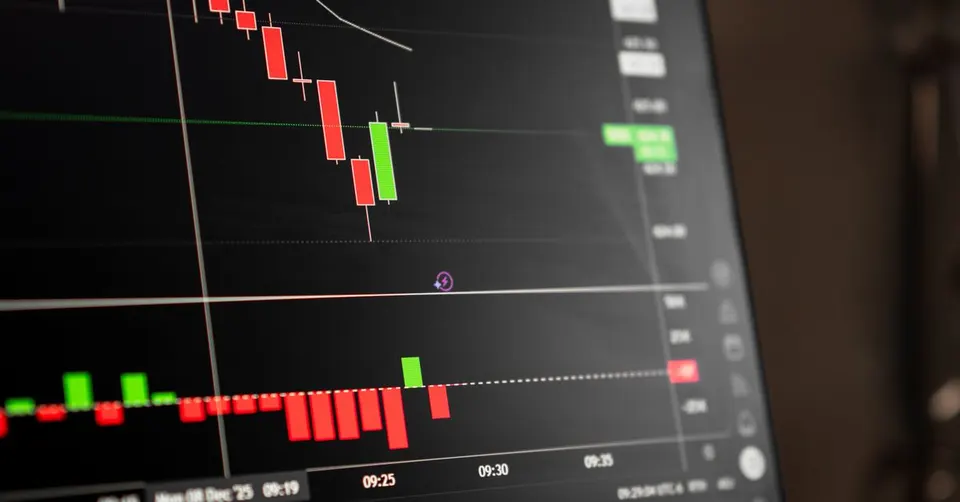
In the global financial theater, Bitcoin is currently testing a critical resistance zone between $63,100 and $63,600. After a period of volatile consolidation, the leading cryptocurrency is at a crossroads; a successful breakout could trigger a fresh rally toward the $70,000 mark, while a failure to hold these levels might see a retracement toward $60,000. Sentiment remains mixed, characterized by high-profile figures like Barstool’s Dave Portnoy vowing to hold their positions "to zero" despite poor entry timing. This "diamond hands" mentality among retail influencers often signals a late-stage market cycle or a period of intense accumulation before a major move.
Locally, the Iranian markets are showing subtle shifts in asset preference. While the USD/IRR remained flat at 174,150, Gold 18k per gram saw a modest increase of 0.5%, rising from 17,643,935 to 17,740,892 Toman. This uptick in gold prices, even as the global ounce remains near $4,176, suggests a localized hedge against potential volatility during the ongoing political transition. Investors are cautiously watching the $63,000 Bitcoin level as a proxy for global risk appetite; if crypto breaks out, it may signal a broader return to risk assets, potentially easing some of the safe-haven demand that has kept gold prices elevated in the domestic market.
Frequently Asked Questions
Why is the Foreign Minister emphasizing relations with Yemen right now?
What is the significance of the $63,100 - $63,600 range for Bitcoin?
How has the Iranian Toman responded to the ongoing leadership transition?
Understanding the Axis of Resistance
The "Axis of Resistance" refers to a loose, Iran-led political and military alliance of states and non-state actors across the Middle East. This informal coalition is united primarily by its opposition to the influence of the United States and Israel in the region, as well as its support for the Palestinian cause. Rooted in Iran's post-1979 revolutionary ideology and its desire to project power and deter threats, the Axis has evolved over decades to become a significant force shaping regional dynamics.
Key members of this network include Iran itself, which provides ideological guidance, financial support, and military training. Other prominent actors are Hezbollah in Lebanon, the Syrian government under Bashar al-Assad, various Iraqi Shi'ite militias (such as Kata'ib Hezbollah and Asa'ib Ahl al-Haq), and the Houthi movement (Ansar Allah) in Yemen. While each member maintains its own distinct objectives and operational autonomy, they often coordinate actions and share intelligence, creating a complex web of interconnected interests and capabilities.
The primary goals of the Axis of Resistance are multifaceted. They aim to challenge what they perceive as American and Israeli hegemony, resist foreign intervention, and support groups fighting against Israeli occupation. For Iran, the Axis serves as a strategic depth, allowing it to project influence beyond its borders, deter potential attacks, and counter regional rivals like Saudi Arabia. The network also plays a crucial role in Iran's regional security doctrine, providing a means to exert pressure and respond to geopolitical shifts.
Events like leadership transitions, regional conflicts, or shifts in international relations can significantly impact the cohesion and activities of the Axis. For instance, the death of prominent figures or changes in the political landscape of a member state can test its resilience. Despite its informal structure, the Axis remains a potent force, capable of influencing conflicts, shaping political outcomes, and generating considerable international attention, making its understanding essential for comprehending contemporary Middle Eastern geopolitics.