Iran Issues Stern Warning Amid Regional Tensions; China Intensifies Taiwan Patrols
هشدار قاطع ارتش ایران در بحبوحه تنشهای منطقهای؛ افزایش فشار چین بر تایوان
Iran's Army spokesperson issued a forceful warning against any hostile actions, signaling a robust defense posture in the region. Simultaneously, China has escalated its military presence around Taiwan, deploying coast guard patrols in contested waters. These geopolitical developments unfold as Iran observes the funeral of its former supreme leader, an event deemed intensely political.
At time of publishing
USD
174,150
Toman
Gold 18K
17.71M
Toman / gram
Bitcoin
$62,886
US Dollar
Tether
174,236
Toman
Iran Army Warns of 'Crushing Response' to Any Enemy Miscalculation
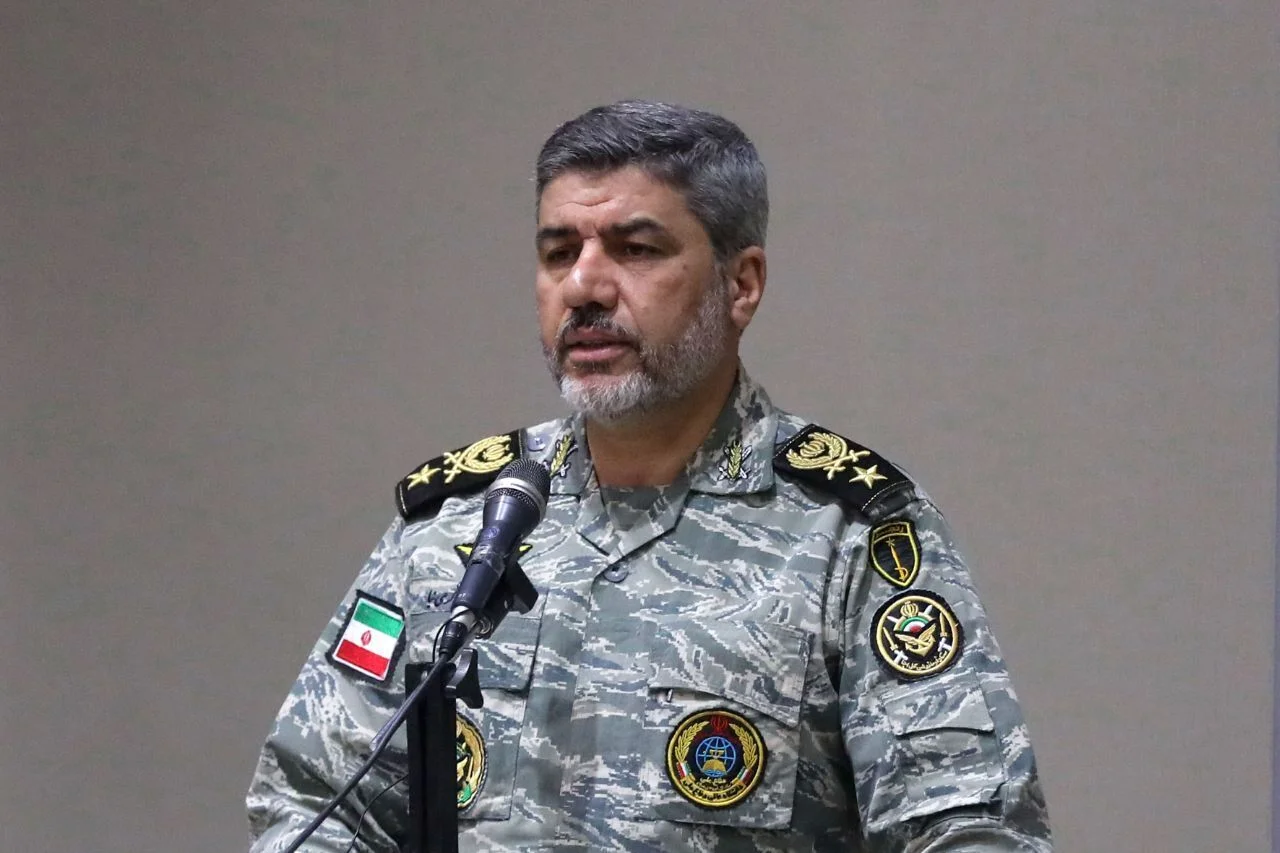
Brigadier General Mohammad Akraminia, spokesperson for the Islamic Republic of Iran Army, issued a strong warning today, stating that any hostile action against the country would be met with a firm and decisive response from its Armed Forces. This declaration comes at a time of heightened regional sensitivities and ongoing geopolitical maneuvering, emphasizing Iran's perceived need to project strength and readiness in the face of external threats.
This warning from a high-ranking military official is not merely rhetoric; it reflects Iran's strategic posture and its determination to deter potential adversaries. Such pronouncements often aim to bolster domestic confidence while sending a clear message to international players, particularly those involved in regional disputes or sanctions against Tehran. For Iranian citizens, these statements can influence perceptions of national security and, by extension, economic stability, as geopolitical tensions often correlate with currency fluctuations and market sentiment. The country's military leadership is clearly emphasizing its capacity for self-defense and its resolve to protect its borders and interests.
China Escalates Pressure on Taiwan with Expanded Coast Guard Patrols
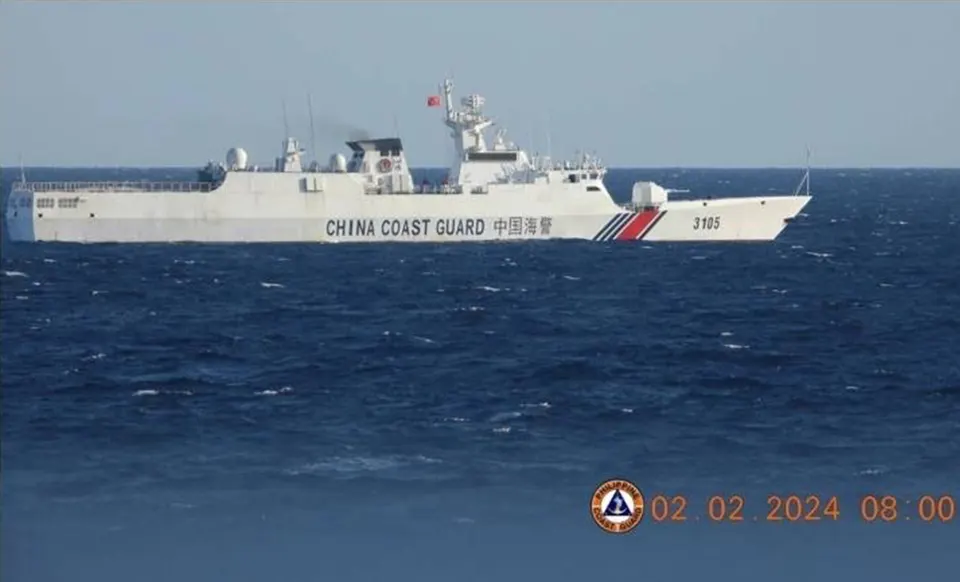
China has intensified its pressure on Taiwan by deploying two Coast Guard ships to patrol the waters east of the island. This move represents a new and significant campaign aimed at challenging Taiwan’s control over crucial maritime areas, particularly those vital to any potential future invasion scenario. Beijing's actions are a clear escalation in its ongoing efforts to assert sovereignty over Taiwan, which it views as a breakaway province and an integral part of its territory.
The deployment of Coast Guard vessels in these specific waters, traditionally under Taiwan's de facto control, serves multiple purposes. It tests Taiwan's defensive capabilities, normalizes a Chinese presence in sensitive zones, and sends a strong political message to both Taipei and its international allies, particularly the United States. This increased assertiveness could heighten regional tensions, impacting global shipping lanes and potentially influencing international trade and investment, including for countries like Iran that rely on stable global maritime routes. The international community will be closely watching for any further escalation, as stability in the Taiwan Strait is critical for global economic security.
Iran's Former Supreme Leader's Funeral: An Intensely Political Moment
The funeral ceremonies for Iran's former supreme leader are unfolding across Iran and Iraq, drawing massive crowds that authorities estimate could reach up to 20 million people. BBC World reporter Lyse Doucet, reporting from Tehran, highlighted the event as an "intensely political moment." Such large-scale public gatherings, particularly for a figure of such historical and religious significance, inherently carry profound political weight within the country's complex power structure.
Beyond the religious rites, these funeral proceedings are a powerful display of state mobilization and public allegiance, aimed at reinforcing the legitimacy and continuity of the current leadership. The sheer scale of participation, whether voluntary or state-orchestrated, serves as a message of national unity and strength in a period of transition. For the Iranian populace, these events can be both a source of collective mourning and a platform for expressing diverse sentiments, while internationally, they are observed as indicators of the regime's internal stability and public support. The political implications extend to regional dynamics, especially given the participation of figures from Iraq and the broader "Axis of Resistance."
Diverse Global Developments: Historical Insights and Local Crime
In a distinct development far from geopolitical flashpoints, a recently rediscovered baptism record at Manchester Cathedral in England is offering new insights into Black Mancunian life during the Georgian era. This parish entry details an argument that proved pivotal to the abolitionist cause, shedding light on a period when an estimated 20,000 Black people lived in the country. Meanwhile, in Australia, police have charged a woman with murder after the body of a four-year-old boy was discovered at a home on the New South Wales Central Coast. The arrest followed the woman presenting herself to a local police station on Saturday.
The Manchester Cathedral record, though historical, is significant for enhancing our understanding of social history and the roots of the abolitionist movement, providing a richer context for contemporary discussions on race and societal structure. It highlights how seemingly small historical details can illuminate broader societal narratives and contribute to a more complete historical record. The tragic incident in Australia, while a local crime story, underscores ongoing challenges related to child safety and community welfare, prompting local investigations into the circumstances surrounding the boy's death. While these events do not directly impact global markets or geopolitical strategies in the same way as military warnings or trade disputes, they reflect the diverse tapestry of human experience and social issues unfolding worldwide, reminding us of the varied concerns that occupy different parts of the globe.

Frequently Asked Questions
What specific actions did Iran's Army spokesperson warn against?
How does China's expanded Coast Guard patrol around Taiwan differ from previous actions?
Why is the funeral of Iran's former supreme leader considered an 'intensely political moment'?
What is the significance of the rediscovered baptism record at Manchester Cathedral?
How do these diverse global stories impact the Iranian reader?
Understanding Strategic Chokepoints in Global Trade
In a world increasingly interconnected by trade and energy flows, certain narrow maritime passages hold immense strategic importance. These are known as strategic chokepoints: critical waterways that, due to their limited width and high volume of traffic, are indispensable for international commerce and naval operations. Any disruption, whether from natural events, piracy, or geopolitical tensions, can have cascading effects on global supply chains, energy prices, and economic stability worldwide.
Two prime examples highlighted by recent headlines are the Taiwan Strait and the Strait of Hormuz. The Taiwan Strait, a 180-kilometer-wide waterway separating mainland China and Taiwan, is one of the busiest shipping lanes globally. It is a vital conduit for goods, particularly high-tech components like semiconductors, moving between Asia, Europe, and the Americas. China's intensified patrols in this area, in response to perceived challenges to its sovereignty, directly impact the security and predictability of this crucial route.
Similarly, the Strait of Hormuz, connecting the Persian Gulf to the open ocean, is arguably the world's most important oil transit chokepoint. A significant portion of the world's seaborne oil and liquefied natural gas (LNG) passes through this strait daily. Iran's warnings amid regional tensions underscore the vulnerability of this passage. Any threat to its free passage, whether from military action or political leverage, could send shockwaves through global energy markets and significantly impact the economies of nations reliant on these resources.
Understanding strategic chokepoints is crucial for grasping the broader implications of regional conflicts. These aren't just local disputes; they are potential flashpoints that can quickly escalate into global economic and security crises. The stability of these waterways is a shared international interest, making their monitoring and the diplomatic management of tensions surrounding them paramount for global peace and prosperity.