Khamenei's Legacy Shapes Regional Geopolitics; Trump Revenge Demands Erupt at Funeral; Toman Holds Steady
میراث خامنهای ژئوپلیتیک منطقه را شکل میدهد؛ درخواست انتقام از ترامپ در مراسم خاکسپاری؛ ثبات نسبی تومان
A Pakistani researcher highlights Ayatollah Ali Khamenei's enduring legacy as a new geopolitical chapter unfolds in the Middle East, with calls for revenge against Donald Trump echoing at the funeral. Meanwhile, a financial scandal in Scotland raises questions about political transparency, and the Iranian Toman shows minor fluctuations.
At time of publishing
USD
174,050
Toman
Gold 18K
17.69M
Toman / gram
Bitcoin
$62,674
US Dollar
Tether
173,834
Toman
Khamenei's Enduring Legacy Shapes a New Middle East Geopolitics
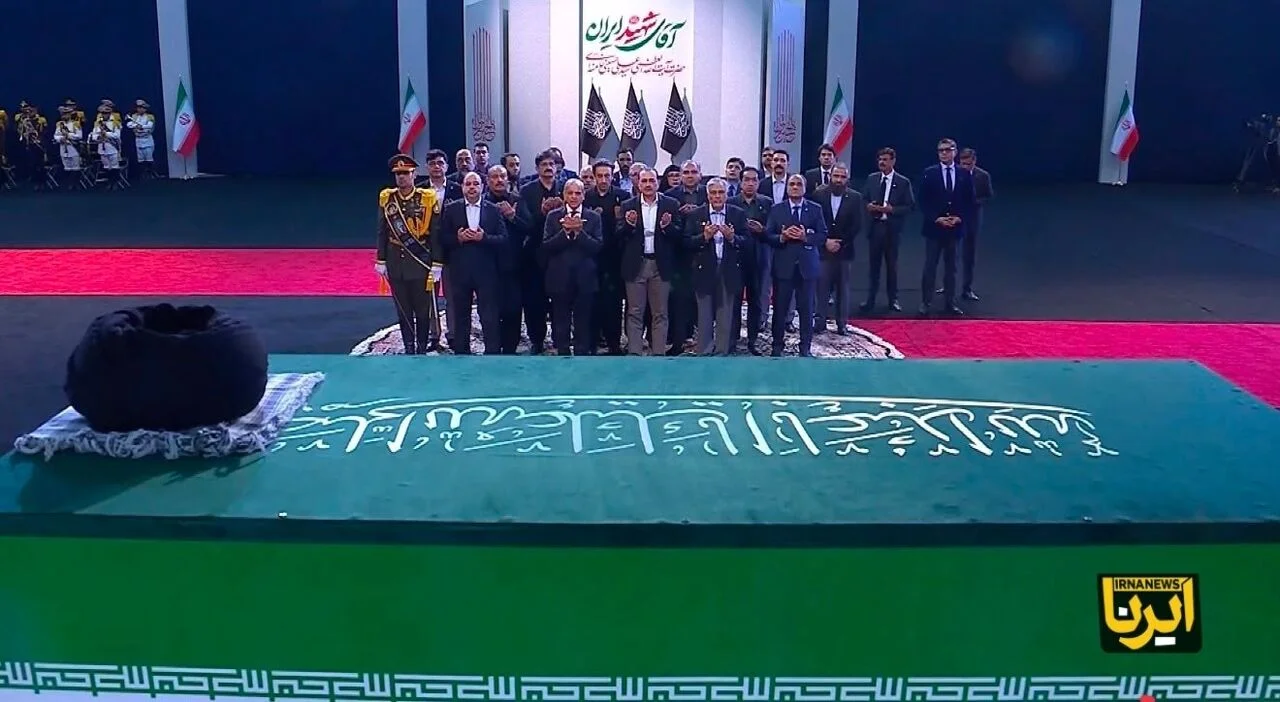
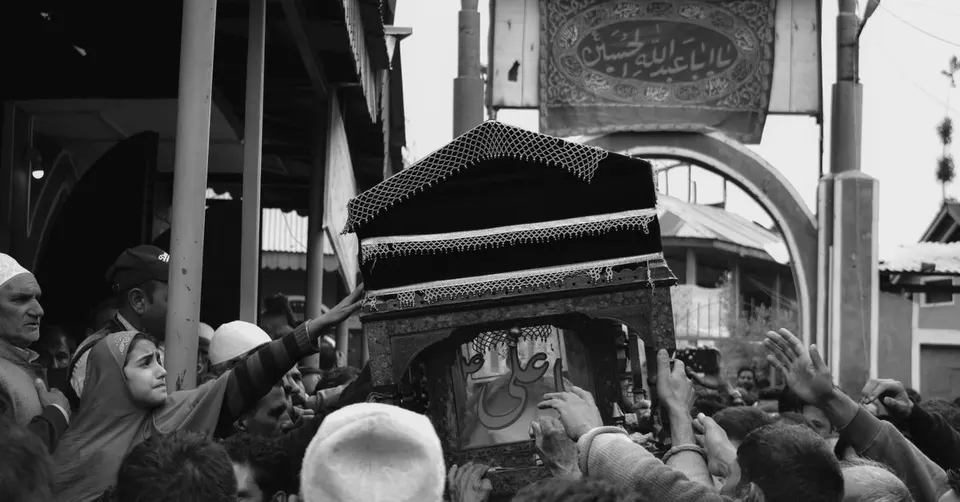
The historic memorial ceremony for the martyred Leader of the Islamic Revolution, Ayatollah Seyyed Ali Khamenei, is being hailed by a Pakistani researcher specializing in strategic affairs and the Middle East as a pivotal moment, signaling the region's entry into a new geopolitical chapter. This perspective, reported by IRNA, emphasizes that the significance of the event transcends mere official narratives, becoming an integral part of the Middle East's historical legacy due to its profound and transformative impact. The international attention on these ceremonies underscores the enduring influence Khamenei wielded and continues to exert over regional dynamics.
This analysis suggests that even in his passing, Khamenei’s ideological and political footprint will continue to shape alliances, conflicts, and power balances across the Middle East. For Iranian readers, this framing reinforces a sense of national pride and continuity, suggesting that the foundations laid by the martyred Leader are robust enough to guide the nation through its current leadership transition. It also signals how external observers perceive Iran's unyielding role in a volatile region, potentially influencing diplomatic postures and regional rivalries for years to come.
Calls for Trump's Killing Erupt at Khamenei's Funeral Amid Succession Silence
Amidst the solemnity of the mass funeral processions for the assassinated former Iranian Supreme Leader Ali Khamenei, a stark and provocative development emerged: calls for the killing of Donald Trump echoed through a packed prayer hall in Tehran. This incendiary rhetoric, reported by The Guardian, highlights the deep-seated anger and desire for retribution among certain segments of the Iranian populace, attributing Khamenei's death to the US and Israeli war that began on February 28, which also led to the demise of other family members. The funeral itself had been delayed due to the ongoing conflict, underscoring the raw emotions surrounding the leader's passing.
Adding to the complexity of this highly charged atmosphere is the continued absence of Mojtaba Khamenei, widely speculated as a potential successor, from public view. While his three brothers stood beside their father's coffin, Mojtaba's conspicuous non-appearance fuels further speculation about the internal dynamics of the succession process and the stability of future leadership. The public calls for revenge against a former US president, coupled with the uncertainty surrounding the new supreme leader, project an image of a nation grappling with both profound loss and simmering geopolitical tensions.
For the Iranian economy and its citizens, such heightened rhetoric carries significant weight. These calls for retribution are likely to be interpreted internationally as a signal of continued confrontational foreign policy, which could exacerbate existing sanctions or trigger new ones, thereby impacting trade, investment, and the overall stability of the Iranian Toman. While the Toman saw a minor depreciation of -0.1% against the USD in the last 24 hours, moving from 174,150 to 174,050, such geopolitical tensions could place further downward pressure on the currency and dampen investor confidence in the long term, making the path to economic recovery more challenging.
Iranian Nation's United Cry for Revenge, Ghalibaf Affirms
Parliament Speaker Mohammad Bagher Ghalibaf, addressing the nation during the ongoing historic funeral ceremonies for Martyr Ayatollah Seyyed Ali Khamenei, asserted that the Iranian nation has raised a united cry of revenge for its martyred Leader. As reported by IRNA, Ghalibaf’s statement underscored the profound love and loyalty the Iranian people hold for the Leader of the Islamic Revolution, presenting a unified front in a moment of national mourning and transition. This official narrative aims to consolidate national sentiment and project an image of unwavering resolve.
Ghalibaf's remarks serve a crucial purpose in the wake of such a significant national loss, seeking to channel public grief and anger into a collective demand for justice and continuity of the Islamic Revolution's ideals. By emphasizing a "united cry," the government attempts to negate any perception of internal division or weakness during this sensitive period, both domestically and on the international stage. This rhetoric is designed to galvanize support behind the existing political structure and its future direction, asserting ideological steadfastness.
The implication of such strong pronouncements for Iranian citizens and the regional landscape is considerable. A consistent message of revenge and national unity suggests that the foreign policy trajectory of the Islamic Republic is unlikely to soften, regardless of who assumes the mantle of Supreme Leader. This could mean sustained or even escalated tensions with regional adversaries and Western powers, potentially impacting Iran's access to global markets and its ability to attract foreign investment. For ordinary Iranians, this translates into continued economic pressure and uncertainty, reinforcing the need for resilience in the face of ongoing geopolitical challenges.
Scotland Police Probe "Yes" Campaign's Missing £1.5 Million
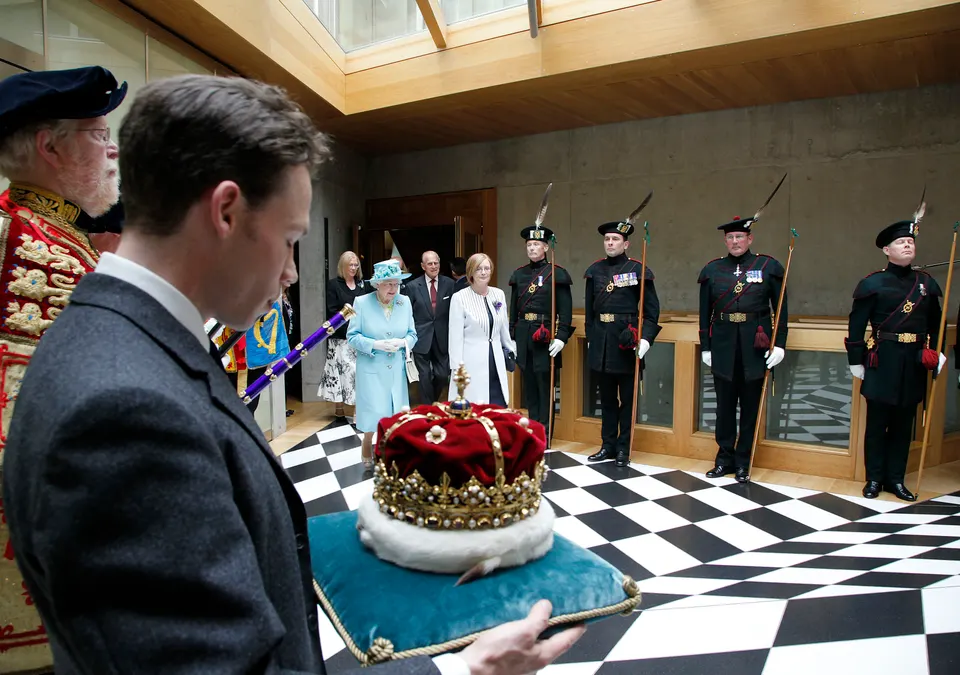
Police in Scotland have initiated a formal investigation into claims of a significant financial discrepancy within the "Yes Scotland" campaign, the group that spearheaded the drive for Scottish independence in the 2014 referendum. Allegations suggest that a substantial sum of £1.5 million, purportedly raised for the campaign, is currently unaccounted for. This probe, reported by the BBC, delves into the financial transparency and accountability of a major political movement that captured national and international attention.
The investigation follows persistent questions regarding the handling of campaign funds and the clarity of financial records. The integrity of political fundraising and expenditure is a cornerstone of democratic governance, and any claims of missing money, particularly from a high-profile public campaign, can severely erode public trust in political institutions and processes. Such inquiries are critical for maintaining ethical standards in politics and ensuring that donations are used for their intended purposes.
While primarily a domestic political matter for the United Kingdom, the implications of such a financial scandal can extend to broader perceptions of political stability and transparency in established democracies. For global investors and financial markets, the presence of robust regulatory oversight and accountability mechanisms in a country's political sphere is a key indicator of institutional strength. Although unlikely to directly impact the Toman, such news, when combined with other global uncertainties, contributes to the overall risk assessment of Western economies, subtly influencing sentiment and potentially capital flows in the wider European context.
Unconventional Crowdfunding: "World's Smallest Penis" Man Funds Surgery
In a story that highlights the unconventional power of digital platforms, a US man named Michael Phillips, who has publicly claimed to possess the world’s smallest penis, has successfully fundraised sufficient capital through the GoFundMe platform to book enhancement surgery. Phillips expressed profound gratitude and surprise at the public’s generosity, illustrating a unique intersection of personal vulnerability, online community support, and the fluid dynamics of digital finance. This narrative, reported by The Guardian, showcases the extraordinary ways individuals can leverage global online communities for highly personal and often unusual objectives.
This peculiar crowdfunding success story underscores the evolving nature of public giving and the increasing accessibility of micro-financing for a vast array of causes, far beyond traditional charity or medical emergencies. It reflects a societal shift where personal appeals, no matter how unique or intimate, can garner widespread support from an interconnected global audience. The ability to articulate a need and mobilize financial assistance through digital means is a testament to the transformative impact of online platforms on individual agency and collective action in the 21st century.

While this event may appear as a mere human interest quirk, it offers a fascinating, albeit niche, insight into the broader landscape of digital economic interactions and public sentiment. The willingness of individuals to contribute financially to such unconventional personal projects can be seen as a micro-indicator of evolving "risk appetite" within the digital sphere – a readiness to invest in novel, non-traditional ventures or support unique social phenomena. This contributes, however indirectly, to the understanding of consumer behavior, digital trends, and the unpredictable nature of online engagement, which can subtly influence the broader market psychology surrounding digital platforms and the gig economy.
Frequently Asked Questions
What is the significance of the memorial ceremony for Ayatollah Ali Khamenei?
Why are there calls for revenge against Donald Trump at the funeral?
How might the succession uncertainty impact Iran's foreign policy?
What are the implications of the 'Yes Scotland' campaign's missing funds probe?
How does the GoFundMe story reflect broader digital economic trends?
Understanding Velayat-e Faqih: The Pillar of Iranian Governance
The news surrounding Ayatollah Ali Khamenei's legacy and the discussions of succession highlight a foundational concept in Iranian politics: Velayat-e Faqih, or the Guardianship of the Islamic Jurist. This principle is the bedrock of the Islamic Republic of Iran's unique system of governance, establishing that a senior Islamic cleric, known as the Supreme Leader, holds ultimate authority over the state and its affairs. Unlike traditional democracies where elected officials hold supreme power, in Iran, the Supreme Leader's mandate is derived from religious authority, placing him above the elected president and parliament.
Developed and implemented by Ayatollah Ruhollah Khomeini after the 1979 Islamic Revolution, Velayat-e Faqih grants the Supreme Leader extensive powers. He serves as the commander-in-chief of the armed forces, head of the judiciary, and has the final say on major domestic and foreign policy decisions. This includes control over state media, the appointment of key officials, and the ultimate arbitration of disputes. This overarching religious authority means that the Supreme Leader's directives guide the nation's strategic direction, profoundly shaping its geopolitical stance and internal policies.
The significance of Velayat-e Faqih becomes particularly apparent during discussions of succession. Given the Supreme Leader's absolute power, the process of selecting his successor is a critical event with immense implications for Iran's future and regional stability. The Assembly of Experts, an elected body of senior clerics, is constitutionally tasked with choosing the next Supreme Leader. This process underscores the deep intertwining of religious doctrine and state power in Iran, making the transition of leadership far more complex and consequential than a typical change in political office. Understanding this principle is crucial for anyone seeking to comprehend Iran's internal dynamics and its role on the global stage.