IRGC Tightens Grip on Hormuz Amid Funeral Rites; AustralianSuper Pivots Back to Coal
تنگه هرمز در قرق سپاه همزمان با مراسم تشییع؛ بازگشت بزرگترین صندوق بازنشستگی استرالیا به زغالسنگ
As Tehran marks the second day of mourning for Ayatollah Khamenei, the IRGC has significantly increased its presence in the Strait of Hormuz, signaling a hardline stance during the leadership transition. Meanwhile, global markets are reacting to a major ESG reversal in Australia and surging political betting volumes in the US.
At time of publishing
USD
173,550
Toman
Gold 18K
17.71M
Toman / gram
Bitcoin
$62,753
US Dollar
Tether
174,199
Toman
The Strait of Hormuz Becomes a Fortress During Transition
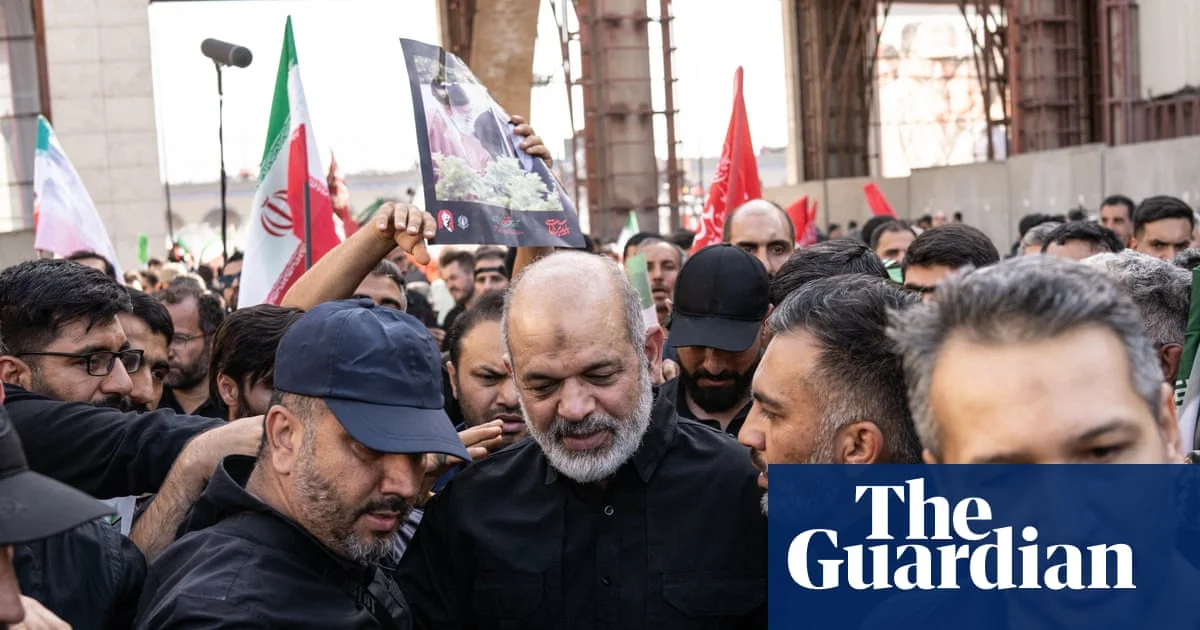
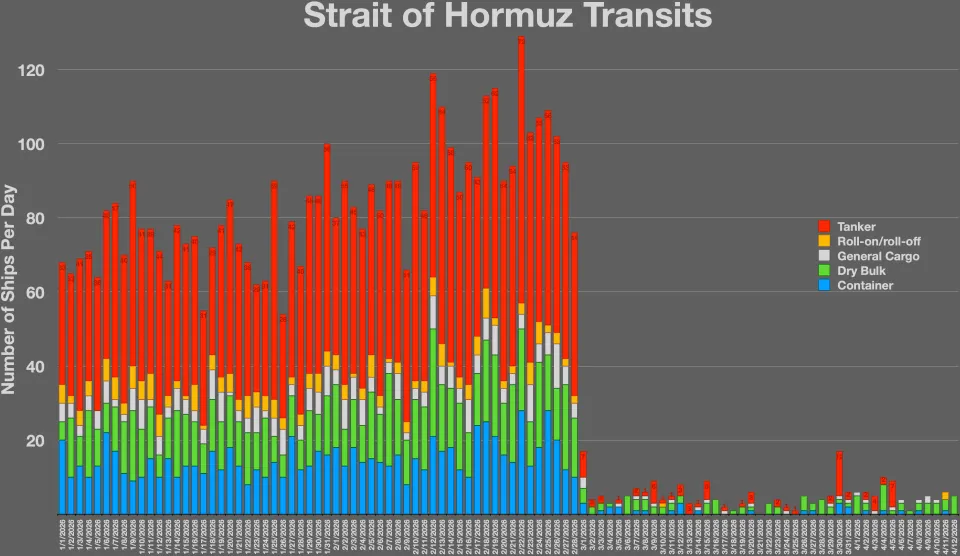
As the funeral ceremonies for Ayatollah Ali Khamenei continue in Tehran, the Islamic Revolutionary Guard Corps (IRGC) has significantly intensified its military and diplomatic control over the Strait of Hormuz. Reports indicate that the IRGC has issued warnings forcing several international vessels to alter their courses, effectively asserting a monopoly over the world’s most critical oil chokepoint. This move is being interpreted by regional analysts not just as a security measure, but as a symbolic demonstration of power during a sensitive leadership transition. By utilizing religious messaging and Quranic passages in their communications with Gulf delegations, the Iranian military is signaling that the late leader's legacy of maritime dominance remains a non-negotiable pillar of the state's regional strategy. The atmosphere in the capital remains tense as the second day of mass mourning concludes. Notably, Mojtaba Khamenei, often discussed as a potential successor, was reportedly absent from the public funeral proceedings today, fueling further speculation about the internal dynamics of the transition. Meanwhile, high-ranking military officials, including Major General Amir Hatami, have issued stern declarations vowing that the nation will never cease its pursuit of those they hold responsible for the 'assassination' of the Leader. This rhetoric of defiance is clearly intended to project stability and strength to both domestic audiences and foreign adversaries at a time of perceived vulnerability.
For the Iranian markets, this geopolitical posturing has resulted in a cautious but relatively stable trading environment. The USD sell rate in the open market moved from 174,150 to 173,550 Toman, marking a slight decrease of 0.3% over the last 24 hours. While the Toman hasn't collapsed under the weight of the news, the 0.4% rise in 18k gold (now at 17,710,882 Toman per gram) suggests that local investors are still seeking the safety of hard assets. The stability of the Emami coin at 177,000,000 Toman indicates a 'wait-and-see' approach as the market digests the implications of the IRGC's actions in the Persian Gulf and the unfolding succession process.
The Death of ESG? AustralianSuper Returns to Coal
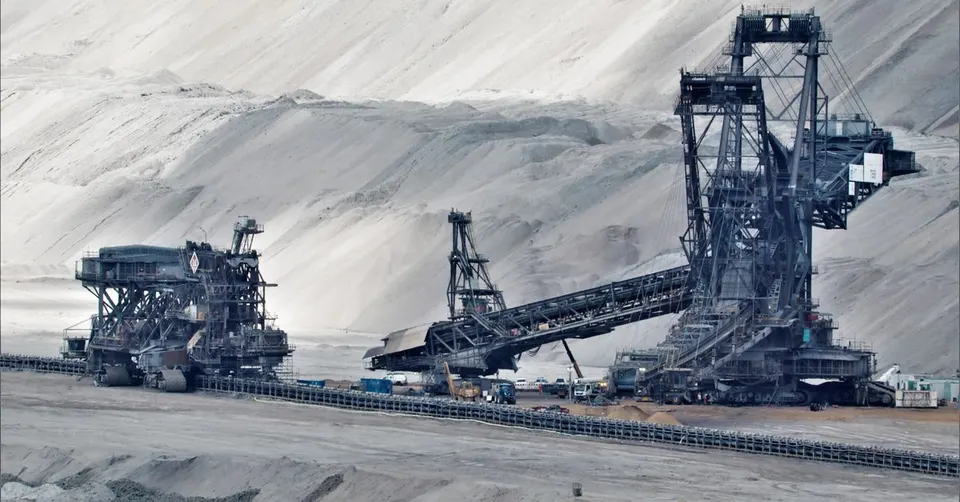
In a move that has sent shockwaves through the global investment community, AustralianSuper, the largest pension fund in Australia, has effectively abandoned its 2020 pledge to divest from fossil fuels. Six years ago, the fund made headlines by dumping its shares in Whitehaven Coal to align with the Paris Agreement’s net-zero targets. However, as of July 2026, the fund has quietly rebuilt its position to become the coal miner’s single largest investor. This pivot highlights a growing trend among institutional investors who are prioritizing immediate financial returns and energy security over long-term environmental, social, and governance (ESG) commitments in an increasingly volatile global economy.
This reversal is not just an isolated incident in the Pacific; it reflects a broader global fatigue with green energy transitions that have often struggled to provide the same level of consistent yield as traditional commodities. For the energy sector, this means that 'dirty' assets are back in favor as reliable hedges against inflation. The decision by AustralianSuper suggests that the idealistic targets set at the start of the decade are being recalibrated against the harsh reality of energy demands and the necessity of maintaining portfolio growth for millions of retirees. This shift could signal a wider retreat from ESG mandates across other major Western financial institutions.
Masked Marches and Political Betting: A Fractured America at 250
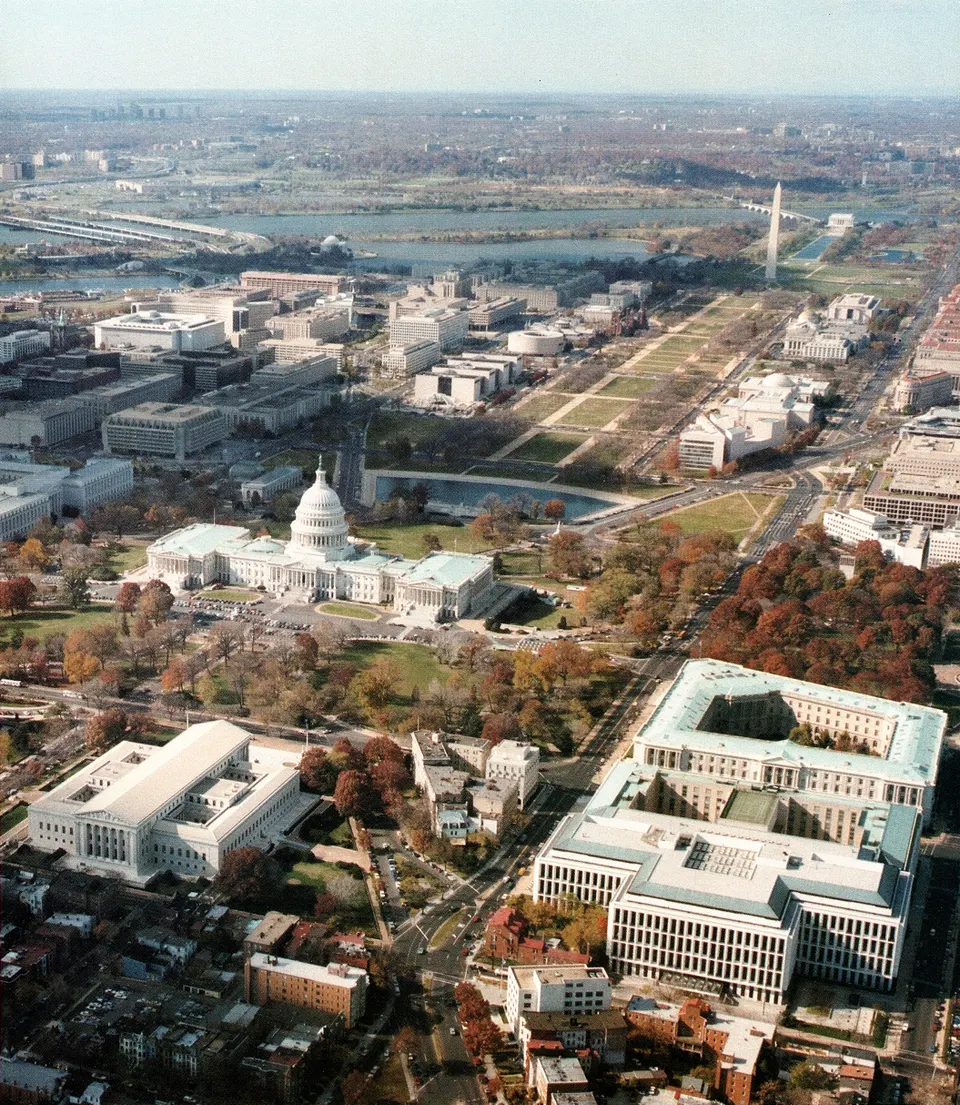
On the 250th anniversary of the United States' founding, the streets of Washington D.C. were the site of a disturbing display of internal division. Hundreds of masked men belonging to the neo-fascist 'Patriot Front' marched toward Capitol Hill, carrying Confederate flags and chanting nationalist slogans. The sight of such a large, organized group of white supremacists in the heart of the capital on Independence Day underscores the deep social and political fractures that continue to plague the U.S. This domestic instability is a key factor for global markets, as it directly influences the risk appetite of international investors and the perceived long-term stability of the U.S. dollar.
Simultaneously, the digital realm is reflecting this political obsession through unregulated betting markets. Despite a formal ban on such activities within the U.S., American-linked wallets have traded over $571 million on Polymarket in the past year, primarily focusing on political outcomes and foreign conflicts. This surge in volume shows that the American public is increasingly using decentralized platforms to express their views on global risks and domestic policy, often bypassing traditional legal frameworks. For the crypto world, this demonstrates the unstoppable nature of stablecoin-powered prediction markets, which are becoming a more accurate (and lucrative) barometer of public sentiment than traditional polling. This combination of physical unrest and digital speculation suggests that the U.S. is entering a period of heightened volatility. As the 2026 political cycle intensifies, the intersection of radicalized domestic movements and high-stakes financial betting will likely create unpredictable ripples in global trade and diplomatic relations. For the Iranian observer, these developments in the 'Great Satan' are not just distant news; they affect the global risk environment and, by extension, the external pressures applied to the Iranian economy and its currency.
Frequently Asked Questions
Why is the IRGC increasing presence in the Strait of Hormuz now?
Why did AustralianSuper return to investing in coal despite net-zero goals?
How is the US political situation affecting the Iranian Toman?
The Strategic Importance of the Strait of Hormuz
The Strait of Hormuz is a narrow waterway that connects the Persian Gulf with the Gulf of Oman and the wider Indian Ocean. At its narrowest point it is only about 21 nautical miles (39 km) wide, yet it carries roughly 20‑25% of the world’s petroleum liquids, including crude oil and condensates, as well as a significant share of liquefied natural gas. This makes the strait a classic example of a maritime chokepoint— a place where a small geographic bottleneck can have outsized effects on global trade.
Iran’s Islamic Revolutionary Guard Corps (IRGC) treats control of the strait as a core element of its geopolitical strategy. The IRGC’s naval forces, the so‑called “IRGC‑Navy,” maintain a fleet of fast attack craft, mines, and anti‑ship missiles capable of threatening commercial shipping. After the death of Supreme Leader Ayatollah Khamenei, the IRGC announced a heightened presence in Hormuz, signalling both a show of domestic resolve and a warning to foreign powers that any perceived weakness could be met with a rapid escalation.
Because so much oil flows through Hormuz, any disruption—whether from a naval incident, a mined vessel, or a deliberate closure—can send shockwaves through global energy markets. Prices of crude oil and related commodities, such as gold, often spike in response to heightened risk premiums. Investors, including large pension funds like AustralianSuper, monitor these geopolitical risks closely; a sudden escalation can force a reassessment of exposure to energy‑intensive assets and may even prompt a temporary shift back to traditional energy sources such as coal.
Looking ahead, the leadership transition in Iran adds another layer of uncertainty. While the new Supreme Leader is expected to maintain the IRGC’s hardline stance, subtle policy shifts could affect how aggressively Tehran defends Hormuz. Market participants therefore keep a close eye on diplomatic signals, naval deployments, and regional events, recognizing that the strait’s strategic importance will continue to shape both geopolitical calculations and financial markets worldwide.