Unfinished Legacy: Khamenei’s Funeral Amid Symbols of Failure and Market Tension
میراث ناتمام؛ تشییع جنازه خامنهای در سایه نمادهای شکست و نوسانات بازار
Tehran transforms for a historic funeral as critics point to the unfinished shrine as a symbol of unfulfilled revolutionary promises. Meanwhile, markets react to the reopening of the Strait of Hormuz and Bitcoin’s struggle to maintain its weekend gains.
At time of publishing
USD
173,550
Toman
Gold 18K
17.73M
Toman / gram
Bitcoin
$62,596
US Dollar
Tether
174,584
Toman
The Symbolism of an Unfinished Shrine
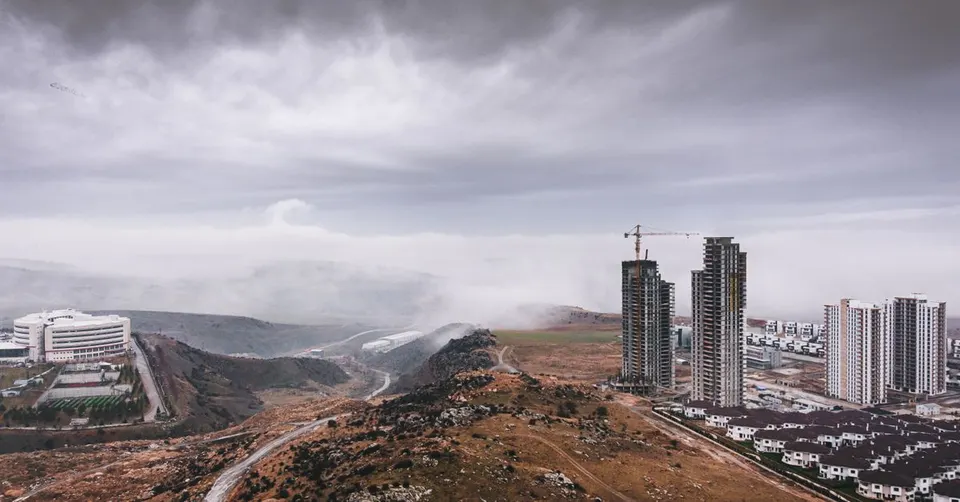
As Tehran transforms for the funeral of Ayatollah Ali Khamenei, the atmosphere in the capital is a complex mix of state-mandated mourning and deep-seated uncertainty. The government is utilizing the massive scale of the proceedings to project an image of strength and continuity, especially after the leader was killed during the opening stages of a direct conflict involving the United States and Israel. However, the venue itself—the vast complex where the leader now lies—has become a flashpoint for criticism. After nearly four decades of construction, the site remains famously unfinished, with scaffolding and raw concrete standing as silent witnesses to the regime's logistical and economic struggles.
For many observers and critics within the country, this architectural stagnation is a perfect metaphor for the unfulfilled promises of the 1979 Revolution and Khamenei’s subsequent decades of rule. While the state media portrays the funeral as a moment of national unity, many Iranians see the skeletal structures of the shrine as representative of a broader systemic failure to provide economic stability and infrastructure. This disconnect between the regime's grandiose ideological claims and the physical reality of its projects is creating a palpable tension among a population already exhausted by the pressures of war and international isolation.
Market Volatility and the Hormuz Reopening
The economic landscape in Iran remains on edge as the funeral rites coincide with significant shifts in global energy routes. In the local currency markets, the USD/IRR exchange rate saw a slight downward adjustment, moving from 174,150 to 173,550 Toman, representing a -0.3% decrease in the dollar's value over the last 24 hours. While this might suggest a brief moment of stabilization, the underlying anxiety remains high. Conversely, gold prices have continued their upward trajectory, with 18k gold per gram rising from 17,643,935 to 17,729,350 Toman, a +0.5% increase. This flight to gold indicates that local investors are still hedging against potential political instability following the leadership transition.
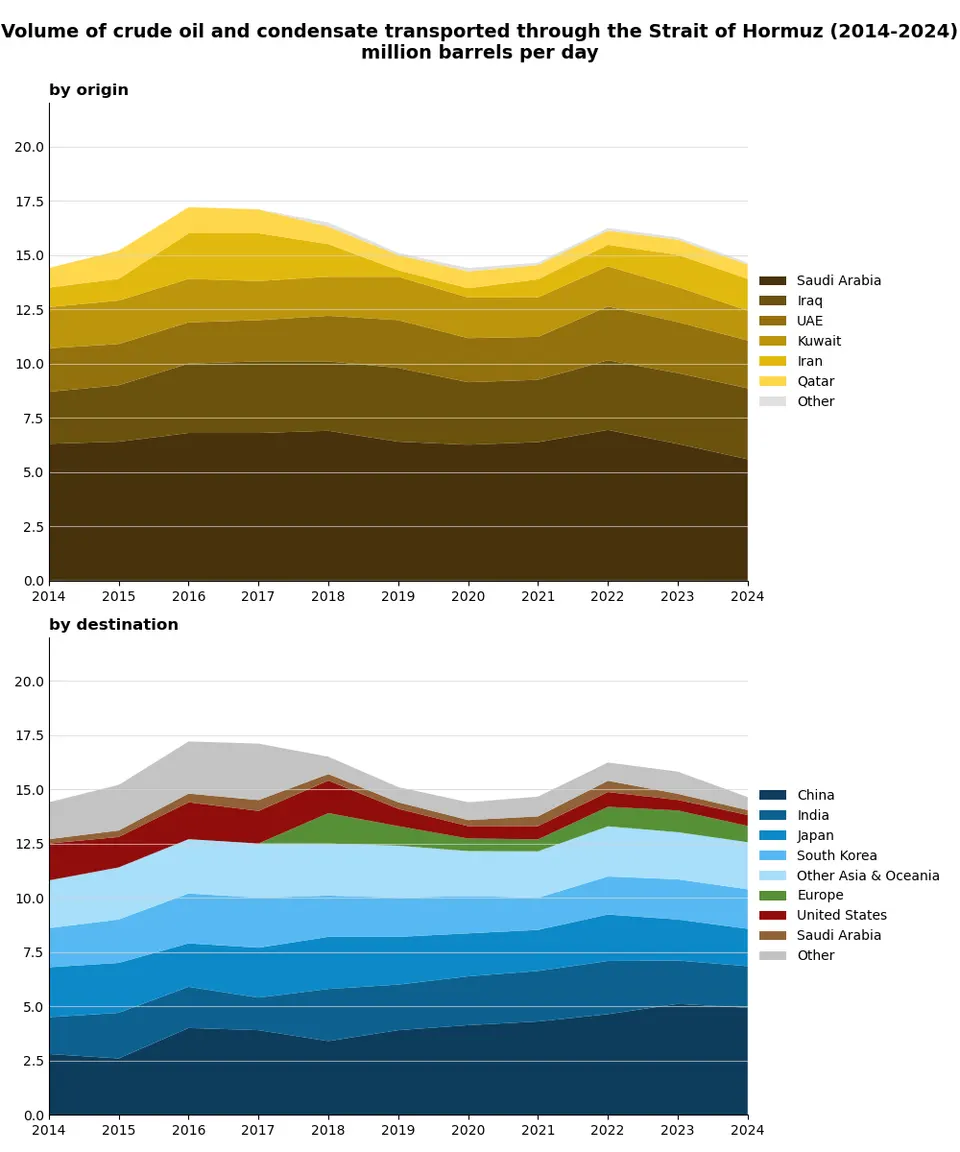
Adding to the complexity is the recent reopening of the Strait of Hormuz. While the restoration of traffic through this vital maritime artery is generally seen as a de-escalation signal, market analysts warn it could pose a new set of problems for the oil market. An immediate surge in supply could lead to a price correction that might hurt Iran's already strained revenue streams. For the average Iranian citizen, these macro-economic shifts translate directly into purchasing power fluctuations. The relative stability of the Toman today is fragile, and any misstep in the succession process or a renewed flare-up in regional hostilities could quickly erase these marginal gains.
Bitcoin’s "Terrible Monday" Warning and AI Cold Wars
In the digital asset space, Bitcoin has flirted with the $63,500 mark over the weekend, reaching its highest level in nearly two weeks. However, seasoned traders are sounding the alarm regarding an "absolutely terrible" track record for Monday price action. There is a growing concern that the weekend's gains are a bull trap, and the lack of institutional support during the Sunday session could lead to a sharp reversal as global markets open on Monday. For Iranian crypto enthusiasts using Tether (USDT) as a hedge, the price of USDT at 174,584 Toman remains a critical benchmark for local liquidity and capital flight sentiment.
Beyond the markets, a new front in the technological cold war has opened up between Alibaba and the AI startup Anthropic. Alibaba has officially banned its staff from using Anthropic’s "Claude" model after it was revealed that the AI provider was actively blocking connections from China. Anthropic has gone further, accusing the Chinese tech giant of deploying 25,000 fake accounts to "distill" or essentially steal data from their models to train Alibaba’s own internal AI systems. This escalation highlights the deepening divide in the global AI ecosystem, where access to high-level reasoning models is increasingly being used as a geopolitical lever, mirroring the sanctions and export controls seen in the semiconductor industry.
Geopolitical Alerts: From French Politics to Pacific Storms
In Europe, the political future of the far-right remains in limbo as Marine Le Pen faces a crucial court ruling that could determine her eligibility for the 2027 presidential race. A previous ban from public office over alleged misuse of EU funds has put her ambitions at risk. Given Le Pen's historical stance on shifting French foreign policy, the outcome of this legal battle is being closely watched in Tehran. A more isolationist or right-leaning France could significantly alter the European Union's collective approach to Iranian sanctions and the nuclear file, potentially providing the new Iranian leadership with a different diplomatic avenue or, conversely, a more hostile European partner.
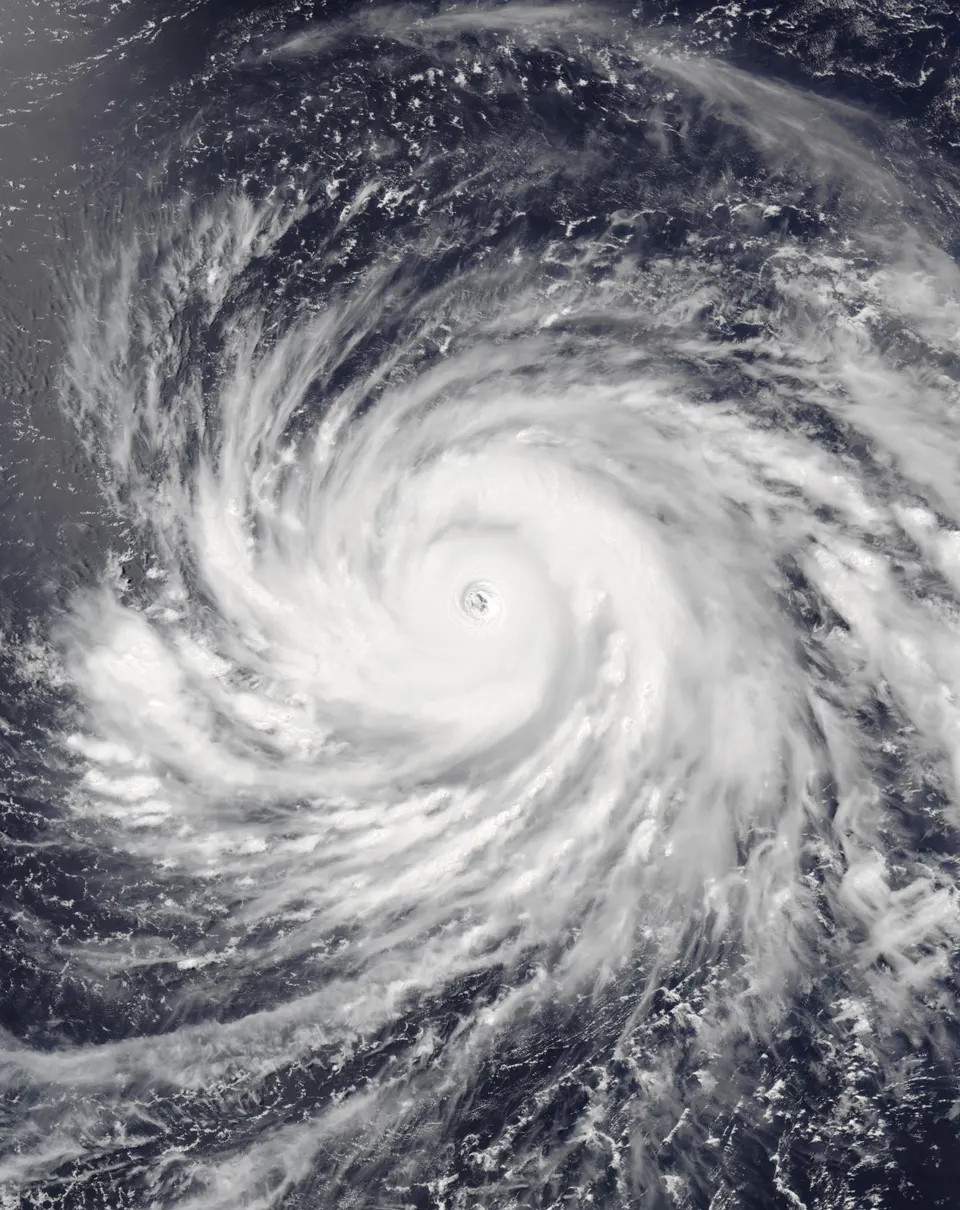
Meanwhile, in the Pacific, a natural disaster of significant proportions is brewing. Super Typhoon Bavi is currently closing in on Guam and the Northern Marianas, with sustained winds projected to reach a devastating 280 kilometers per hour. While geographically distant from the Middle East, such extreme weather events frequently disrupt global shipping lanes and insurance markets, contributing to the general sense of global volatility. For investors, these simultaneous pressures—political upheaval in France, a leadership vacuum in Iran, and environmental catastrophes in the Pacific—underscore the importance of maintaining a diversified and resilient portfolio in an era of constant crisis.
Frequently Asked Questions
Why is the unfinished state of the shrine being discussed now?
How did the Toman react to the funeral and the reopening of the Strait of Hormuz?
What is the 'Monday warning' for Bitcoin traders?
Why did Alibaba ban Anthropic's Claude AI?
Understanding Economic Sanctions: How They Shape Iran’s Economy and Global Markets
Economic sanctions are tools used by countries or international bodies to pressure a target nation into changing policies without resorting to military force. They typically restrict trade, freeze assets, and limit access to international financial systems. In Iran’s case, sanctions imposed by the United States and the European Union have targeted oil exports, banking channels, and even specific individuals, creating a cascade of economic effects that ripple through currency markets, commodity prices, and even the adoption of alternative assets like Bitcoin.
One of the most visible consequences of sanctions is currency devaluation. With limited ability to earn foreign exchange from oil sales, Iran’s central bank struggles to supply dollars for imports, causing the official USD/IRR rate to diverge sharply from the black‑market rate. This gap drives inflation, erodes purchasing power, and pushes Iranians toward hard assets such as gold, which often sees price spikes during periods of heightened sanction pressure. The same dynamics can be observed in the July 2026 market data, where the Iranian rial weakened dramatically while gold prices surged.
Sanctions also reshape trade routes and geopolitical calculations. The temporary closure of the Strait of Hormuz—a critical chokepoint for Iranian oil—exacerbates supply constraints, prompting regional players to seek alternative shipping lanes or to increase reliance on non‑oil exports. These disruptions can amplify market tension, influencing everything from regional stock indices to the price of cryptocurrencies, which some Iranians turn to as a hedge against a sanctioned banking system.
Beyond immediate economic pain, sanctions can have long‑term structural impacts. They incentivize the development of domestic industries and foster partnerships with non‑Western technology firms, such as China’s Alibaba, while also spurring interest in emerging AI platforms like Anthropic. However, the cost of isolation often outweighs these benefits, leading to slower growth, reduced foreign investment, and heightened political uncertainty—factors that become especially salient during leadership transitions, such as the one following Ayatollah Khamenei’s funeral.
Understanding how sanctions work helps explain the complex interplay between geopolitics, currency markets, commodity prices, and technological adoption. While they aim to compel policy change, the side effects can reshape entire economies and influence global financial stability for years to come.