ADNOC's 15-Year LNG Deal with Japan Boosts Energy Ties Amid Global Shifts
قرارداد ۱۵ ساله LNG امارات با ژاپن؛ تقویت روابط انرژی در میان تغییرات جهانی
ADNOC and Japan's Inpex have signed a significant 15-year LNG supply deal, highlighting energy market dynamics. Meanwhile, Iran's actions in the Strait of Hormuz create regional tensions.
At time of publishing
USD
174,900
Toman
Gold 18K
17.67M
Toman / gram
Bitcoin
$63,601
US Dollar
Tether
175,655
Toman
ADNOC Signs 15-Year LNG Supply Deal with Japan’s Inpex
Abu Dhabi National Oil Company (ADNOC) has secured a groundbreaking 15-year liquefied natural gas (LNG) supply agreement with Japan's Inpex Corporation. Starting in 2028, this deal will provide Inpex with 1 million tonnes of LNG annually from the Ruwais LNG project, currently under development in Abu Dhabi. The agreement not only strengthens the long-standing relationship between the two companies but also highlights the strategic importance of energy cooperation between the UAE and Japan.
This deal is significant as it comes at a time when the global energy landscape is shifting rapidly due to geopolitical tensions and the transition towards renewable energy sources. For Japan, which is heavily reliant on energy imports, securing a stable long-term supply of LNG is crucial for its energy security. Meanwhile, for ADNOC, this agreement ensures a steady demand for its LNG output, bolstering its position in the competitive global LNG market.

The deal is expected to have implications for global energy prices, particularly in Asia where Japan is a major consumer of LNG. By locking in a long-term supply, both parties can potentially shield themselves from short-term market volatility, ensuring more predictable pricing and supply.
Iran’s Actions in Strait of Hormuz Heighten Regional Tensions
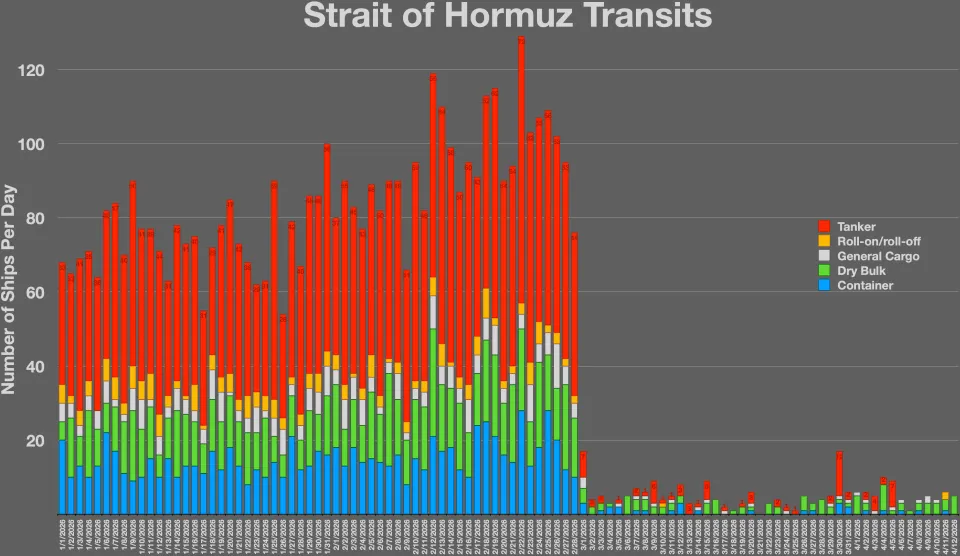
Iran has reportedly targeted commercial ships in the Strait of Hormuz with missile strikes, according to U.S. officials. This development raises serious concerns about the security of one of the world's most critical maritime chokepoints for oil transport. The Iranian government has not commented on these allegations, but the incident underscores ongoing tensions in the region, which could potentially disrupt global oil flows.
The Strait of Hormuz is pivotal for the global oil market, as a significant portion of the world's oil passes through it. Any disruption in this channel can lead to increased oil prices worldwide, affecting everything from transportation costs to the broader economic climate. The recent attacks also put pressure on international diplomatic efforts to maintain peace and stability in the region.
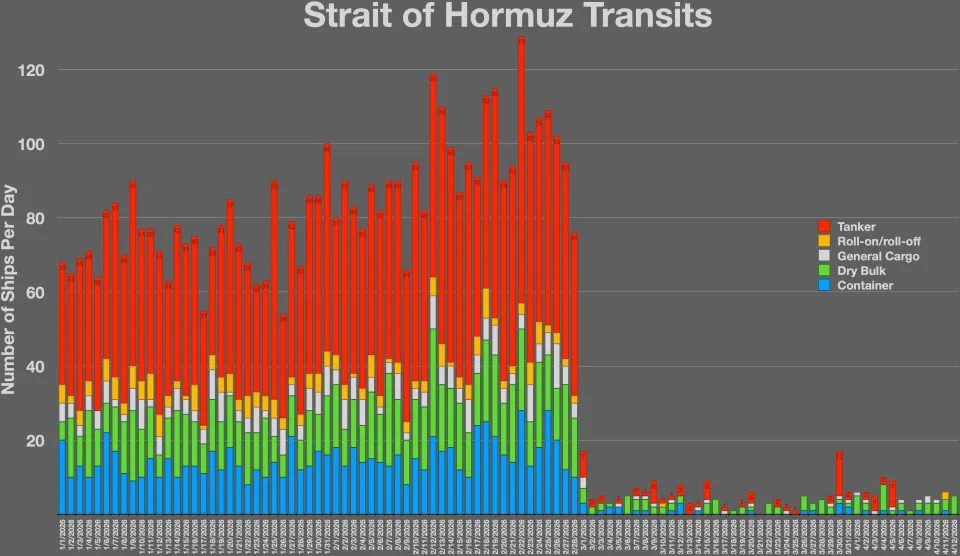
For Iran, actions like these could further isolate it from the international community, potentially leading to increased sanctions and economic repercussions. For countries reliant on oil passing through the strait, this situation necessitates the exploration of alternative routes and sources to mitigate risks associated with geopolitical tensions.
Coinbase Secures UK License to Expand Investment Offerings
In a major development for the cryptocurrency sector, Coinbase has obtained a UK investment services license, enabling it to offer derivatives and equities alongside its existing crypto offerings. This expansion marks a significant step for Coinbase as it seeks to broaden its services and tap into new markets, particularly targeting institutional and advanced retail traders.
The license allows Coinbase to diversify its portfolio by introducing traditional financial instruments to its platform, thus appealing to a wider range of investors. This move is particularly relevant in the context of the growing interest in cryptocurrencies and digital assets as part of diversified investment strategies. For Iranian crypto enthusiasts, who often look to platforms like Coinbase for trading opportunities, this expansion could mean more varied and potentially lucrative investment options.
Moreover, this development could influence the regulatory landscape in other countries as they observe how the integration of traditional financial services with cryptocurrency trading unfolds in the UK. It underscores the ongoing evolution of financial markets where traditional and digital assets increasingly converge.
Iran Defends Legal Position on Strait of Hormuz at IMO
Iran has formally submitted a document to the International Maritime Organization (IMO), rejecting a draft proposal related to the Strait of Hormuz. Iran's submission criticizes the proposal as politically motivated and beyond the council's technical mandate, asserting its legal rights over the strait. This move is part of Iran's broader strategy to assert its influence and control over this crucial maritime passage.
The Strait of Hormuz remains a strategic focal point for Iran, both as a geopolitical lever and an economic asset. By defending its legal position, Iran aims to reinforce its sovereignty claims and challenge any international attempts to limit its control over the strait. For the global community, particularly oil-importing nations, Iran's stance adds a layer of complexity to ensuring the free flow of oil through this vital shipping lane.
Iran's actions at the IMO also reflect the broader geopolitical tensions and its resistance to perceived external pressures. These developments could influence global perceptions of Iran's role in the region and impact future diplomatic negotiations related to Middle Eastern maritime security.
Frequently Asked Questions
What is the significance of the ADNOC and Inpex LNG deal?
How do Iran's actions in the Strait of Hormuz impact global oil markets?
What does Coinbase's UK license mean for crypto investors?
Why is Iran defending its position on the Strait of Hormuz?
How might these developments affect Iranian consumers?
Energy Security and the Strategic Importance of the Strait of Hormuz
Energy security, defined as the uninterrupted availability of energy sources at an affordable price, is a paramount concern for nations globally, especially for energy-dependent economies like Japan. Long-term energy agreements, such as ADNOC's 15-year LNG deal, are strategic maneuvers by importing nations to secure stable supplies, diversify their energy mix, and mitigate the risks of price volatility and supply disruptions. These deals provide predictability in an often turbulent global energy market.
At the heart of many energy security concerns lies the Strait of Hormuz, a critical maritime "chokepoint." Geographically situated between the Persian Gulf and the Gulf of Oman, it is the sole sea passage from the rich oil and gas fields of the Middle East to the open ocean. A staggering one-fifth of the world's total petroleum liquids consumption and a significant portion of liquefied natural gas (LNG) pass through this narrow strait daily, making it indispensable for global energy trade.
The strategic importance of the Strait of Hormuz is amplified by its geopolitical context. Its proximity to Iran, coupled with historical regional tensions, means that any political instability or military confrontation in the area can quickly threaten the free flow of energy. Even the perception of a potential disruption can send shockwaves through global energy markets, leading to sharp price increases and prompting nations to seek alternative supply routes or diversify their energy sources further.
Therefore, while long-term LNG deals like the one between ADNOC and Japan are crucial for securing specific energy supplies, the fundamental vulnerability of critical chokepoints like the Strait of Hormuz remains a central challenge in maintaining global energy security and stability. Understanding this interplay between energy economics and geopolitics is key to comprehending international relations and the dynamics of the global energy market.