NATO Summit Braces for Trump-Zelenskyy Faceoff as Hormuz Oil Traffic Resumes
نشست آنکارا در انتظار دیدار ترامپ و زلنسکی؛ بازگشت نفتکشهای سعودی به تنگه هرمز
NATO leaders gather in Ankara to overhaul defense spending and surveillance, while four million barrels of Saudi crude finally transit the Strait of Hormuz. Meanwhile, the gold market shows resilience as Emami coins rise 1.4% amid regional mourning.
At time of publishing
USD
174,750
Toman
Gold 18K
17.67M
Toman / gram
Bitcoin
$63,007
US Dollar
Tether
175,243
Toman
NATO Summit in Ankara: A Shift in Global Defense Strategy
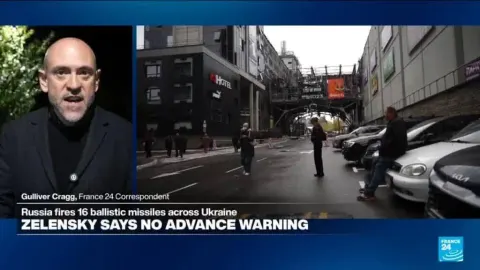
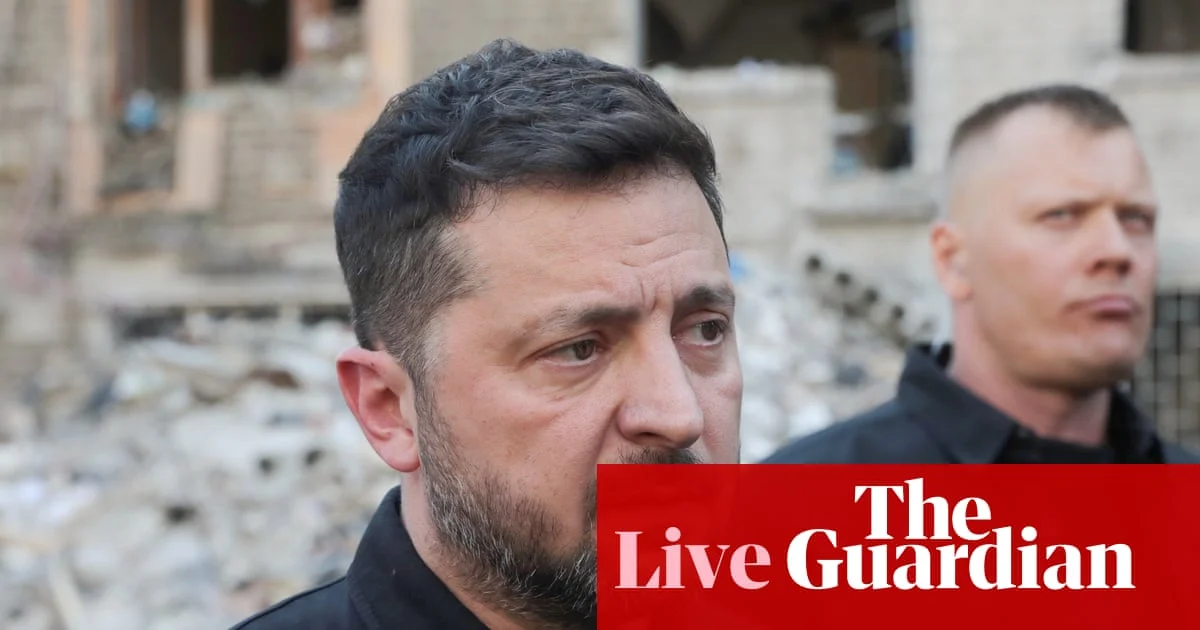
The 32-member NATO alliance has convened in Ankara at a moment of profound geopolitical friction, with the spotlight firmly fixed on a high-stakes meeting between Ukrainian President Volodymyr Zelenskyy and Donald Trump. As the alliance grapples with internal pressure to hike defense spending, NATO Secretary General Mark Rutte has signaled a pivot toward European-made technology. In a notable snub to American aerospace giant Boeing, the alliance announced the purchase of Saab GlobalEye surveillance aircraft to replace its aging AWACS fleet. This $40 billion investment in anti-drone capabilities and early warning systems underscores a growing desire for European strategic autonomy, even as the shadow of US political shifts looms over the summit.
For Iranian observers, this summit is more than a distant diplomatic exercise. The discussions regarding defense spending and the potential for a Trump-led shift in US foreign policy directly impact the regional security architecture. If NATO moves toward a more aggressive defense posture or if US-Ukraine relations are redefined, the ripple effects will be felt in the Levant and the Persian Gulf. The hype videos and dynamic branding accompanying these announcements suggest an alliance trying to project strength and modernization during a period of extreme uncertainty regarding its future leadership and commitments.
Energy Markets: The Strait of Hormuz Sees Renewed Traffic
In a significant development for global energy security, traffic through the Strait of Hormuz is showing signs of recovery following a period of intense disruption. Two Very Large Crude Carriers (VLCCs), operated by Japanese firms Nippon Yusen KK and Kawasaki Kisen Kaisha, are currently transiting the vital waterway carrying approximately 4 million barrels of Saudi crude. These vessels had been effectively stranded since early March when regional tensions led to a temporary shutdown of traffic. The movement of these tankers is being viewed by markets as a tentative de-escalation, or at least a pragmatic return to commercial necessity, as Gulf exporters look to clear backlogs of crude that have sat idle for months.
However, this resumption of traffic comes at a cost for producers. To entice buyers back to the region, Saudi Arabia and other Gulf exporters have been forced to slash official selling prices. Some discounts have reached as much as $11 per barrel, the sharpest cut in decades. This price war reflects a shift in market power toward Asian buyers, who now have the upper hand as they weigh the risks of Middle Eastern supply against cheaper alternatives. For the global economy, this influx of supply could provide a necessary buffer against inflation, though the underlying geopolitical risks remain a permanent fixture of the trading environment.

Iranian Markets and the Domestic Climate of Mourning
Inside Iran, the atmosphere is dominated by the massive funeral processions for the late Leader of the Islamic Revolution, Ayatollah Seyyed Ali Khamenei. As a human tide flows through the streets of Tehran toward Azadi Square, the government has dispatched 15 relief teams from the Khuzestan Red Crescent to Iraq to manage the logistical challenges of the cross-border mourning ceremonies. This period of national transition is being closely monitored by local investors, who traditionally look to gold and hard currency as hedges against domestic uncertainty. State media has focused heavily on the scale of the public response, portraying the events as a show of national unity during a critical juncture for the Islamic Republic.
In the markets, the response has been relatively measured but notable. The USD/IRR rate remained stable at 174,750 Toman, showing no movement over the last 24 hours. However, the gold market saw divergent trends: while 18k gold dipped slightly to 17,673,946 Toman per gram (-0.2%), the Emami coin rose from 177,000,000 to 179,500,000 Toman, a 1.4% increase. This rise in coin prices often reflects a surge in local demand for physical assets during times of political transition. Meanwhile, international markets are watching a bizarre "valuation chasm" in the SpaceX IPO, where lead underwriters Goldman Sachs and Morgan Stanley are reportedly $1 trillion apart in their estimates—a reminder that even in a world of high-stakes geopolitics, the tech sector's speculative fervor remains undiminished.

Global Housing and the Economic Shadow of Conflict
An unexpected signal of economic resilience appeared in the United Kingdom, where house prices rose for the first time since the onset of the conflict involving Iran. According to the Lloyds house price index, the typical property value reached £299,330 in June, a 0.2% monthly increase. This modest growth suggests that despite the global shockwaves caused by regional warfare, domestic markets in the West are beginning to find a floor. Analysts suggest that the initial panic that froze the real estate market is thawing, as buyers adjust to a "new normal" of geopolitical volatility and fluctuating energy costs.
This recovery in the UK property sector mirrors a broader trend where markets are attempting to decouple from headline-grabbing conflicts. While the annual growth rate remains slim at 0.6%, the move into positive territory is a psychological milestone. It indicates that even as world leaders debate defense budgets in Ankara and oil tankers navigate precarious straits, the underlying machinery of the global economy—driven by housing, credit, and consumer demand—is attempting to reassert itself. For the average observer, this signifies that while the risks of war are high, the global financial system is proving more adaptable than many feared at the start of the year.
Watch
Erdogan hosts NATO: A difficult, but indispensable ally? | DW News
DW News
Frequently Asked Questions
Why did NATO choose Saab over Boeing for its new surveillance fleet?
What does the 1.4% rise in Emami coin signify for the Iranian market?
How is the resumption of oil traffic in the Strait of Hormuz affecting prices?
Understanding Maritime Chokepoints and Global Energy Security
In an interconnected world, certain narrow sea lanes hold disproportionate importance for global trade and energy supply. These critical passages are known as maritime chokepoints. A prime example, and one frequently in the news, is the Strait of Hormuz. These chokepoints are bottlenecks through which a significant volume of global maritime traffic must pass, making them strategically vital and highly vulnerable to disruption. Their security is paramount for maintaining stable international markets and geopolitical stability.
The Strait of Hormuz is arguably the world's most critical oil transit chokepoint, connecting the Persian Gulf's vast oil and natural gas producers (like Saudi Arabia, Iran, UAE, Kuwait, and Qatar) to the Arabian Sea and then to global markets. Roughly one-fifth of the world's total petroleum liquids consumption, and a substantial portion of global liquefied natural gas (LNG), transits through this 21-mile wide waterway. Its unique geographical position means there are very few viable alternative routes for this massive energy flow, making any disruption here a global concern.
The strategic importance of the Strait of Hormuz means that any threat or disruption, whether from geopolitical tensions, military conflict, or even piracy, can have immediate and far-reaching consequences. Such incidents can trigger sharp spikes in global oil prices, destabilize energy markets, and send ripples through the world economy. For nations reliant on imported energy, the security of chokepoints like Hormuz is directly linked to their economic stability and national security, underscoring why international efforts often focus on ensuring their free and safe passage. The news of "Hormuz Oil Traffic Resumes" highlights the constant vigilance required for such vital arteries of global commerce.