US Affordability Crisis Deepens as Emami Coin Surges 1.4% Amid Regional Explosions
بحران معیشتی در آمریکا و جهش ۱.۴ درصدی سکه امامی همزمان با انفجارهای دمشق
A new poll reveals 95% of Americans are struggling with an affordability crisis, while in Tehran, the Emami coin has jumped to 179.5 million Toman despite a slight dip in global gold. Meanwhile, explosions in Damascus during President Macron's visit have reignited regional security concerns.
At time of publishing
USD
174,900
Toman
Gold 18K
17.67M
Toman / gram
Bitcoin
$63,142
US Dollar
Tether
175,361
Toman
The American Affordability Crisis and Global Sentiment
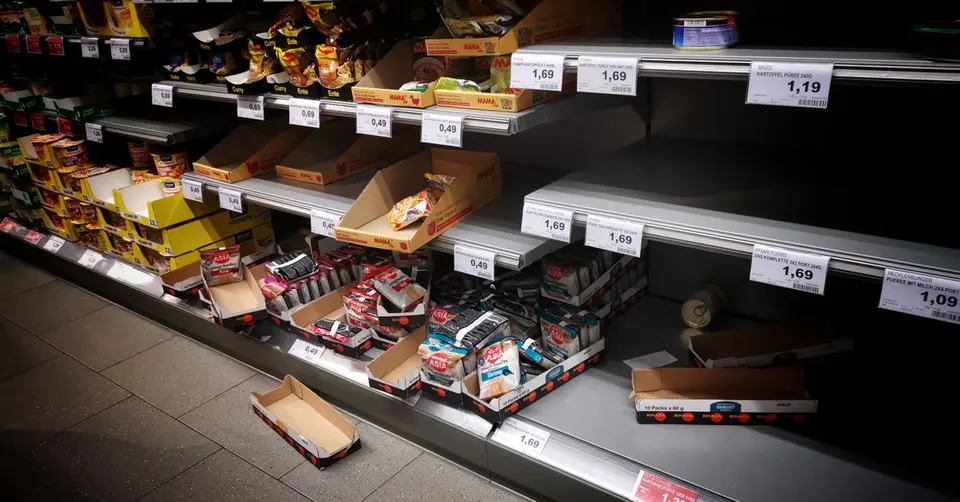
A staggering new survey conducted by Harris Poll for The Guardian has revealed a grim reality for the world's largest economy: approximately 95% of Americans believe the United States is currently gripped by an affordability crisis. The data suggests that over half of the population—roughly 57%—perceive the economy as actively worsening, with the rising costs of basic necessities like groceries and gasoline serving as the primary pain points. This sentiment persists despite macroeconomic indicators that often tell a more nuanced story, highlighting a profound disconnect between high-level statistics and the daily lived experience of the average consumer.
For international observers and Iranian market participants, this domestic instability in the U.S. is more than just a political talking point ahead of the midterm elections. It signals a potential shift in global risk appetite and consumer spending. If the American consumer, the traditional engine of global growth, continues to pull back due to cost-of-living pressures, the ripple effects will be felt in everything from energy demand to the valuation of the U.S. Dollar. In Tehran, traders often look to U.S. economic health as a barometer for future sanction pressures and the strength of the greenback, making this "affordability crisis" a key factor in long-term currency expectations.
Tehran Markets: Emami Coin Defies Global Gold Dip
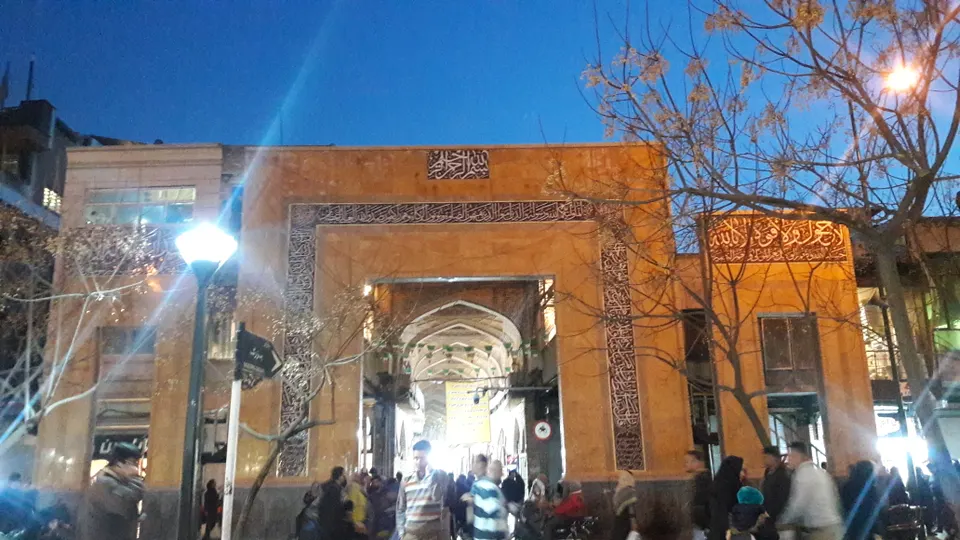
While the international gold price has seen a minor retreat, the local market in Tehran is telling a different story of speculative demand and hedging. In the last 24 hours, the price of 18k gold per gram moved from 17,706,265 to 17,671,637 Toman, marking a slight decrease of 0.2%. However, the Emami coin has significantly decoupled from this trend, surging from 177,000,000 to 179,500,000 Toman, a notable increase of 1.4%. This rise in the coin premium suggests that local investors are increasingly seeking the liquidity and "safety" of minted coins over raw gold, likely in response to escalating regional tensions.
In the currency market, the U.S. Dollar has remained relatively stable but showed a slight upward bias, moving from 174,750 to 174,900 Toman (+0.1%). This stability in the face of regional volatility is a testament to the current tight management of the market, though the rising premium on gold coins indicates that the public's inflation expectations remain elevated. When the gap between the intrinsic gold value of a coin and its market price widens—as we are seeing now—it usually reflects a "fear premium" driven by geopolitical headlines rather than pure economic fundamentals.
Escalation in Damascus: Macron’s Visit Marred by Blasts
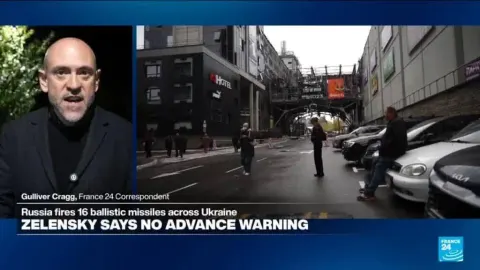
Geopolitical risks returned to the forefront this hour following reports of multiple explosions in Damascus, Syria, which have reportedly injured at least 18 people. The timing of these blasts is particularly sensitive, occurring while French President Emmanuel Macron was visiting the Syrian capital to meet with officials. While the Syrian presidency stated that meetings continued as planned, the incident underscores the fragile security environment in the Levant and the persistent threat of proxy escalations that can quickly impact regional energy corridors and shipping routes.
This incident follows a string of other security failures across the globe, including the discovery of a suspect in a Monaco bomb attack, Anastasiia Berezovska, who was found dead in Ukraine. For the Iranian economy, instability in Syria often translates to immediate fluctuations in the "informal" currency market, as traders price in the risk of broader regional involvement. The persistence of such flashpoints, combined with reports of strikes on commercial ships in the Gulf, keeps the cost of shipping and insurance high, ultimately feeding back into the domestic inflation that Iranian consumers face at the checkout counter.
Economic Recessions and the Rise of the 'Plan B' Military
In Europe, the economic downturn is reshaping the career paths of an entire generation. In Germany, the Bundeswehr (the federal defense forces) has seen a 23% surge in applications as young people from Gen Z increasingly view military service as a reliable "Plan B" amid a deepening industrial recession. With thousands of jobs being slashed across Germany’s manufacturing sector, the stability of a government paycheck is outweighing the traditional hesitation toward military life. This shift highlights how persistent inflation and stagnant growth are forcing a realignment of social and economic priorities in the West.

Meanwhile, in the financial markets, Goldman Sachs has identified a specific class of global stocks—dubbed the "HALO" trade—that are successfully resisting the disruption caused by Artificial Intelligence. These companies benefit from high barriers to entry and established moats that prevent them from being easily replaced by automated systems. As the initial hype around AI begins to face the reality of earnings performance, investors are pivoting back to these "defensive" tech and service giants. For Iranian investors looking at the global stage, this emphasizes the importance of identifying assets with structural advantages rather than merely following the latest technological trends.
Frequently Asked Questions
Why is the Emami coin rising while global gold is falling?
What does the US affordability crisis mean for the Iranian Toman?
How did the Damascus explosions affect the regional markets?
What is the 'HALO' trade mentioned by Goldman Sachs?
The Role of Gold as a Safe Haven in Sanctioned Economies
In times of economic uncertainty, particularly in countries facing international sanctions and high inflation, citizens often seek ways to protect their wealth from the depreciation of their national currency. This phenomenon, known as currency hedging, takes on a unique form in economies like Iran, where access to global financial markets is restricted and the local currency, the Iranian Rial (IRR), experiences significant volatility. When headlines report a surge in assets like the "Emami Coin," it's often a direct reflection of this fundamental economic behavior.
The Emami Coin is a specific type of gold coin minted in Iran, and its price in Iranian Rial is a crucial indicator of economic sentiment within the country. Unlike many global currencies, the Iranian Rial is heavily influenced by geopolitical tensions, international sanctions, and domestic economic policies, all of which can lead to rapid depreciation against major foreign currencies like the US Dollar. When the Rial loses value, the purchasing power of ordinary citizens diminishes, making everyday goods more expensive and deepening an "affordability crisis."
In such an environment, gold and other tangible assets become highly attractive as a store of value. Gold has historically been regarded as a universal safe-haven asset, meaning its value tends to hold up or even increase during periods of economic and political instability. For Iranians, with limited access to foreign currency markets and a strong cultural affinity for gold, buying Emami coins or physical gold is a primary method to hedge against inflation and the declining value of the Rial. It's a way to convert depreciating paper money into something with perceived intrinsic and stable worth.
Consequently, a surge in the price of the Emami Coin in the Tehran gold market directly signifies a loss of confidence in the national currency and a flight to safety. This increased demand drives up the price of gold in local currency terms, effectively serving as an unofficial barometer of the Rial's real-world value and inflationary pressures. Understanding this dynamic is key to interpreting economic news from regions under sanctions, where traditional economic indicators might not fully capture the public's financial anxieties and coping mechanisms.