Trump Scraps Iran Ceasefire in Ankara; Toman Plummets as Oil and Gold Prices Surge
پایان آتشبس از زبان ترامپ در آنکارا؛ سقوط تومان و جهش قیمت نفت و طلا
Tensions have reached a breaking point as Donald Trump declared the Iran ceasefire 'over' during a heated NATO summit in Ankara. The announcement, coupled with new US strikes and the revocation of oil sanctions waivers, has sent the Iranian Toman tumbling past 180,000 per dollar.
At time of publishing
USD
180,050
Toman
Gold 18K
17.87M
Toman / gram
Bitcoin
$62,198
US Dollar
Tether
179,052
Toman
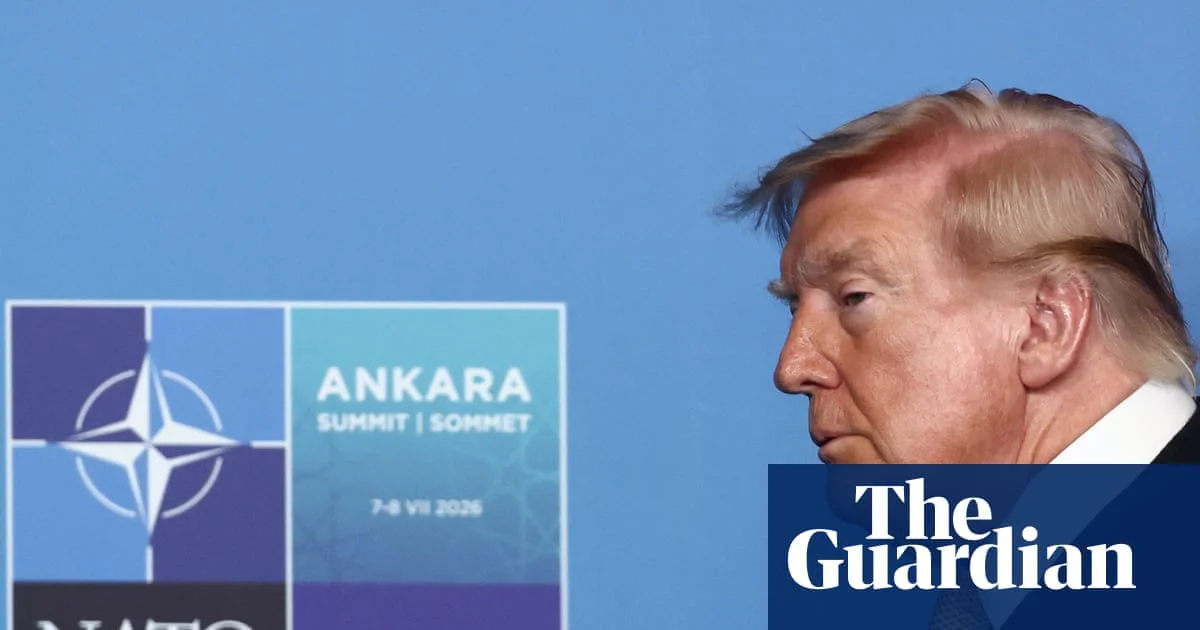
Trump Declares Ceasefire 'Over' in Scathing Ankara Speech
In a dramatic escalation at the NATO summit in Ankara, President Donald Trump has officially declared the fragile ceasefire between the United States and Iran to be at an end. Speaking alongside NATO Secretary General Mark Rutte, Trump used characteristically blunt language, labeling the Iranian leadership as "scum" and "vicious, violent people." This rhetorical firestorm follows reports of renewed US military strikes near the Strait of Hormuz and the immediate revocation of a temporary sanctions waiver that had previously allowed Iran to export oil. The April truce, which many hoped would stabilize the region, appears to have completely disintegrated under the weight of repeated violations and mutual distrust.
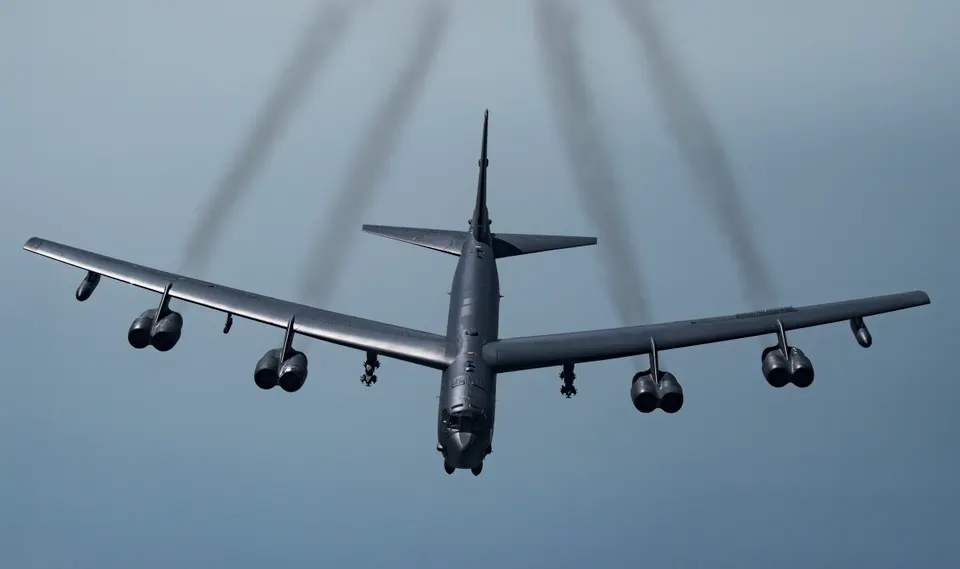
The implications of this shift are immediate and severe. By revoking the oil sanctions waivers, the US Treasury is effectively attempting to push Iranian crude exports back toward zero, a move that has already caused nearly 63 million barrels of crude to be stranded at sea. While Trump hinted that some form of communication might continue, his aggressive stance toward NATO allies—threatening to cut trade with Spain over defense spending and renewing bizarre demands for the purchase of Greenland—suggests a White House that is prioritizing a "maximum pressure" campaign on multiple fronts simultaneously. The international community now braces for a potential hot conflict in the Persian Gulf as naval assets are repositioned.
Toman Hits 180,000 as Market Panic Sets In
The domestic reaction in Iran has been swift and punishing for the local currency. Over the last 24 hours, the USD/IRR exchange rate surged from 175,800 to 180,050, marking a significant 2.4% depreciation of the Toman. This breach of the 180,000 psychological barrier reflects deep-seated fears among traders that the return of full-scale sanctions will further choke the economy. Gold prices have followed suit, with 18k gold rising 1.3% to 17,874,786 Toman per gram, and the Emami coin climbing 1.1% to reach 181,000,000 Toman. For ordinary Iranians, this volatility translates into immediate inflationary pressure on essential goods and a renewed rush toward hard assets.
Globally, the energy markets are reeling from the news. Oil prices jumped over 5% to reach a two-week high immediately following Trump's remarks. The threat of a closed or contested Strait of Hormuz, combined with the removal of Iranian supply, has created a supply-side shock that analysts fear could be sustained. While Bitcoin remains relatively stable at $62,198, the traditional safe havens of gold and the US dollar are seeing the most aggressive inflows as investors flee the uncertainty of the Middle Eastern theater. The economic "ceasefire dividend" that many had priced into the markets since April has now been entirely erased.

Global Ripples: From NATO Defense to British 'Farce'
While the Iran-US conflict dominated the headlines, the NATO summit also highlighted deepening fractures within the Western alliance. Trump’s renewed interest in Greenland prompted a sharp response from Danish Prime Minister Mette Frederiksen, who asserted that Denmark would defend "every inch" of NATO territory, including the Arctic island. This sideshow, while seemingly absurd, underscores the erratic nature of current US foreign policy, which is simultaneously challenging adversaries in the Middle East and traditional allies in Europe. Meanwhile, in the US, domestic politics remains in flux as Senator Bernie Sanders calls for Graham Platner to exit the Maine Senate race, adding another layer of uncertainty to the upcoming political cycle.
In the United Kingdom, the political landscape is taking on a surreal quality as Nigel Farage’s Reform UK faces an unconventional challenge in the Clacton by-election. Count Binface, a satirical candidate, was featured on the BBC's Today programme, highlighting what some critics call a "farce" in the current democratic process. However, the seriousness of the economic climate was underscored by British housebuilder Vistry, which warned of significant losses due to heavy discounting on unsold homes. This suggests that even far from the front lines of the Middle East, high interest rates and weakening consumer confidence are beginning to take a structural toll on major Western economies.
Watch
From Spain trade to Greenland threats: Key points from Trump's NATO comments • FRANCE 24 English
FRANCE 24 English
Frequently Asked Questions
Why did Donald Trump declare the Iran ceasefire over?
How has the Iranian Toman responded to the news?
What is happening to global oil prices?
Understanding the Geopolitical Risk Premium in Commodity Markets
The news of geopolitical shifts, such as the scrapping of an international ceasefire, often sends immediate ripples through global financial markets, particularly affecting commodity prices and national currencies. A key concept that helps explain these rapid movements is the Geopolitical Risk Premium. This refers to the additional cost built into the price of a commodity, most notably oil, to account for the potential for supply disruptions due to political instability, conflict, or policy changes in crucial producing or transit regions. It's not just about actual supply cuts; it's about the market pricing in the risk of future disruptions.
When events like potential strikes in the Strait of Hormuz or the re-imposition of oil sanctions loom, the market anticipates a reduction in future supply or an increase in the cost of securing that supply. Even if no immediate physical disruption occurs, the heightened uncertainty prompts traders and investors to demand a higher price for oil. This "risk premium" reflects the collective fear that supply could be curtailed, driving up prices even before any barrels are actually taken off the market. The magnitude of this premium depends on the perceived likelihood and severity of the geopolitical event.
The impact extends beyond commodities. For economies heavily reliant on the affected commodity, like Iran with its oil exports, increased geopolitical risk can trigger severe currency depreciation. As international confidence wanes and the threat of economic isolation grows, capital tends to flee, leading to a sharp drop in the value of the national currency, such as the Toman. Conversely, assets traditionally seen as "safe havens," like gold, experience a surge in demand. Investors flock to gold as a store of value during times of heightened uncertainty and currency volatility, seeking to protect their wealth from potential economic shocks and inflation.
Therefore, the simultaneous plummeting of the Toman, the surge in oil prices, and the rise in gold prices following major geopolitical news are not coincidental. They are direct manifestations of the geopolitical risk premium at play, illustrating how political decisions and regional tensions translate almost instantly into tangible economic consequences across global markets.