Trump Declares Iran Ceasefire 'Over' at NATO Summit; USD and Gold Surge in Tehran as Conflict Escalates
پایان رسمی آتشبس با ایران در اجلاس ناتو؛ جهش قیمت دلار و طلا در پی تهدیدهای جدید ترامپ
President Trump has officially declared the ceasefire with Iran over during a chaotic NATO summit, triggering a 1.9% jump in the USD/IRR rate. As oil prices spike 6% and regional strikes continue, the 'war premium' is back in full force for Iranian markets.
At time of publishing
USD
179,100
Toman
Gold 18K
17.91M
Toman / gram
Bitcoin
$62,098
US Dollar
Tether
180,304
Toman
Trump Blows Up NATO Summit as Iran Ceasefire Collapses
President Donald Trump has set the NATO summit in Ankara ablaze with a series of aggressive declarations, most notably stating that the preliminary ceasefire with Iran is "officially over." Speaking to allies and the press, Trump signaled a return to a high-confrontation stance following a series of retaliatory strikes between U.S. and Iranian forces in the Gulf. This collapse of the truce ends a brief period of diplomatic hope and replaces it with the immediate threat of expanded regional conflict. Trump’s rhetoric didn't stop at Tehran; he lashed out at European allies, labeling Spain "hopeless" for its lack of military cooperation and renewing his demand for the United States to take control of Greenland, further straining Western alliances.
The implications for the Iranian economy are both immediate and severe. The "war premium" has returned to the markets with a vengeance, as evidenced by the USD/IRR sell rate jumping from 175,800 to 179,100 Toman, a 1.9% increase in just 24 hours. Gold has followed a similar trajectory, with 18k gold rising 1.5% to reach 17,909,414 Toman per gram. Investors who were betting on a de-escalation are now scrambling to hedge against a potential full-scale blockade or further military strikes, leading to a flight toward hard currency and physical gold coins as confidence in a diplomatic solution evaporates.

Regional Strikes and the Energy Chokepoint
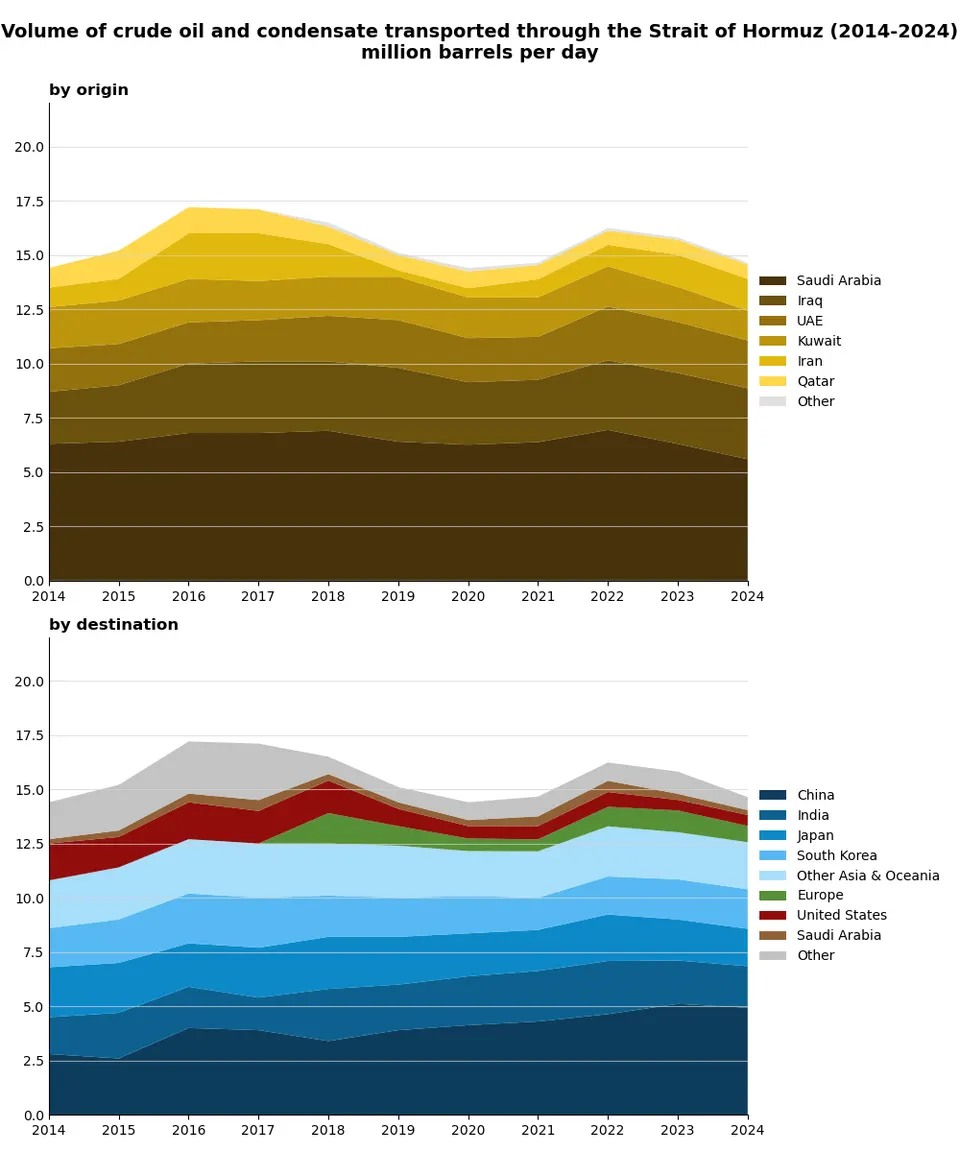
While the diplomatic stage is in chaos, the tactical situation on the ground has escalated into direct kinetic engagement. Iran’s armed forces confirmed they targeted U.S. military sites in Bahrain and Kuwait in response to recent American attacks. While local authorities in those Gulf nations are working to restore power to residential areas following the strikes, the strategic damage is significant. The Strait of Hormuz, the world’s most critical oil artery, is seeing "thin" tanker traffic as shipping companies reassess the risk of moving through the chokepoint. This uncertainty has sent global energy markets into a tailspin, with Brent crude futures spiking 6% to trade near $78.58.
For the average Iranian citizen, this escalation translates to heightened inflation and a sense of "pre-war" anxiety. The Emami coin has already reacted, moving from 179,000,000 to 181,000,000 Toman (+1.1%). If the Strait of Hormuz becomes a primary combat zone, the supply chain for essential goods into Iran could be severely hampered, further devaluing the Toman. The current price action in the currency market suggests that traders are pricing in a long-term disruption rather than a temporary flare-up, as the prospect of a negotiated peace deal by August now looks increasingly unlikely.
US Political Instability Adds Fuel to the Fire
Adding another layer of complexity is the deepening political instability within the United States. President Trump’s "policy mayhem" is reportedly causing friction even among his base, as voters begin to blame his erratic foreign policy for domestic economic troubles. Simultaneously, the Democratic party is facing its own internal crisis; Senator Bernie Sanders has called for a nominee to drop out in the Maine Senate race, while rumors swirl about the health of 84-year-old Republican leader Mitch McConnell. This domestic preoccupation in Washington means that U.S. foreign policy toward Iran is likely to be driven by short-term political posturing rather than a coherent long-term strategy.
This "chaos factor" in Washington is a double-edged sword for Tehran. On one hand, a distracted U.S. administration might struggle to coordinate a unified international response; on the other, it increases the risk of military escalation used to distract from political scandals at home. For market participants in Iran, this means that traditional indicators are less reliable. The market is now reacting to headlines and social media posts in real-time, making the USD/IRR exchange rate more volatile than it has been since the start of the 2026 tensions. The lack of a steady hand in Washington ensures that the geopolitical risk premium will remain embedded in Iranian prices for the foreseeable future.
Watch
BREAKING: Trump declares Iran ceasefire is 'OVER'
Fox News
Frequently Asked Questions
Why did Donald Trump declare the ceasefire with Iran is over?
How has the Iranian currency market reacted to the NATO summit news?
What is the current situation in the Strait of Hormuz?
Understanding Safe-Haven Assets During Geopolitical Instability
In times of heightened geopolitical tension or economic uncertainty, certain investments become highly sought after. These are known as safe-haven assets: financial instruments or commodities that are expected to retain or even increase in value during periods of market turmoil. Unlike riskier assets like stocks, which often plummet during crises, safe havens are perceived as reliable stores of value, offering a refuge for capital when the global outlook darkens.
The appeal of safe-haven assets stems from their perceived stability and liquidity. Gold, for instance, has been a universal store of value for millennia, largely independent of any single government or financial system. Major reserve currencies like the U.S. Dollar (USD), Japanese Yen (JPY), and Swiss Franc (CHF) are also considered safe havens due to the stability of their issuing countries' economies and their deep, liquid markets. Government bonds from highly stable nations, particularly those with strong credit ratings, can also fall into this category, offering a guaranteed return in times of uncertainty.
The headline's mention of USD and gold surging in Tehran as conflict escalates perfectly illustrates this phenomenon. When geopolitical tensions involving Iran rise, and a ceasefire is declared 'over,' investors and ordinary citizens alike in the region lose confidence in their local currency, the Iranian Rial (or Toman). They rush to convert their wealth into more stable assets like physical gold or foreign currency, predominantly the U.S. Dollar. This sudden surge in demand for USD and gold within Iran causes their prices to rise sharply against the local currency, leading to a rapid devaluation of the Rial/Toman.
This flight to safe havens has significant implications for an economy. While it protects individual wealth, it can exacerbate currency depreciation, fuel inflation, and make imports more expensive, further destabilizing the local economy. Understanding the dynamics of safe-haven assets is crucial for comprehending how financial markets react to political events and why certain currencies and commodities perform as they do during crises.