Trump Declares Iran Ceasefire 'Over' as Markets Tumble; Political Tensions Flare in London and Havana
پایان آتشبس ترامپ با ایران و ریزش بازارهای جهانی؛ تنشهای سیاسی در لندن و اعتراضات در کوبا
The fragile geopolitical balance shattered as Donald Trump declared the U.S.-Iran ceasefire dead, causing Bitcoin to drop to $62,000 and the Toman to weaken. Meanwhile, the UK government faces a domestic crisis over prisoner releases while Cuba descends into unrest following massive power grid failures.
At time of publishing
USD
178,700
Toman
Gold 18K
17.84M
Toman / gram
Bitcoin
$62,066
US Dollar
Tether
180,405
Toman
Westminster Clashes: PMQs Heat Up Over Security and Domestic Policy
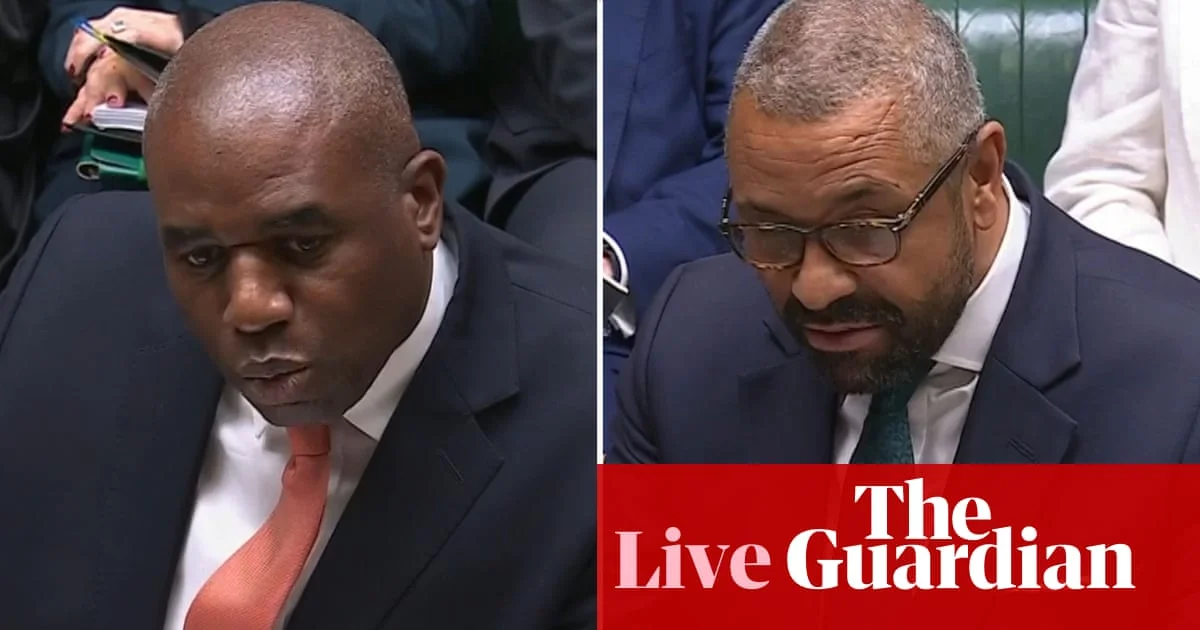
At 15:00 Tehran time, the British Parliament became a theater of intense political friction as Shadow Housing Secretary James Cleverly faced off against Deputy Prime Minister David Lammy during Prime Minister’s Questions. The debate centered on the government's controversial early prisoner release scheme, which Cleverly labeled as "wrong and dangerous." This domestic friction comes at a time when the UK's leadership is already stretched thin, with Keir Starmer attending a pivotal NATO summit where global security is being redefined. The internal bickering over public safety and judicial integrity highlights a growing sense of instability within the major Western powers, which often translates into diplomatic hesitation on the world stage.
For observers in the Middle East, these parliamentary disputes are more than just British internal affairs. They signal a potential shift in how the UK handles its international commitments and security partnerships. If the British government remains bogged down by domestic crises—ranging from money laundering investigations involving high-profile figures like Nigel Farage to judicial failures—its capacity to act as a stabilizing force in Middle Eastern diplomacy or as a coherent partner in the sanctions regime is significantly diminished. This vacuum of leadership often invites more aggressive posturing from other global actors, further complicating the regional security landscape.
The End of the Ceasefire: Trump’s Declaration Sends Markets Reeling
The most significant shock to the global economy this hour came directly from the NATO summit, where Donald Trump officially declared that the ceasefire with Iran is "over." Following a series of retaliatory strikes in the Strait of Hormuz, Trump’s rhetoric shifted from cautious negotiation to outright confrontation. He stated that while negotiators could keep talking "if they want," the formal period of de-escalation has reached its conclusion. This announcement immediately sent ripples through the energy and financial sectors, with oil prices jumping as traders braced for potential disruptions in the world's most vital maritime oil artery.
The reaction in the financial markets was swift and punishing. Bitcoin, which had been attempting to stabilize, dropped sharply to $62,066 as investors fled to traditional safe havens. In Tehran, the impact was felt instantly; the USD sell rate rose from 175,800 to 178,700 Toman, marking a 1.6% depreciation of the local currency in just 24 hours. Gold prices followed suit, with 18k gold climbing from 17,637,010 to 17,837,850 Toman (+1.1%). This volatility underscores the extreme sensitivity of the Iranian economy to Trump’s transactional and often unpredictable foreign policy, which continues to use economic pressure as its primary lever.
Global Fragility: From Cuban Blackouts to the South Korean Bear Market
Beyond the immediate U.S.-Iran tension, the global landscape is showing signs of systemic stress. In Cuba, widespread protests have erupted following the third nationwide power grid failure this year. While the Cuban government claims that power has been partially restored, the civilian population is venting years of frustration over infrastructure decay and economic isolation. These protests are a stark reminder of how energy insecurity can quickly transform into political instability, a lesson that resonates in any nation facing heavy sanctions or domestic mismanagement. The situation in Havana remains fluid, with security forces on high alert as the social contract continues to fray.
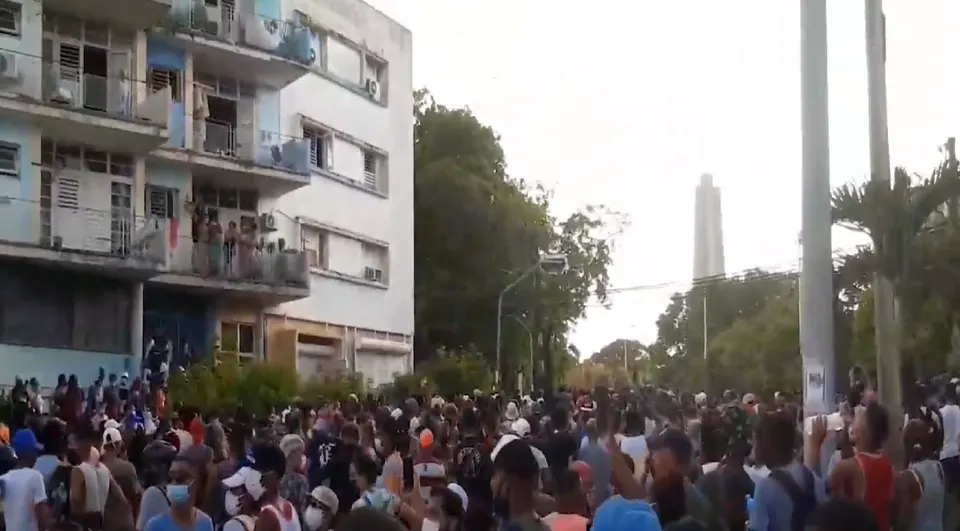
Simultaneously, the financial contagion has reached East Asia, where South Korea’s stock market—once the world’s top performer—has officially entered bear market territory. A combination of excessive leverage, international capital outflows, and the cooling of the AI-driven tech boom has sapped the upward momentum of the Korean markets. This downturn is particularly concerning for global trade, as South Korea serves as a bellwether for global consumer demand and manufacturing health. For the Iranian reader, these twin stories of infrastructure collapse in the Caribbean and market exhaustion in Asia illustrate a world where economic stability is becoming increasingly rare, making diversified savings and cautious investment more critical than ever.
Watch
Count Binface has pledged to run against Reform UK leader Nigel Farage in Clacton. #BBCNews
BBC News
Frequently Asked Questions
Why did Trump declare the ceasefire over now?
How has the Toman responded to the latest geopolitical news?
What is causing the bear market in South Korea?
The Strait of Hormuz: A Global Oil Chokepoint
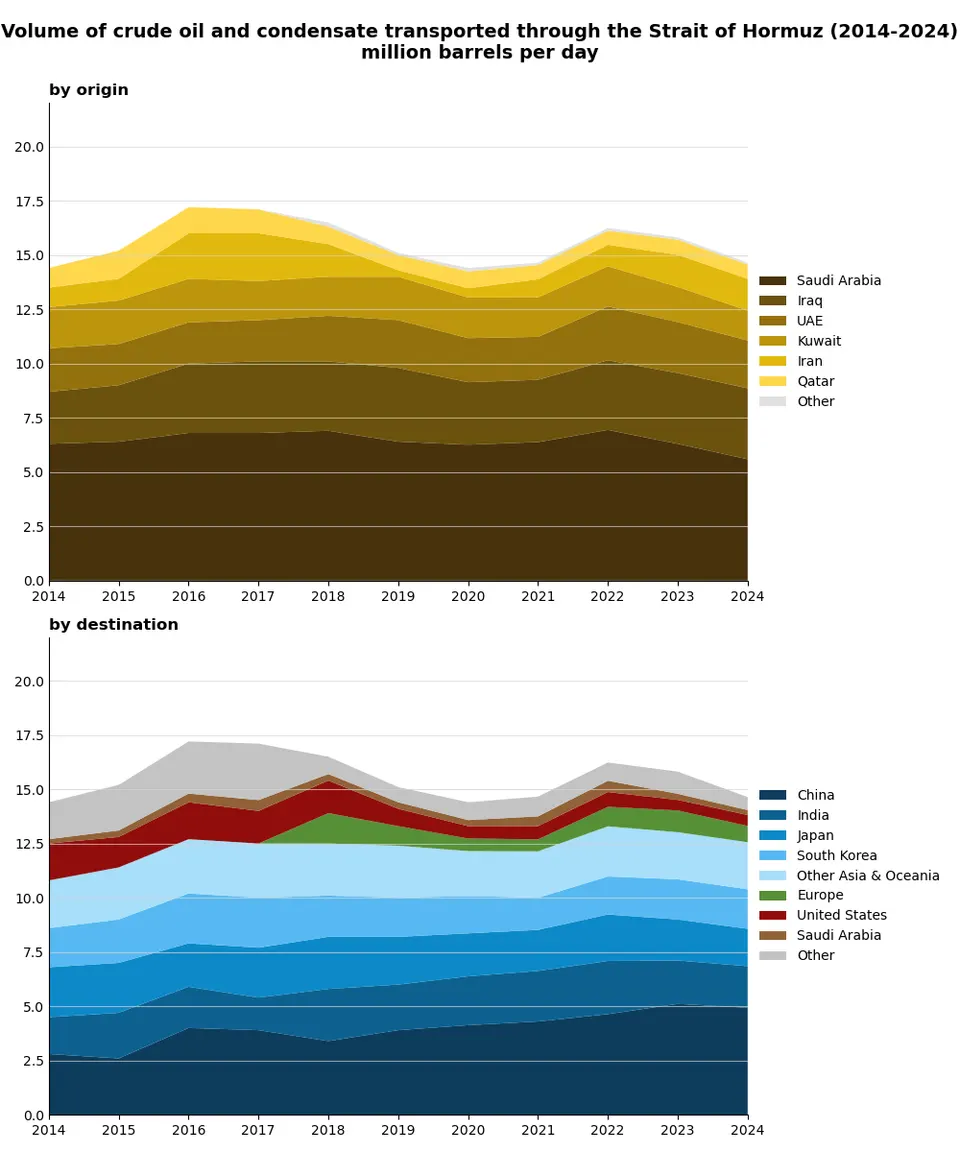
The Strait of Hormuz is a narrow, strategically vital waterway connecting the Persian Gulf to the Arabian Sea and the broader Indian Ocean. Located between Oman and Iran, it serves as the sole sea passage from the Persian Gulf to the open ocean for a number of major oil-producing nations, including Saudi Arabia, Iran, the UAE, Kuwait, and Iraq. Its geographical confines make it one of the world's most critical maritime chokepoints, a term used for narrow channels along widely used global sea routes.
This chokepoint is unparalleled in its importance to global energy markets. Approximately one-fifth of the world's total petroleum liquids consumption, and a significant portion of global liquefied natural gas (LNG) trade, passes through the Strait of Hormuz daily. Any disruption or threat to shipping in this confined passage has immediate and far-reaching implications for global energy supply and prices, affecting economies worldwide.
During periods of heightened geopolitical tension, such as those involving Iran, the Strait of Hormuz frequently becomes a focal point. Threats to close the Strait, or even the perception of increased risk to maritime traffic, can trigger dramatic spikes in crude oil prices. This reaction is driven by fears of supply shortages, as the global market relies heavily on the uninterrupted flow of oil from the Gulf region through this narrow channel.
The historical context of Iran's proximity and its past rhetoric regarding the Strait underscores its potential as a flashpoint. Understanding the Strait of Hormuz's role is crucial for comprehending how regional political dynamics can directly translate into global economic volatility, particularly in energy markets.