Trump's Ceasefire Collapse Rattles Markets; Iran Tensions Escalate
پایان آتشبس ترامپ بازارها را متزلزل کرد؛ تنشها در ایران بالا گرفت
The abrupt end of the U.S.-Iran ceasefire by President Trump has sent shockwaves through global markets, with oil prices surging and the Iranian Toman weakening. Political tensions and economic uncertainties continue to escalate.
At time of publishing
USD
181,350
Toman
Gold 18K
17.88M
Toman / gram
Bitcoin
$61,849
US Dollar
Tether
181,111
Toman
Trump Declares End to U.S.-Iran Ceasefire
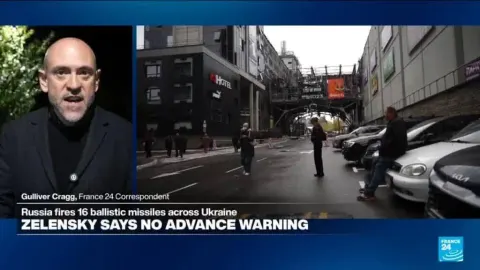
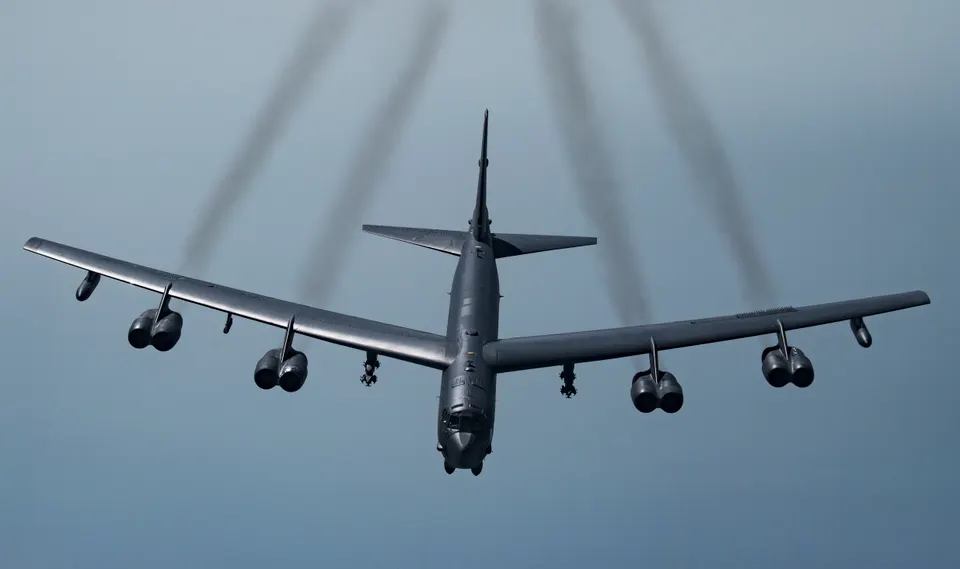
President Donald Trump's declaration that the U.S.-Iran ceasefire is "over" has sent ripples through global markets. The announcement, made during a press conference at the NATO summit in Ankara, has escalated tensions between the two nations. Trump's remarks were accompanied by a reiteration of his criticism towards Iran, claiming that the memorandum of understanding recently signed was a "waste of time." This development has prompted immediate market reactions, including a significant rise in oil prices as traders anticipate potential disruptions in the Strait of Hormuz.
The repercussions of this decision are far-reaching. The ceasefire had been a fragile but crucial element in maintaining a semblance of stability in the region. Its abrupt end raises the specter of increased military engagements and further destabilization, which could impact global energy supplies. For Iran, this means heightened economic pressure as sanctions and military threats continue to loom large. For market participants, the volatility in commodities and currencies is a direct consequence of the geopolitical uncertainty now amplified by Trump's statement.
Oil Prices Surge on Ceasefire Collapse
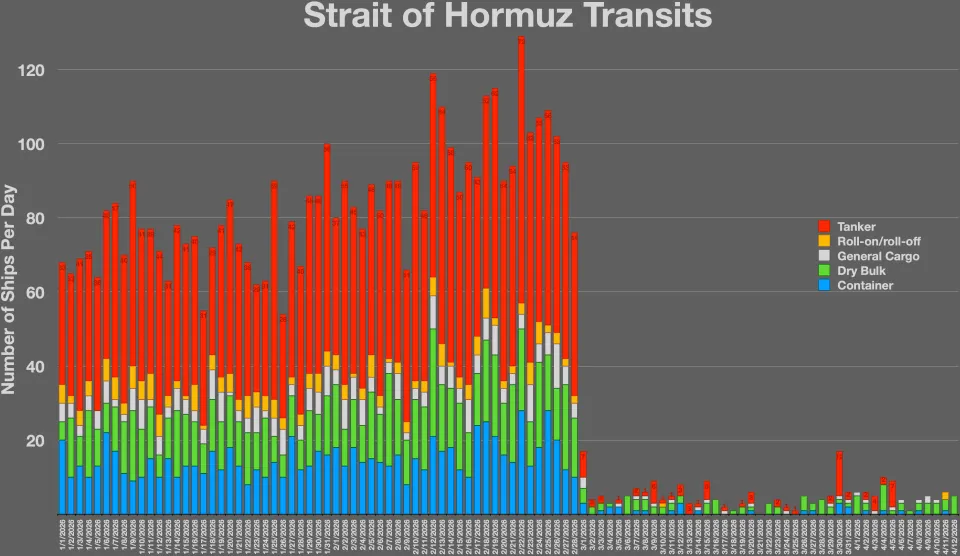
The market's immediate response to the cessation of the U.S.-Iran ceasefire has been a sharp increase in oil prices. Brent crude has risen over 7% to reach $79.76 per barrel, while WTI crude has climbed to $75.4 per barrel. This surge marks the highest oil prices in two weeks, driven by fears of potential disruptions in the strategically vital Strait of Hormuz. The strait is a critical chokepoint for global oil shipments, and any conflict in this area could severely affect oil availability and prices worldwide.
For countries heavily reliant on oil imports, such as Iran, the implications are severe. Higher oil prices can exacerbate inflationary pressures, further strain the Iranian economy, and lead to increased costs for consumers and businesses. The Iranian currency, the Toman, has already shown signs of stress, with the USD/IRR rate moving from 175,800 to 181,350, a rise of 3.2% over 24 hours. This devaluation reflects the market's anticipation of tougher economic conditions as geopolitical tensions escalate.
McConnell's Health Sparks Political Concerns
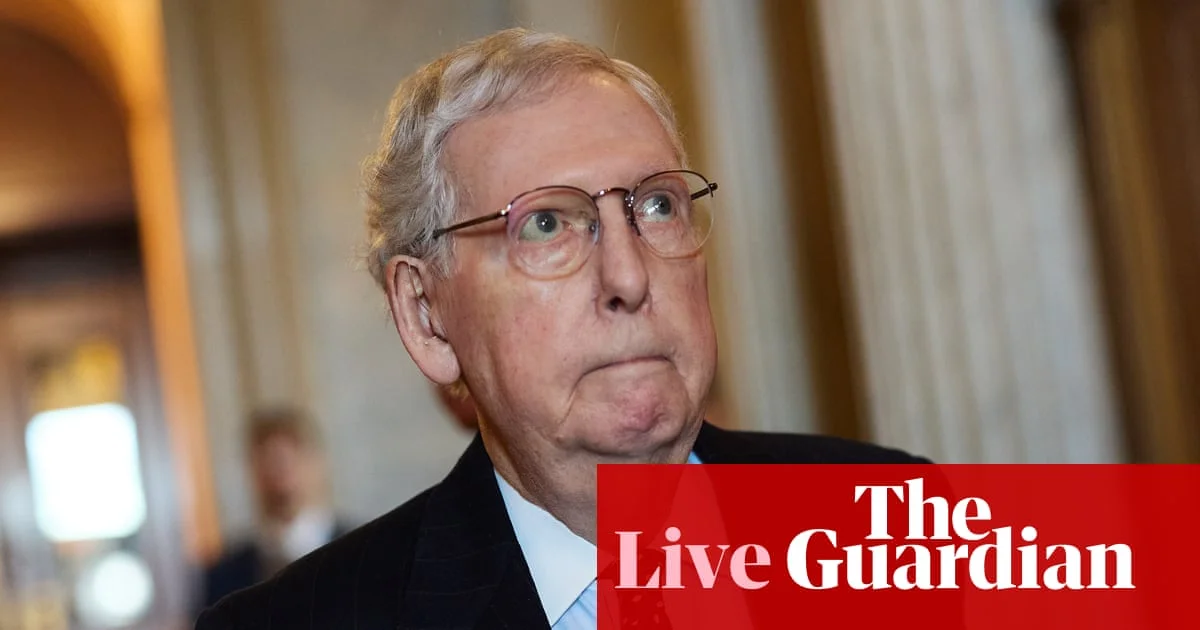
In the United States, political dynamics are also being influenced by health concerns surrounding Senate Republican Leader Mitch McConnell. Kentucky Governor Andy Beshear has formally requested an update on McConnell's condition, who has been hospitalized since mid-June. This request highlights the uncertainty within the Republican leadership as McConnell's health remains a topic of concern. His absence could have significant implications for legislative priorities and the party's strategic direction.
The situation adds another layer of complexity to the political landscape as the U.S. navigates both domestic and international challenges. With the Republican party looking to maintain cohesion and address critical issues, McConnell's situation underscores the fragility that can arise from unexpected health crises in political leadership. The outcome of this situation could influence legislative agendas and the party's ability to respond to ongoing international tensions, including those with Iran.
Market Reactions and Economic Implications
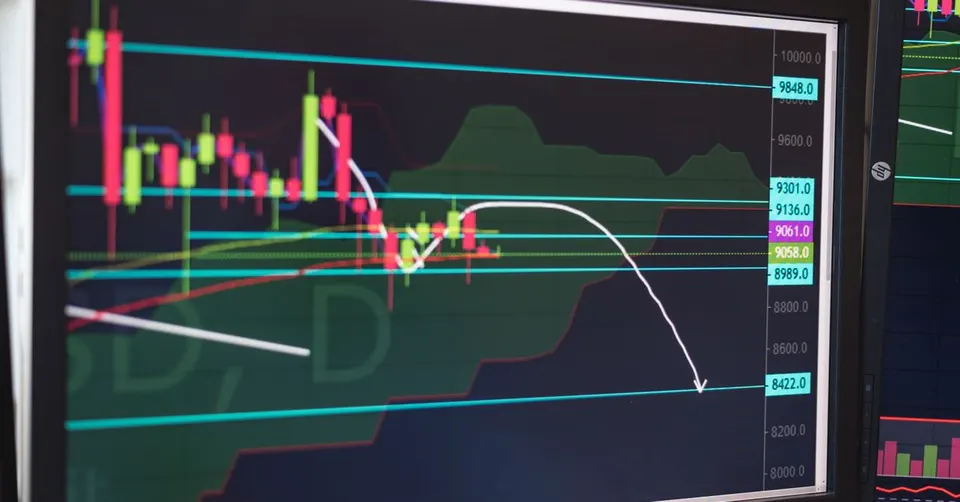
The collapse of the U.S.-Iran ceasefire and the resulting geopolitical tensions have had immediate effects on various markets. Besides the rise in oil prices, the stock market has also reacted with volatility. Indices such as the Dow have seen declines as investors weigh the risks of escalating conflict and its potential to disrupt economic stability. Bonds and safer assets have seen increased interest as market participants seek refuge from the uncertainty.
These developments underscore the interconnectedness of global markets and the profound impact geopolitical events can have on economic confidence. For Iran, the weakening Toman and rising inflationary pressures pose challenges to economic recovery efforts. For global investors, the focus will likely remain on monitoring the situation closely, assessing risks, and adjusting strategies to navigate the volatile landscape created by these geopolitical shifts.
Watch
Oil prices leap, stocks drop after Trump says Iran ceasefire is over
CBS News