Military Trial of US Airman Draws Global Attention Amid Tensions
دادگاه نظامی نیروی هوایی آمریکا در میان تنشهای جهانی توجهات را جلب میکند
The military trial of a US airman accused of rape by British women is gaining international scrutiny. Separately, Iran's Speaker warns the US of consequences for aggressive policies.
At time of publishing
USD
180,150
Toman
Gold 18K
17.94M
Toman / gram
Bitcoin
$62,740
US Dollar
Tether
180,129
Toman
US Airman Faces Court-Martial Amidst International Scrutiny
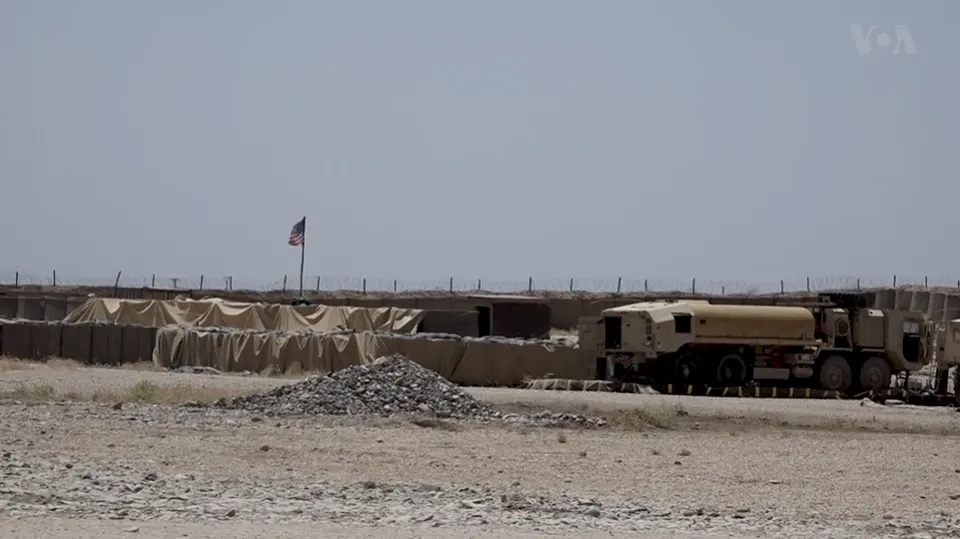
The military trial of a US airman, Tyrion Davis, accused of rape by two British women in Suffolk has drawn significant international attention. The trial, conducted at a US base, required the victims to testify under challenging conditions, sparking discussions about the handling of such cases by the military justice system. This case has brought to light the complexities and potential inadequacies of military trials, particularly those involving foreign nationals as victims. The trial's proceedings have been criticized for the invasive nature of the testimonies required from the victims, which has prompted calls for reform in how military trials are conducted, especially in cases involving serious allegations like rape.
This trial not only highlights issues within the military justice system but also underscores the broader implications of US military presence abroad. The case has potential diplomatic ramifications, as it involves citizens of two allied nations. Such incidents can strain relations and lead to calls for greater oversight and transparency in military operations overseas. For Iran, observing the treatment of international legal cases involving the US may influence its diplomatic strategies and public opinion regarding American policies and military actions.
Iran's Speaker Warns US on Aggressive Policies
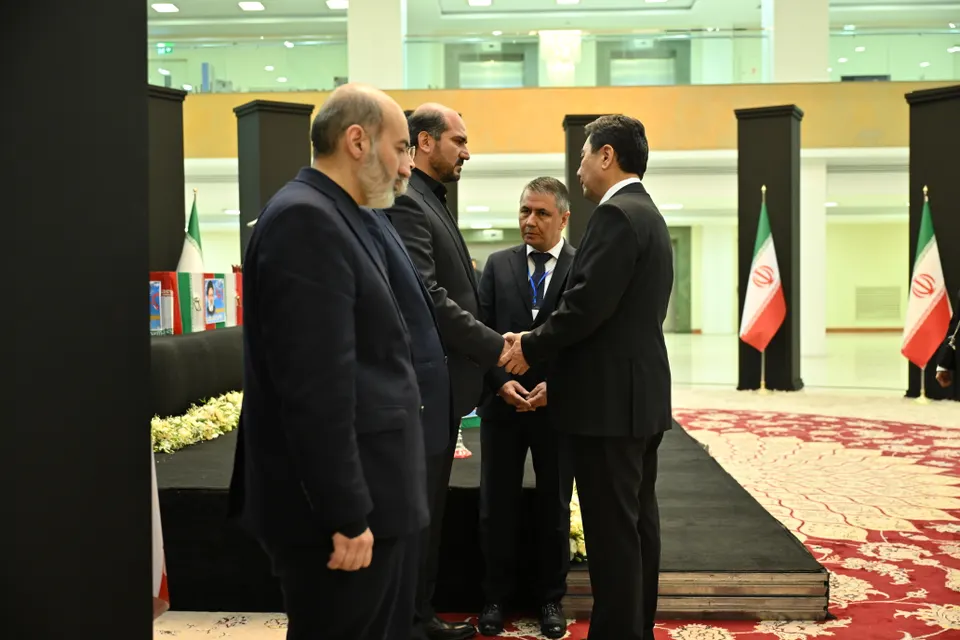
Iranian Parliament Speaker Mohammad Bagher Ghalibaf has issued a stern warning to the United States, asserting that recent aggressive actions against Iran will not go unchallenged. His statement comes amid escalating tensions between the two nations, particularly following the US's withdrawal from commitments seen as critical by Tehran. Ghalibaf's comments, reported by Iranian state media, suggest that Iran is prepared to respond to what it perceives as bullying tactics by Washington.
This development is part of a broader pattern of strained US-Iran relations that have significant implications for regional stability and global markets. The speaker's rhetoric reflects Iran's defiance in the face of international pressure and its determination to assert its sovereignty. Such statements are likely to influence Iran's domestic policy and could impact its approach to international negotiations, potentially affecting global oil markets and economic conditions in Iran.
Bitcoin Holds Steady Amid US-Iran Tensions
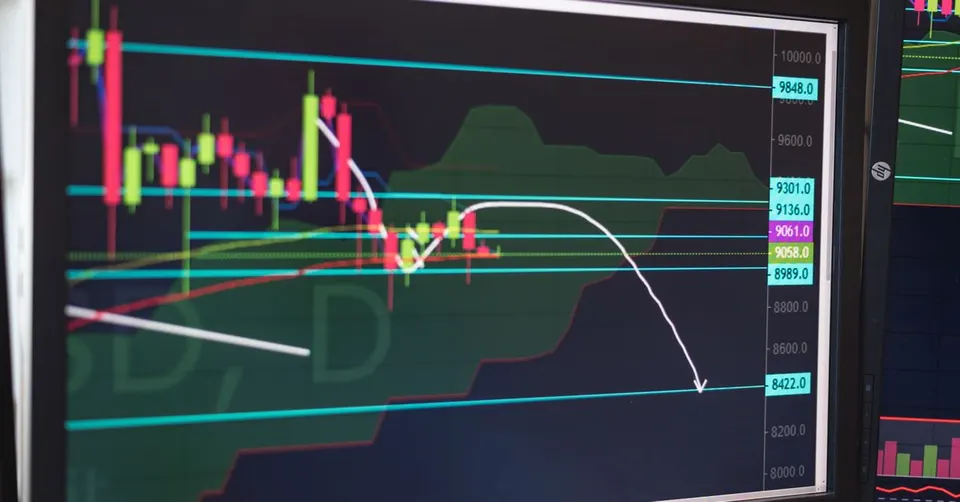
Bitcoin prices have shown resilience, maintaining a position near $62,740 despite the re-escalation of tensions between the US and Iran. This stability in the crypto market comes as a surprise to many, considering the potential for geopolitical conflicts to cause volatility in financial markets. Analysts suggest that Bitcoin's performance indicates a growing maturity in the cryptocurrency markets, where investors are increasingly seeing digital assets as a hedge against traditional market uncertainties.
The steadiness of Bitcoin during such geopolitical tensions may also reflect a broader trend of increased global adoption and acceptance of cryptocurrencies. For Iranian investors, cryptocurrencies like Bitcoin represent an alternative to traditional financial systems, particularly in the face of economic sanctions and inflationary pressures. As global conflicts continue to influence economic conditions, the role of digital currencies in providing financial stability and investment opportunities is becoming more pronounced.
Frequently Asked Questions
What are the implications of the US airman's trial?
How might Iran respond to US actions?
Why is Bitcoin stable despite geopolitical tensions?
Understanding the Uniform Code of Military Justice (UCMJ)
The Uniform Code of Military Justice (UCMJ) is the legal framework that governs the conduct of all U.S. service members, from the Army to the Air Force. Enacted by Congress in 1950, it consolidates centuries of disparate military statutes into a single, codified system, ensuring that service members are tried under a consistent set of rules regardless of branch. The UCMJ outlines a wide range of offenses—from desertion and insubordination to more serious crimes like murder—along with the procedures for investigation, trial, and punishment.
A key feature of the UCMJ is the court‑martial, which comes in three levels: summary, special, and general. Each level varies in the severity of punishable offenses and the composition of the panel (the military equivalent of a jury). Defendants retain many constitutional protections, such as the right to counsel, the presumption of innocence, and the ability to appeal to higher military courts and ultimately to the U.S. Supreme Court. However, the military context allows for certain unique measures, like command‑initiated non‑judicial punishment (Article 15) and the use of military judges who are also commissioned officers.
In recent years, the UCMJ has faced calls for reform, especially after high‑profile cases that have drawn international attention. Critics argue that some provisions—such as the limited ability to challenge command influence or the handling of sexual assault cases—need modernization to align with civilian standards of due process. Legislative proposals and Department of Defense policy updates aim to increase transparency, improve victim support, and tighten the standards for evidence and sentencing.
Understanding the UCMJ is essential when evaluating incidents like the trial of a U.S. airman that has become a flashpoint in Iran‑U.S. tensions. The military justice system operates independently of civilian courts, but its outcomes can have diplomatic repercussions, influencing how foreign governments perceive U.S. commitment to rule of law and fairness. As the trial proceeds, observers will watch not only the legal arguments but also how the UCMJ’s procedural safeguards are applied under intense geopolitical pressure.