Geopolitical Turmoil and Market Strategies: What You Need to Know
آشفتگیهای ژئوپلیتیکی و استراتژیهای بازار: آنچه باید بدانید
As the world grapples with geopolitical tensions and economic uncertainties, investors are advised to navigate a complex financial landscape. From Bank of America's market guidance to the UAE's record oil output, here's what you need to know.
At time of publishing
USD
179,650
Toman
Gold 18K
17.58M
Toman / gram
Bitcoin
$64,093
US Dollar
Tether
178,480
Toman
Should You Lock in a 4% CD Rate Now?
With CD rates currently at a standstill, investors are grappling with whether to lock in a 4% rate now or wait for potential changes post-Fed meetings. As financial conditions tighten, the decision to commit funds for a fixed period becomes more complex. Analysts suggest evaluating personal financial goals and market conditions before making a decision. The potential for the Federal Reserve to adjust rates in upcoming meetings adds to the uncertainty, making it crucial for savers to stay informed.
This decision is not just about the rate itself, but the broader economic implications. A 4% CD might seem attractive in a low-yield environment, but with inflation and market volatility looming, locking in for too long could miss out on future rate hikes. Therefore, it's important for investors to consider their liquidity needs and risk tolerance. The guidance from financial advisors is to weigh the benefits of a secure yield against the flexibility needed in uncertain times.
Bank of America Advises Caution with Bonds and Stocks
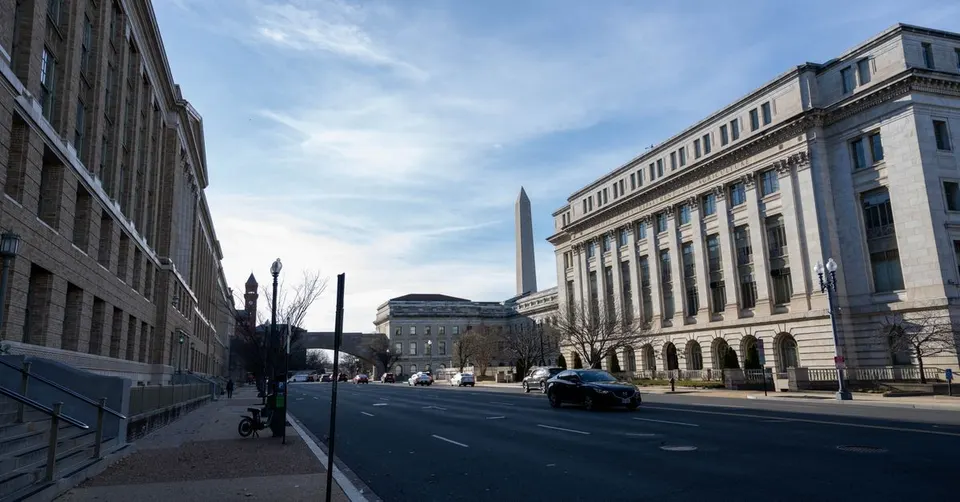
Michael Hartnett of Bank of America has issued a cautionary note to investors. With real 30-year interest rates at their highest since 2008, the bank advises against buying bonds or selling stocks, suggesting instead that investors prepare for a turbulent market. This guidance comes amid tight financial conditions and a potential summer slowdown, urging investors to rethink traditional strategies.
The advice highlights the broader economic challenges, including high inflation and geopolitical risks, which have led to unpredictable market movements. Investors are encouraged to diversify and consider alternatives that might offer stability amidst the volatility. This approach underscores the importance of flexibility and readiness to adjust strategies as new information and market conditions emerge.

UAE's Record Oil Output Amidst Global Tensions
The United Arab Emirates has reported a significant increase in its oil production, reaching an all-time high of 4.1 million barrels per day in June. This surge follows the UAE's exit from OPEC and its strategic move to ramp up production despite regional blockades. The increase in output is seen as a bold move to capitalize on current market conditions and assert independence in its oil policy.
This development has implications for global oil markets, particularly as geopolitical tensions in the Middle East continue to impact supply routes like the Strait of Hormuz. The UAE's actions could influence oil prices and the strategies of other oil-producing nations. For investors, this underscores the interconnectedness of geopolitical events and commodity markets, highlighting the need for vigilance in monitoring global developments.
Geopolitical Tensions in Iran and Beyond
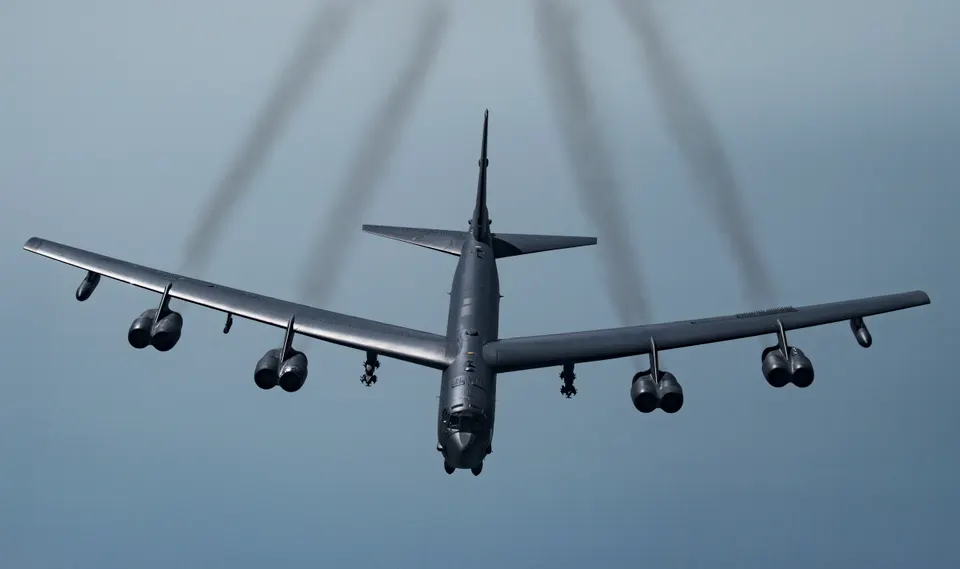
In Iran, the political landscape remains tense following the funeral of Ayatollah Khamenei. The government has used the event to project strength both domestically and internationally, despite underlying tensions with the United States. Meanwhile, reports have emerged of an alleged Iranian plot to assassinate former U.S. President Donald Trump, adding another layer of complexity to the U.S.-Iran relations.
These geopolitical tensions have broader implications for regional stability and global markets. The ongoing conflict and the potential for further escalation could disrupt oil supplies and impact investor sentiment worldwide. As the situation develops, it remains crucial for stakeholders to stay informed and consider the geopolitical risks in their strategic planning.
Police Investigate Political Donations in the UK
In the United Kingdom, police are investigating the legality of certain political donations. This inquiry comes as part of a broader examination of the funding and influence within political parties, raising questions about transparency and accountability. The investigation reflects ongoing concerns about the integrity of political processes and the influence of money in politics.
For the public and investors, such investigations can impact market confidence and political stability. The outcome of these inquiries may lead to policy changes and affect the political landscape in the UK. As such, stakeholders are advised to monitor these developments, which could have implications for both domestic and international markets.

Frequently Asked Questions
What are the implications of locking in a 4% CD rate?
Why is Bank of America advising caution with bonds and stocks?
How has the UAE's oil output affected global markets?
What are the potential consequences of the UK political donation investigation?
How do geopolitical tensions in Iran impact global markets?
Understanding Geopolitical Risk in Financial Markets
Geopolitical risk refers to the potential for political instability, conflicts, and international relations to significantly impact economic activity and financial markets. Unlike purely economic risks, its origins lie in non-economic events such as wars, diplomatic tensions, trade disputes, or political shifts within key nations. However, its consequences are profoundly economic, affecting everything from commodity prices and supply chains to investor sentiment and national economies. Understanding this risk is crucial for anyone navigating today's interconnected global landscape.
This type of risk manifests in various ways. For instance, heightened tensions in critical oil-producing regions, such as those involving Iran and the UAE, can directly disrupt oil output or threaten shipping lanes, leading to spikes in global oil prices. Such price volatility can fuel inflation, increase production costs for businesses, and reduce consumer purchasing power. Beyond commodities, geopolitical events can trigger changes in trade policies, create uncertainty around international investments, and even lead to cyberattacks impacting financial infrastructure.
Financial markets typically react to escalating geopolitical risk with increased volatility. Investors often exhibit a "flight to safety," moving capital from riskier assets like equities to perceived safe havens such as government bonds, gold, or even stable, low-risk instruments like Certificates of Deposit (CDs). This shift can cause stock markets to decline while bond yields fall. Currencies of nations perceived as more stable or less exposed to the specific risk might strengthen, while others weaken.
For investors, integrating geopolitical risk into their strategies is paramount. This might involve diversifying portfolios across different geographies and asset classes, investing in sectors historically less sensitive to geopolitical shocks, or holding a portion of their assets in defensive instruments like CDs, which offer predictable returns during uncertain times. While political donations and national policies might attempt to shape geopolitical outcomes, the markets' immediate reaction to perceived threats often dictates short-term movements, emphasizing the need for constant vigilance and adaptability in investment planning.