
China Breaks SpaceX Monopoly with Reusable Rocket; U.S. Builds New 'Pressure Architecture' Against Tehran
گام بلند چین در رقابت فضایی با موشک بازگشتپذیر؛ معماری جدید فشار دیپلماتیک واشینگتن علیه تهران
China has successfully launched and recovered its Long March 10B rocket, signaling a major shift in the global space race. Meanwhile, reports of a specific plot against Donald Trump and a new NATO-led pressure strategy are heightening tensions between the U.S. and Iran.
At time of publishing
USD
179,650
Toman
Gold 18K
17.65M
Toman / gram
Bitcoin
$64,266
US Dollar
Tether
178,134
Toman
China’s Long March 10B: The End of SpaceX’s Monopoly
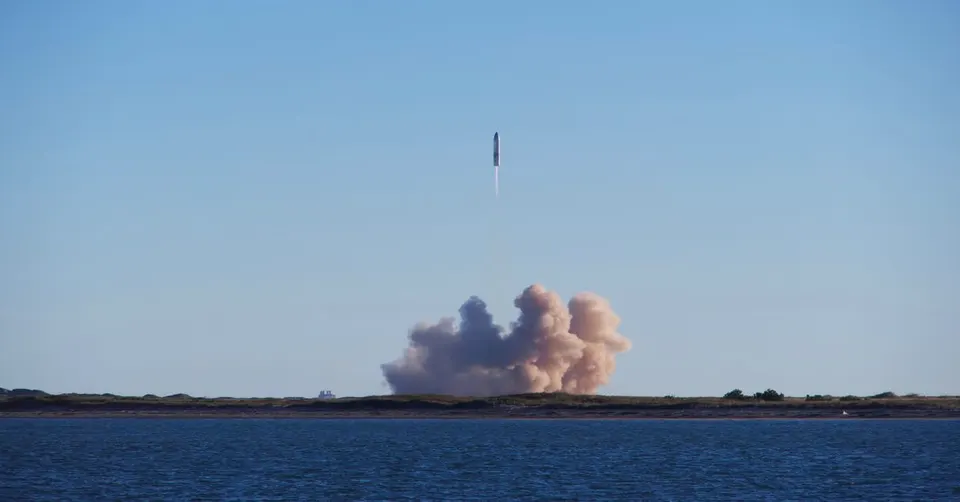
China has achieved a critical milestone in its quest for space dominance with the successful launch and recovery of the Long March 10B reusable rocket. This breakthrough, reported by state media and confirmed by international observers, represents the first time a Chinese entity has demonstrated the capability to land a heavy-lift booster with the precision required for rapid reuse. For years, Elon Musk’s SpaceX has held a near-monopoly on cost-effective orbital access through its Falcon 9 and Starship programs, but Beijing’s latest achievement suggests that the technological gap is closing faster than Western analysts anticipated.
The implications of this launch extend far beyond mere prestige. Reusable rockets are the cornerstone of modern satellite deployment and lunar exploration. By drastically lowering the cost per kilogram to orbit, China can now accelerate its plans for a massive satellite constellation to rival Starlink and solidify its infrastructure for a permanent lunar base. This development is particularly significant for Chinese commercial satellite firms that have previously been hampered by high launch costs and infrequent flight windows. The successful recovery of the Long March 10B indicates that China has mastered the complex vertical landing algorithms and thermal protection systems necessary for sustainable space operations.
Geopolitical Friction: The 'Specific' Plot and NATO’s New Architecture
Geopolitical tensions have surged following reports of a "specific" Iranian plot targeting former U.S. President Donald Trump. Citing Israeli intelligence, several major U.S. media outlets reported that the threat was credible enough to influence Trump’s travel logistics during the recent NATO summit in Turkey. While Tehran has historically dismissed such claims as psychological warfare, the timing of this revelation is critical. It coincides with what analysts describe as a new "pressure architecture" being built by the U.S. and its NATO allies. This strategy aims to diplomatically and economically isolate Iran by integrating regional defense systems and tightening the enforcement of existing sanctions under the guise of collective security.
This evolving architecture is not just about rhetoric; it represents a structural shift in how the West interacts with the Middle East. By leveraging NATO diplomacy, the U.S. is attempting to create a unified front that transcends traditional bilateral tensions. For the Iranian economy, this means a likely prolongation of the current sanctions regime and increased difficulty in navigating international financial waters. The market has already felt the tremors of this uncertainty, even as the Toman showed a slight correction today. The broader narrative suggests that regardless of the upcoming U.S. election outcome, the framework for containment is being institutionalized at a multilateral level.

Climate Extremes and Market Resilience
In Europe, the human cost of the escalating climate crisis has become tragically apparent as wildfires in southern Spain have claimed at least 11 lives, with 19 people still missing near Almería. The blaze, fueled by record-breaking heatwaves across Andalusia, has forced massive evacuations and prompted a high-level containment operation involving thousands of firefighters. Among the victims are several British nationals, highlighting the vulnerability of the region’s massive tourism industry to environmental disasters. This event underscores a growing trend where extreme weather is no longer an anomaly but a persistent threat to European infrastructure and regional economies.
---
Market Snapshot: Toman Gains and Bitcoin’s Recovery
On the financial front, the Iranian Toman saw a modest recovery over the last 24 hours. The USD/IRR exchange rate moved from 181,100 to 179,650, representing a 0.8% appreciation for the local currency. This shift was mirrored in the gold market, where 18k gold per gram fell from 17,874,786 to 17,650,861 Toman, a decrease of 1.3%. While these movements suggest a temporary cooling of local inflationary pressures, the underlying geopolitical risks remain the primary driver of long-term volatility. Investors are currently balancing the relief of a slightly stronger Toman against the looming threat of new international pressure tactics.

In the cryptocurrency sector, Bitcoin has reclaimed the $64,000 level, currently trading at $64,266. This rebound comes as selling pressure on major exchanges like Coinbase has finally begun to ease, allowing the market to find a stable floor. Institutional flows into spot Bitcoin ETFs remain a focal point, though recent data shows a slight cooling in net inflows. The resilience of the $64k support level is being closely watched by traders as a signal for a potential move toward previous all-time highs, especially as the broader tech sector continues to show strength in global markets.
Frequently Asked Questions
Why is the Long March 10B launch considered a threat to SpaceX?
What is the 'pressure architecture' mentioned in US-Iran relations?
How did the Iranian Toman react to today's news?
Reusable Rocket Technology and The New Space Race
The dawn of reusable rocket technology has ignited a "New Space Race," fundamentally transforming humanity's access to and ambitions in space. Unlike the Cold War era's race primarily driven by national prestige and military might, this modern competition is fueled by a blend of government initiatives, private enterprise, and the relentless pursuit of efficiency. At its heart lies the ability to land and refly rocket stages, a concept pioneered by companies like SpaceX, which dramatically reduces the cost and complexity of space launches.
The innovation of reusable rockets is a game-changer because it shifts space travel from a disposable, immensely expensive endeavor to a more sustainable and economically viable one. Historically, each rocket launch meant building an entirely new vehicle, akin to throwing away an airplane after every flight. Reusability, however, allows for multiple missions with the same hardware, slashing per-launch costs by orders of magnitude. This cost reduction democratizes access to space, enabling more frequent satellite deployments, ambitious scientific missions, and even the burgeoning prospect of space tourism and resource utilization.
China's recent development of the Long March 10B, a reusable rocket designed for lunar missions, signifies a pivotal moment in this new era. Its entry into the reusable rocket arena directly challenges the lead established by Western companies, intensifying competition and accelerating technological advancements globally. This competition isn't just about national flags on the moon; it's about establishing dominance in a rapidly growing space economy, influencing future global communication networks, military capabilities, and the potential for off-world resource extraction.
Ultimately, the New Space Race, powered by reusable rocket technology, promises a future where space is not just a distant frontier but an accessible domain for innovation, commerce, and exploration. As more nations and private entities master this technology, the ripple effects will be felt across industries, shaping geopolitical landscapes and pushing the boundaries of what's possible beyond Earth.