U.S. Strikes in Iran Ignite Regional Tensions and Market Uncertainty
حملات آمریکا به ایران تنشهای منطقهای و عدم قطعیت بازار را شعلهور کرد
The recent U.S. military strikes in Iran mark a significant escalation in regional tensions, impacting markets and geopolitical dynamics. Meanwhile, a tragic incident in Gaza further complicates international relations.
At time of publishing
USD
178,750
Toman
Gold 18K
17.65M
Toman / gram
Bitcoin
$64,081
US Dollar
Tether
178,522
Toman
Days of U.S. Strikes in Iran Signal Sharp Escalation
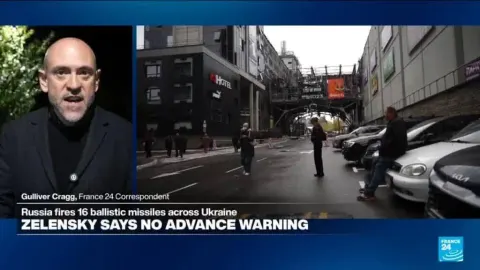
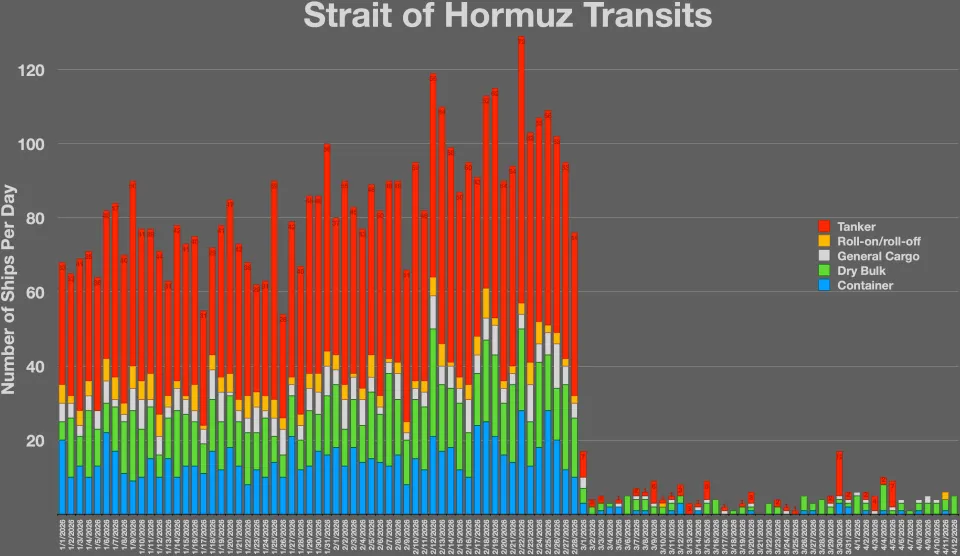
U.S. military forces have conducted extensive strikes in Iran, hitting over 170 targets, including air defense systems, drone and missile storage sites, and military speedboats. The strikes represent a significant escalation in the already tense relationship between the U.S. and Iran. The action is a response to what the U.S. describes as aggressive Iranian military postures and threats in the region, especially concerning vital oil routes in the Strait of Hormuz.
The implications of these strikes are far-reaching. For Iran, this marks a critical point in its confrontation with Western powers, and it could lead to further military responses or strategic adjustments. For the region, the escalation adds to the instability that affects not only geopolitical alliances but also global oil markets and regional security. The impact on Iranian citizens is profound, as these tensions can lead to increased sanctions and further economic strain.
Gaza Aid Worker Killed by Israeli Strike
In another flashpoint in the Middle East, an aid worker from Gaza was killed by an Israeli military strike while on his way to watch the World Cup. The Israeli military stated that the target was a Hamas militant but acknowledged reports of civilian casualties. This incident adds complexity to the already volatile Israeli-Palestinian relations and raises questions about the rules of engagement and the humanitarian cost of military operations.
The death of the aid worker highlights the ongoing humanitarian and political crises in the region. It underscores the difficulties in achieving peace and stability, as each incident can ignite further violence and retaliation. For global observers, such actions can influence international diplomatic efforts and impact regional alliances, potentially affecting global markets, particularly in oil and defense sectors.

Market Reactions: Currency and Gold Prices Adjust
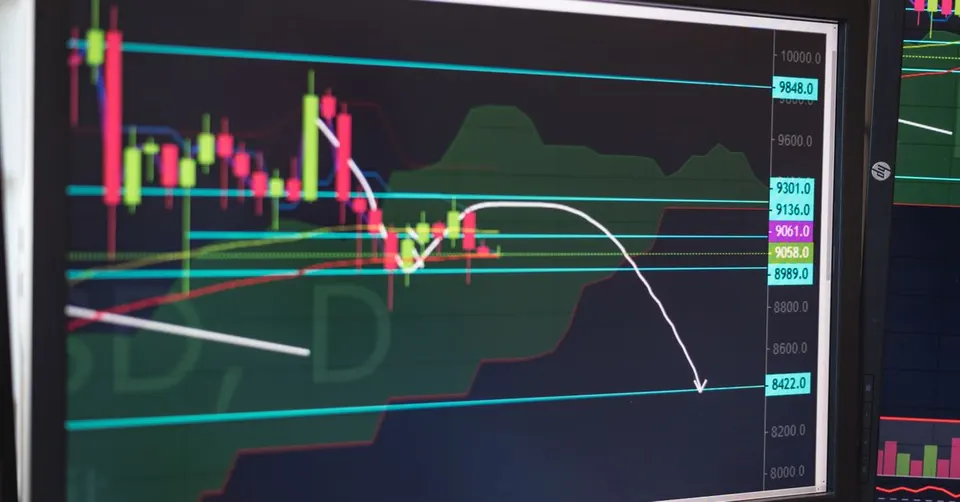
Following the escalation in Iran, the Iranian Toman has seen a slight depreciation against the U.S. dollar, moving from 181,100 to 178,750, a 1.3% decrease. This shift reflects market nervousness about potential economic sanctions or disruptions to trade routes. Similarly, gold prices, often a safe haven in times of geopolitical uncertainty, have adjusted slightly, with Gold 18k/gram decreasing by 1.2% to 17,653,169 Toman.
These changes in currency and gold prices indicate the market's sensitivity to geopolitical events. Investors and traders are closely watching developments, as any prolonged conflict could have wider implications for global economic stability. For Iranians, these fluctuations directly affect purchasing power and economic confidence, highlighting the interconnectedness of local economies with global events.
Corruption Allegations in Texas Starlink Deal
In U.S. domestic politics, Nathan Johnson, a Democrat running for Texas Attorney General, has accused Elon Musk’s SpaceX of potentially corrupt practices involving $110 million in state grants for Starlink. Johnson argues that the deal raises questions about transparency and accountability in using public funds for private ventures.
This issue is significant not only for Texas but for the broader conversation about the role of private companies in public infrastructure and services. The outcome of this investigation could set precedents for how state contracts are awarded and monitored, impacting the tech and aerospace industries and influencing public trust in government-business collaborations.
Watch
U.S.-Iran tensions remain high after days of exchanging strikes
NBC News
Frequently Asked Questions
What are the implications of U.S. strikes in Iran?
How have markets reacted to the recent U.S.-Iran tensions?
What was the impact of the Israeli strike in Gaza?
What are the allegations against SpaceX in Texas?
Why is the Starlink deal significant?
Understanding Safe-Haven Assets in Times of Uncertainty
In moments of global instability, such as the regional tensions ignited by U.S. strikes in Iran, investors often seek refuge in what are known as safe-haven assets. These are investments that are expected to retain or even increase in value during periods of market turmoil, economic downturns, or geopolitical crises. Their appeal lies in their perceived reliability and their ability to act as a store of value when other, riskier assets (like stocks or emerging market currencies) are depreciating.
The most classic example of a safe-haven asset is gold. For centuries, gold has been valued for its intrinsic worth, limited supply, and its independence from any single government's policies or economic performance. When geopolitical risks escalate, or when there's widespread fear about inflation or currency depreciation, demand for gold typically surges, driving up its price. Other assets that can act as safe havens include certain highly stable government bonds (like U.S. Treasuries), and sometimes specific currencies such as the Swiss Franc or Japanese Yen, due to their countries' strong economic fundamentals and political neutrality.
The recent headline, discussing U.S. strikes in Iran and regional tensions, directly illustrates this phenomenon. Such events heighten geopolitical risk, leading to market uncertainty. Investors, fearing potential widespread economic disruption or further escalation, tend to move capital out of riskier investments and into safe havens. This flight to safety explains why "gold prices" are often mentioned alongside discussions of international conflict and why the "Iranian Toman," a currency directly exposed to the regional instability, might face significant depreciation.
While safe-haven assets offer a degree of protection, it's important to remember that no investment is entirely risk-free. Their value can still fluctuate, and their performance depends on the specific nature and duration of the crisis. However, understanding their role provides crucial insight into how global markets react to political and economic shocks, offering a tangible mechanism for investors to navigate turbulent times.