
Iran Rejects US Negotiation Rumors as Apple Launches 'Trade Secret' Lawsuit Against OpenAI
رد شایعه مذاکره با آمریکا توسط تهران؛ شکایت جنجالی اپل از OpenAI بابت سرقت اسرار تجاری
Tehran has officially denied seeking talks with Washington, warning of reciprocal measures for any breach of commitments. Meanwhile, a major legal battle has erupted in Silicon Valley as Apple sues OpenAI for alleged theft of trade secrets.
At time of publishing
USD
177,950
Toman
Gold 18K
17.71M
Toman / gram
Bitcoin
$64,173
US Dollar
Tether
179,100
Toman
Tehran Signals Defiance Amid Negotiation Denials
Iran’s Foreign Ministry spokesperson, Esmaeil Baqaei, has firmly rejected reports suggesting that Tehran requested new negotiations with the United States. In a statement released Saturday morning, Baqaei emphasized that the Islamic Republic has made no such overture and remains committed to a policy of reciprocity. He warned that any further breaches of international commitments by Washington would be met with direct counter-measures, signaling a hardening stance as geopolitical tensions remain at a boiling point. This rhetoric follows a pattern of 'strategic patience' being tested by the 'Maximum Pressure 2.0' environment described in earlier briefings.
Adding to the regional friction, Iran’s Deputy Foreign Minister for Legal and International Affairs has turned the spotlight on the United Arab Emirates. Citing recently disclosed US documents, the official claimed that the UAE played an active role in facilitating what he termed 'US military aggression' against Iran. This escalation in diplomatic finger-pointing suggests that Tehran is not only looking toward Washington but is also prepared to hold regional neighbors accountable for their security alliances with the West. For the average Iranian citizen, this high-stakes posturing contributes to a sense of prolonged economic uncertainty, keeping the currency market in a state of cautious fluctuation.

Apple vs. OpenAI: A Legal Bombshell in Silicon Valley
In a move that has sent shockwaves through the technology sector, Apple has filed a massive lawsuit against OpenAI and several of its employees. The iPhone maker alleges a systematic theft of trade secrets, claiming that OpenAI’s hardware ambitions are built on stolen intellectual property. Apple’s legal team did not mince words, describing OpenAI’s leadership culture as 'rotten to its core' and suggesting that the recent exodus of high-level talent from Apple to the AI giant was part of a coordinated effort to strip-mine Apple's proprietary research. This marks a significant breakdown in what many hoped would be a collaborative era for AI integration across consumer devices.
Beyond the Apple lawsuit, the AI landscape is facing a broader reckoning regarding privacy. Meta recently announced it is discontinuing its 'Muse' image generation feature after intense backlash from privacy advocates and Hollywood unions. The feature, which allowed users to generate images using public Instagram data, was criticized for lacking transparency and user consent. These dual developments—legal battles over secrets and public retreats on data usage—suggest that the 'move fast and break things' era of AI development is hitting a significant regulatory and legal wall that could slow down the rollout of next-generation features.

Climate Crisis Strains European Infrastructure and Energy
Europe is currently grappling with a blistering heatwave that is exposing the fragility of its modern infrastructure. In the United Kingdom, classrooms have seen temperatures soar above 40°C, leading to reports of pupils suffering from heatstroke and nausea. The crisis has prompted urgent calls from teachers' unions to adapt school buildings for a warming climate, as many facilities are currently ill-equipped to handle extreme thermal stress. This human cost is mirrored by a growing industrial crisis, as the heat begins to threaten the continent’s energy security.
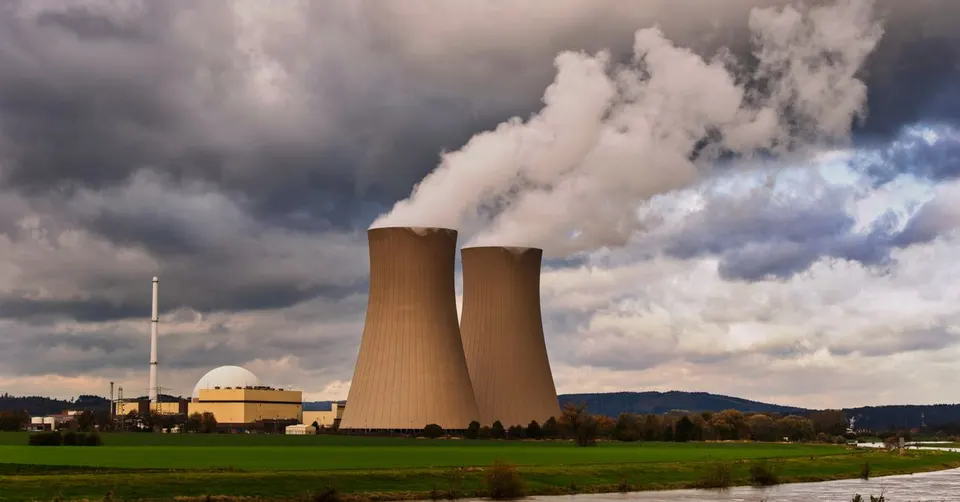
In France, the national energy grid is under severe pressure as rising river temperatures force the curtailment of nuclear power production. At least five nuclear plants have been flagged for output reductions because the water used to cool their reactors has become too warm to be safely discharged back into local ecosystems without causing ecological damage. With electricity demand for cooling spiking and supply from nuclear sources dropping, the risk of rolling blackouts is becoming a tangible threat. This intersection of climate and energy illustrates why global markets remain sensitive to weather patterns, as environmental shifts now dictate industrial capacity.
Market Update: Gold Gains as USD Inches Lower
As of 10:00 AM Tehran time, the domestic currency market is showing signs of minor cooling despite the aggressive geopolitical rhetoric. The USD sell rate moved from 178,250 to 177,950 Toman, marking a slight decrease of 0.2% over the last 24 hours. This marginal dip suggests that while tensions are high, the market had already priced in much of the current friction. However, gold continues to serve as a preferred hedge for local investors. The price of 18k gold rose from 17,590,839 to 17,706,265 Toman per gram, a 0.7% increase that reflects a global trend where the gold ounce is hovering near record highs at $4,121.40.
In the cryptocurrency space, Bitcoin has managed a resilient rebound, climbing back above the $64,000 mark. This 24-hour rally appears to be driven by a broader recovery in tech stocks and renewed interest in digital assets as a store of value amidst traditional market volatility. While the Emami coin saw a slight correction, dropping from 181,500,000 to 181,000,000 Toman (-0.3%), the overall sentiment remains focused on hard assets. Investors are closely watching for any signs of a breakthrough in regional diplomacy or further legal escalations in the US tech sector that could trigger the next major volatility event.
Frequently Asked Questions
Why is Iran denying the negotiation requests now?
What exactly does Apple claim OpenAI stole?
How does the European heatwave affect global energy markets?
Understanding Trade Secrets and Their Role in Tech Litigation
A trade secret is any information that derives independent economic value from not being generally known or readily ascertainable, and that is subject to reasonable efforts to keep it secret. In the United States, the legal framework for protecting trade secrets is primarily governed by the Uniform Trade Secrets Act (UTSA), adopted by most states, and the federal Defend Trade Secrets Act (DTSA) of 2016, which allows companies to sue in federal court for misappropriation. Typical examples include source code, algorithms, manufacturing processes, and confidential business strategies.
When Apple filed a lawsuit alleging that OpenAI stole its proprietary AI‑related technology, the case hinges on whether the disputed information meets the legal definition of a trade secret and whether OpenAI took reasonable steps to keep it confidential. Courts will examine factors such as the existence of confidentiality agreements, the level of access granted, and the measures taken by Apple to protect the information. If the plaintiff proves misappropriation, remedies can include injunctions to halt the use of the secret, monetary damages, and even the destruction of the stolen material.
The stakes are especially high in the AI sector because the value of data, model architectures, and training techniques can be enormous. Companies invest billions in research and development, and a leaked algorithm can erode competitive advantage overnight. This is why many tech firms now implement robust internal controls—such as non‑disclosure agreements, restricted access, and monitoring of data transfers—to safeguard their intellectual property.
Beyond the courtroom, trade‑secret protection influences how firms collaborate and share information. While patents require public disclosure, trade secrets allow companies to keep innovations hidden, fostering a different kind of competitive strategy. However, the rise of open‑source AI models and the ease of copying code online have sparked debates about the balance between innovation, competition, and the enforceability of trade‑secret claims.
Understanding trade‑secret law helps readers grasp why high‑profile lawsuits like Apple vs. OpenAI matter not just for the parties involved, but for the broader tech ecosystem that relies on the delicate balance between secrecy and openness.