Araghchi in Muscat for 'Hormuz Toll' Crisis Talks; Markets Cool as Tehran Signals Compliance
سفر اضطراری عراقچی به مسقط برای مهار بحران «عوارض هرمز»؛ عقبنشینی قیمتها در بازار تهران
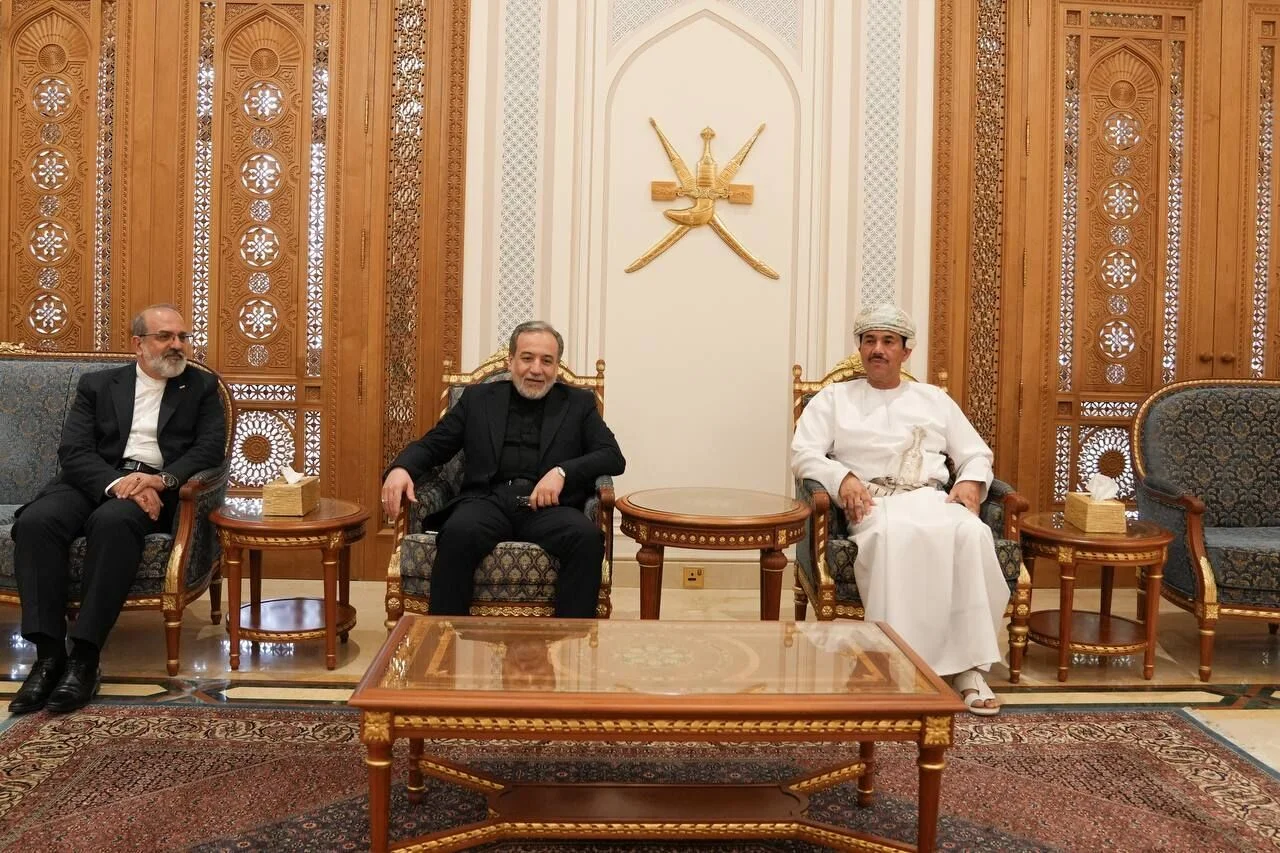
Foreign Minister Araghchi has arrived in Oman to navigate the escalating Strait of Hormuz navigation fee crisis, as domestic markets see a slight dip in currency and gold prices. Meanwhile, Spain battles its deadliest wildfires in years, and the UK remains in shock over the murder of Ann Widdecombe.
At time of publishing
USD
177,450
Toman
Gold 18K
17.47M
Toman / gram
Bitcoin
$64,207
US Dollar
Tether
178,224
Toman
Tehran’s Diplomatic Tightrope in Muscat
Foreign Minister Abbas Araghchi has arrived in Muscat, Oman, at a moment of extreme regional fragility. His visit follows reports of proposed 'navigation fees' for the Strait of Hormuz—a move that has drawn sharp warnings from Washington and sparked fears of a renewed naval blockade. Araghchi’s primary mission is to reiterate Iran’s supposed compliance with the Islamabad Memorandum of Understanding (MoU). By utilizing the Muscat backchannel, the Iranian government is attempting to signal a willingness to de-escalate, even as domestic hardliners continue to demand a more confrontational stance against the 'Maximum Pressure 2.0' tactics emerging from the United States.
The domestic market has reacted to this diplomatic flurry with a rare moment of calm. The USD/IRR rate, which had been creeping toward new highs, saw a slight correction, moving from 178,250 to 177,450 Toman, a decrease of 0.4%. This suggests that traders are pricing in the possibility of a temporary diplomatic freeze rather than immediate military escalation. However, Araghchi’s insistence that 'mutual compliance' is the only solution indicates that Tehran is unwilling to make unilateral concessions, leaving the threat of further sanctions or maritime disruption on the table if the Oman talks fail to produce a breakthrough.
Security Vigilance Amid Assassination Rhetoric
While Araghchi plays the role of the diplomat in Muscat, the rhetoric back home remains predictably bellicose. Foreign Ministry spokesperson Esmaeil Baqaei recently stated that the Iranian Armed Forces remain on 'high alert,' monitoring enemy movements with extreme vigilance. This defensive posturing comes in the wake of Donald Trump’s latest threats to 'decimate' Iran following reports of chants at the late Supreme Leader’s funeral. The dual-track strategy of the Iranian regime—sending a diplomat to Oman while the military issues warnings—is a classic attempt to project strength internally while seeking a lifeline externally.
For the average Iranian citizen, this geopolitical maneuvering translates directly into price volatility. Gold and coin markets, often seen as a hedge against war, have seen a notable pullback today. The Emami coin dropped from 181,500,000 to 178,000,000 Toman, a significant 1.9% decrease. Similarly, 18k gold fell from 17,590,839 to 17,466,180 Toman per gram (-0.7%). This cooling suggests that while the government speaks of 'vigilance' against enemies, the market is betting that neither side is ready for a full-scale kinetic conflict just yet.
---
Global Crises: From Wildfires to AI Agents
Beyond the Middle East, a series of tragedies and technological shifts are capturing global attention. Spain is currently battling one of its deadliest wildfire seasons on record, with at least 12 people confirmed dead, including four British nationals. The fires have left dozens missing and forced massive evacuations, highlighting the increasing vulnerability of Mediterranean tourism hubs to extreme climate events. This disaster is likely to have a ripple effect on EU insurance markets and regional travel stocks, adding another layer of uncertainty to an already volatile summer for the European economy.
In the world of finance and technology, Robinhood has announced that its 'AI agent' feature will soon be available to crypto traders. With over 70,000 accounts already utilizing the beta version for equities, the move into crypto marks a significant step toward the full automation of retail trading. As AI agents begin to execute complex trades based on real-time news and sentiment, the traditional 'human' element of market reaction is being replaced by algorithms. This shift could lead to even faster flash crashes or surges, as seen in the recent volatility of Bitcoin, which currently coils below the $64,700 resistance level.

The Murder Probe of Ann Widdecombe
In the United Kingdom, the investigation into the murder of former MP Ann Widdecombe has taken a frustrating turn for authorities. Police recently released a 26-year-old man who was arrested on suspicion of the killing, stating he is no longer part of the investigation. The lack of a clear suspect has left the British political establishment in a state of shock, with Prime Minister Keir Starmer calling for unity across political lines. The case has reignited fierce debates regarding the safety of public figures in an increasingly polarized political climate, mirroring similar concerns in France where Marine Le Pen’s popularity remains high despite legal challenges.
Frequently Asked Questions
Why is Foreign Minister Araghchi in Oman right now?
How has the Iranian market reacted to the recent geopolitical threats?
What is the 'Islamabad MoU' mentioned by Araghchi?
Freedom of Navigation and the Strait of Hormuz
The headline's mention of a potential 'Hormuz Toll' crisis immediately brings to light the critical concept of Freedom of Navigation, a cornerstone of international maritime law. This principle dictates that vessels of all nations have the right to travel through international waters without undue interference from coastal states. It is crucial for global trade, energy supply, and geopolitical stability, ensuring that the vast majority of the world's goods and resources can move freely across oceans.
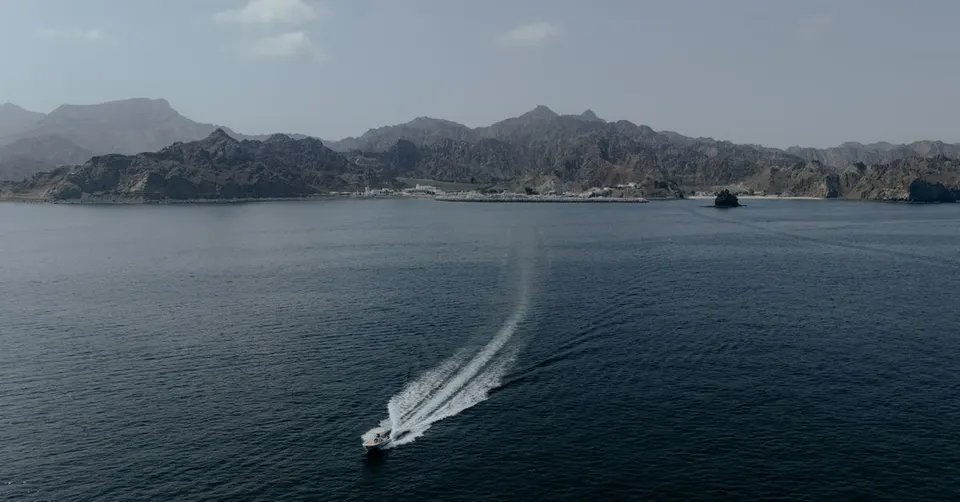
The Strait of Hormuz, connecting the Persian Gulf with the Arabian Sea, is arguably the world's most strategically important oil transit chokepoint. Approximately one-fifth of global oil consumption, along with a significant portion of liquefied natural gas (LNG), passes through this narrow waterway. The United Nations Convention on the Law of the Sea (UNCLOS) generally governs transit passage through such international straits, granting all ships and aircraft the right of unimpeded transit, provided they proceed without delay and refrain from any threat or use of force against coastal states.
However, the application of Freedom of Navigation in critical chokepoints like the Strait of Hormuz is frequently a source of geopolitical tension. Coastal states, such as Iran and Oman, assert sovereign rights over their territorial waters within the Strait, sometimes leading to disputes over what constitutes 'unimpeded transit' or what fees, if any, can be levied. A 'Hormuz Toll' could be interpreted as a challenge to the established international right of transit passage, potentially escalating regional tensions and disrupting global energy markets, as any perceived threat to shipping security in the Strait can cause oil prices to spike.
Ultimately, the ongoing discussions and diplomatic efforts surrounding issues like a 'Hormuz Toll' underscore the delicate balance between national sovereignty and the imperative of maintaining international maritime order. Upholding the principle of Freedom of Navigation in vital waterways like the Strait of Hormuz is essential for ensuring the smooth flow of global commerce and preventing conflicts that could have far-reaching economic and security implications for the entire world.