Trump’s 'Strike & Talk' Strategy: 170 Targets Hit as Hormuz 'Toll' Proposals Surface
استراتژی «ضربه و مذاکره» ترامپ: حمله به ۱۷۰ هدف همزمان با پیشنهاد «عوارض عبور» در هرمز
President Trump maintains a dual-track policy of military escalation and diplomatic openness, while Europe weighs controversial maritime fees for the Strait of Hormuz.
At time of publishing
USD
177,950
Toman
Gold 18K
17.66M
Toman / gram
Bitcoin
$64,121
US Dollar
Tether
178,525
Toman
Market Open — Tensions Simmer, Rial Holds Breath
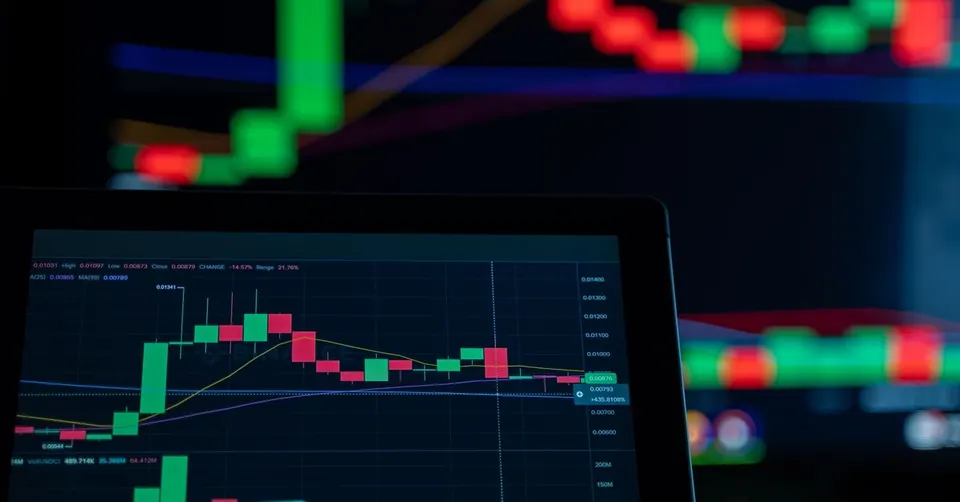
Good morning from the Arzbin desk. As of 09:30 Tehran time, the currency market is showing a surprising resilience despite the heavy geopolitical headlines overnight. The US Dollar (USD) experienced a marginal decline, falling from 178,250 to 177,950 Toman, a dip of 0.2%. This suggests that local traders had already priced in much of the 'maximum pressure' rhetoric, or perhaps they are clinging to the 'negotiation' half of the current US strategy. Meanwhile, Gold 18k followed the global upward trend, rising 0.4% to reach 17,660,095 Toman per gram, as the global ounce sits at a staggering $4,121.40.
In the coin market, the Emami coin saw a slight correction, dropping 0.3% to 181,000,000 Toman. Bitcoin remains the digital safe haven of choice for many, holding steady at $64,121. The market atmosphere is one of 'cautious observation'; while the rhetoric is hot, the actual capital flows are not yet signaling a panic breakout. Investors seem to be waiting for the outcome of the high-stakes diplomatic meetings scheduled for this weekend in Oman.
The 'Strike and Talk' Doctrine — 170 Targets and a Phone Line
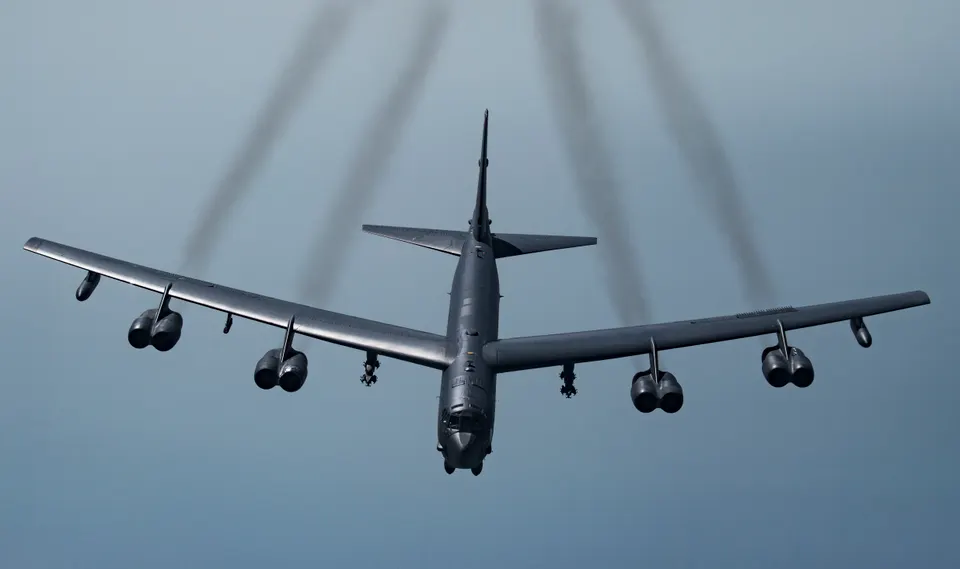
President Donald Trump has doubled down on a confusing yet high-stakes 'dual-track' policy toward Iran. Overnight, U.S. forces launched strikes against more than 170 targets, including air defense systems, drone storage sites, and military speedboats. This is a significant escalation in kinetic activity, yet in the same breath, Trump posted on Truth Social that 'Negotiations with Iran will continue.' It is a classic display of his 'Art of the Deal' applied to geopolitics: applying maximum physical leverage while keeping the diplomatic door ajar to avoid an all-out regional conflagration.
However, the rhetoric took a darker turn as Trump warned that the U.S. is prepared to 'completely decimate' Iran if any attempts are made on his life or the lives of U.S. officials. He claimed that orders have already been given to the military to be 'ready, willing, and able' for a one-year period to destroy all areas of the country if a specific red line is crossed. For the Iranian reader, this translates to an era of extreme volatility where a single miscalculation could shift the environment from 'tough sanctions' to 'active conflict' in a matter of hours.
The Hormuz Bottleneck — From Military Escorts to 'Navigational Fees'
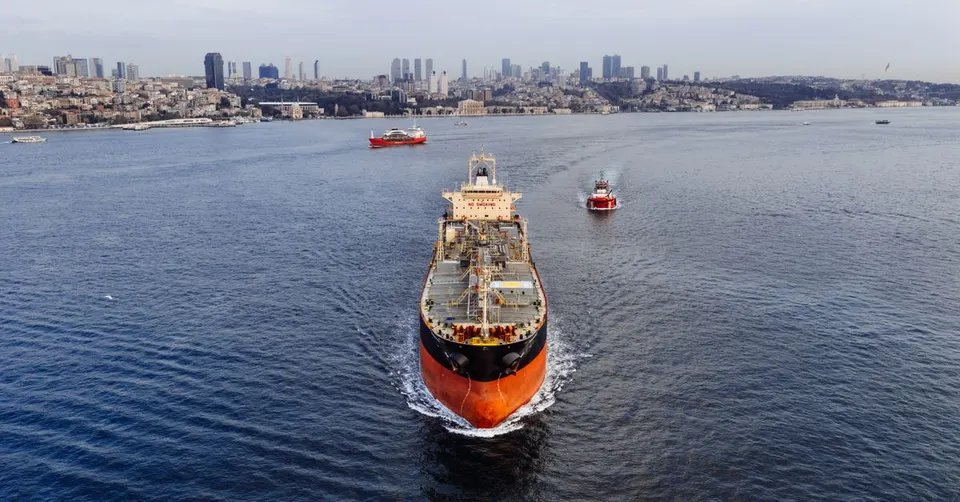
In a move that could fundamentally change the economics of global shipping, European officials, led by Britain’s David Lammy, are reportedly studying proposals to allow 'navigational fees' in the Strait of Hormuz. The idea is to create a system where ships pay for specific navigational services, similar to the English Channel or the Strait of Malacca. While Lammy warned that 'compulsory' tolls would be disastrous, the mere fact that Europe is discussing a fee-based model suggests they are looking for ways to de-escalate the military standoff by formalizing the strait’s status.
Simultaneously, Vice-President JD Vance is headed to Oman to demand a public pledge from Iran to stop targeting commercial vessels. The U.S. position is clear: the strait must remain open and safe for all. This creates a complex three-way negotiation between Washington, Tehran, and Brussels. If a fee system is implemented, it could provide a face-saving economic exit for all parties, but it also risks setting a precedent for 'toll-booth diplomacy' in international waters, which could drive up insurance premiums and oil prices in the long run.
Global Ripples — Energy Security and Suspicious Crimes
Beyond the immediate U.S.-Iran axis, the ripple effects are being felt in Central Asia. Kazakhstan has extended its petroleum export ban for another six months as tensions in the Persian Gulf flare. Kazakh officials are increasingly possessive of their fuel supplies as Russia faces its own internal shortages and the risk of a Hormuz closure looms. This 'energy nationalism' is a direct consequence of the instability in the Middle East, as nations scramble to secure their own reserves in anticipation of a potential supply shock.
Finally, in a story that gripped the UK overnight, the 26-year-old man arrested on suspicion of murdering former MP Ann Widdecombe has been released. While seemingly unrelated to Middle Eastern markets, such high-profile security lapses in Western capitals contribute to a general sense of global instability. For the Iranian investor, the takeaway is that the entire world is currently in a state of flux—from the safety of the English countryside to the shipping lanes of the Persian Gulf—making gold and hard assets the only reliable anchors in a stormy sea.
Frequently Asked Questions
Why is the Rial stable despite 170 US strikes on Iran?
What are the proposed 'navigational fees' for the Strait of Hormuz?
How does the $4,121 gold price impact the Iranian market?
Why the Strait of Hormuz Matters: Chokepoints, Navigation Fees, and Global Oil
The Strait of Hormuz is one of the world’s most critical maritime chokepoints, a narrow waterway that funnels roughly 20% of global petroleum traffic each day. Because the passage is only about 21 nautical miles wide at its narrowest point, any disruption—whether from geopolitical tension, piracy, or the imposition of navigation fees—can ripple through oil markets, influencing prices for gasoline, jet fuel, and even commodities like gold that are priced in dollars.
Navigation fees, sometimes called pilotage or transit fees, are charges levied by coastal states for the safe passage of vessels through their territorial waters. In the case of Hormuz, Iran has floated the idea of a “toll” for ships transiting the strait, a move that would effectively monetize a strategic asset. While such fees can generate revenue for the host nation, they also raise the cost of shipping, which is typically passed on to consumers and can amplify inflationary pressures, especially in oil‑importing economies.
The strategic importance of Hormuz also explains why the United States and its allies have historically maintained a strong naval presence there. The “Maximum Pressure” strategy—first articulated under the Trump administration and now evolving into “Maximum Pressure 2.0”—relies on economic sanctions and the threat of military action to deter Iran from threatening the free flow of oil. Any escalation, such as the 2026 strikes referenced in recent headlines, would likely be aimed at preserving the strait’s openness while signaling that attempts to impose tolls or block traffic would meet a robust response.
Beyond oil, the strait’s stability influences broader financial markets. When oil supply is perceived as threatened, investors often flock to safe‑haven assets like gold, pushing its price higher. This dynamic helps explain why spikes in gold prices—sometimes quoted in local currencies like the Iranian toman—can coincide with heightened tensions in Hormuz. Understanding the interplay between chokepoints, navigation fees, and global commodity markets is essential for grasping how regional disputes can have worldwide economic consequences.
For policymakers and investors alike, the key takeaway is that the economics of a narrow waterway extend far beyond the immediate fees. They intersect with sanctions regimes, military strategy, and even the valuation of precious metals, making the Strait of Hormuz a focal point for both geopolitical analysis and market forecasting.