Bardella’s Ascent in France and the Rial’s Quiet Rally: A Global Shift in Focus
صعود باردلا در فرانسه و عقبنشینی دلار در تهران؛ تغییر موازنه در بازارهای جهانی و سیاست اروپا
Jordan Bardella takes center stage in France as Marine Le Pen faces legal hurdles, while the Iranian Rial gains ground amid regional diplomatic shifts. From the West Bank to the cricket grounds of Lord's, we analyze the stories shaping the global landscape this hour.
At time of publishing
USD
176,000
Toman
Gold 18K
17.45M
Toman / gram
Bitcoin
$64,304
US Dollar
Tether
176,802
Toman
The Rise and Pause of Jordan Bardella: France’s New Reality
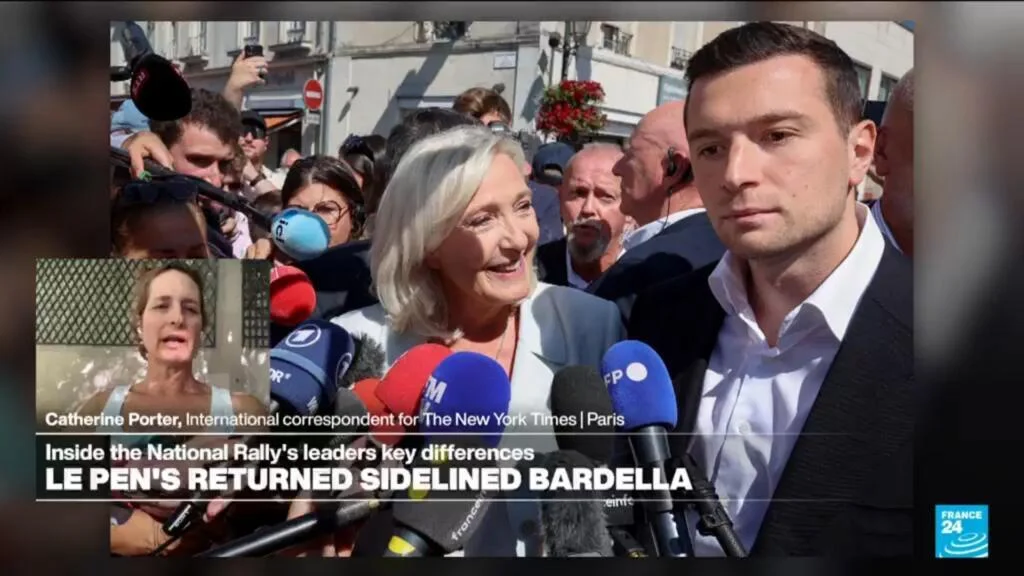
The political landscape in France has undergone a seismic shift this week following a pivotal court ruling regarding Marine Le Pen. An appeals court upheld the guilty verdict against the far-right leader for misappropriating European Parliament funds, but in a surprising twist, reduced her five-year ban from public office to just fifteen months. With the court considering time already served, the immediate threat to her political career has been mitigated, yet the shadow of the ruling has accelerated the ascent of her protégé, Jordan Bardella. As the National Rally’s most visible and popular figure, Bardella is increasingly seen not just as a successor, but as the primary engine for the party’s mainstream acceptance.
This development matters because it signals a transition from the old guard of French nationalism to a more polished, media-savvy generation. Bardella’s popularity among younger voters and his ability to navigate the complexities of European policy make him a formidable force in the European Parliament and beyond. For global markets, a France led or heavily influenced by Bardella represents a potential challenge to EU integration, though his recent rhetoric suggests a more pragmatic approach to economic stability than his predecessors. The "pause" in Le Pen’s career might ironically be the catalyst that finally pushes the National Rally into the highest echelons of power.
Market Psychology: The Rial’s Recovery and the Cost of Waiting
In the local markets, the Iranian Rial has shown resilience today, with the USD selling price moving from 178,250 to 176,000 Toman, marking a 1.3% decrease. This cooling of the currency market is mirrored in the gold sector, where the Emami coin saw a significant 3.0% drop, falling from 181,500,000 to 176,000,000 Toman. These shifts appear to be driven by a combination of regional diplomatic signals—specifically the ongoing talks in Oman—and a temporary stabilization in global gold prices, which currently sit at $4,121.40 per ounce. For the average investor in Tehran, this breather provides a moment to reassess portfolios that have been battered by recent volatility.
Interestingly, a cautionary tale from the global markets highlights the dangers of over-calculating for the future. A recent report detailed how a widow lost $50,000 by turning down a Social Security survivor check at age 60 in hopes of securing a larger payout later. This serves as a stark reminder for market participants in Iran: in hyper-inflationary or highly volatile environments, the "bird in the hand" principle often outweighs the theoretical gains of waiting. Whether it is holding USD or waiting for a gold peak, the psychological trap of seeking the perfect exit point can often lead to substantial missed opportunities.
Geopolitical Friction: From the West Bank to the Cricket Pitch
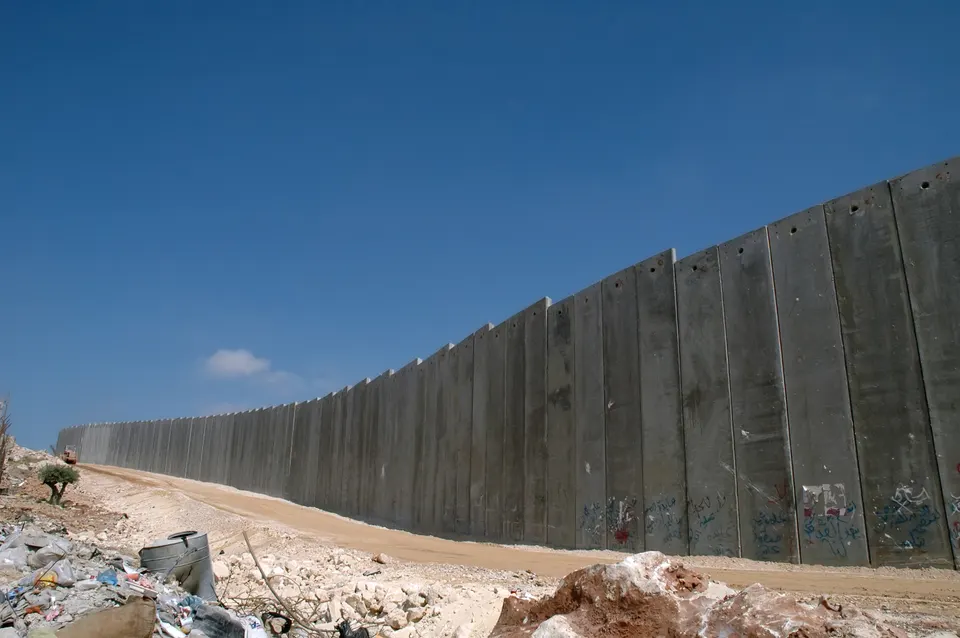
Tensions in the Middle East took an unexpected turn as US Democratic Representative Ro Khanna reported being detained by armed Israeli settlers in the occupied West Bank. Khanna, a prominent voice in the progressive wing of the Democratic party, was held for 90 minutes, an incident that is likely to intensify the debate in Washington over unconditional support for settlement expansion. This event is not merely a diplomatic hiccup; it reflects the growing friction between US lawmakers and the ground realities of the conflict, which could eventually translate into policy shifts or stricter conditions on military aid, impacting the broader regional security architecture.
Meanwhile, in the world of sports and soft power, Iranian football clubs have officially lodged a protest with the Asian Football Confederation (AFC) over the revocation of their hosting rights. This move by the AFC, often cited as a response to security concerns, is viewed by Tehran as a politically motivated attempt to isolate the country further. For the Iranian public, football is more than a game; it is a rare window into international engagement. The loss of hosting rights not only hurts the domestic sports economy but also deepens the sense of international exclusion, fueling a narrative of systemic bias that the government frequently uses to consolidate domestic sentiment.
On a lighter but equally competitive note, the global sporting stage saw India take commanding control against England at Lord's. India leads by 269 runs heading into day three, a performance that underscores the shift in global cricket dominance. While seemingly unrelated to hard economics, these massive sporting events drive significant betting markets and broadcasting revenues, reflecting the immense soft power and economic weight of the Indian diaspora and its domestic market.
Frequently Asked Questions
Why is the Iranian Rial gaining value today?
What does Marine Le Pen's court ruling mean for Jordan Bardella?
How does the detention of Ro Khanna affect US-Israel relations?
How Geopolitical Shifts Influence Currency Markets and Asset Prices
The global economy is a complex web where political developments, even in seemingly distant regions, can ripple through financial markets. The headline juxtaposing Jordan Bardella’s ascent in France with the Iranian Rial’s rally and gold coin price drop highlights this interconnectedness. While a direct causal link might not always be immediately apparent, significant political shifts in major economies, or changes in geopolitical tensions, invariably alter investor sentiment, risk perception, and ultimately, the valuation of currencies and other assets worldwide.
One primary mechanism through which geopolitics impacts markets is by influencing risk perception and capital flows. Political instability, elections leading to unexpected outcomes, or shifts in power dynamics within a major global player like France can increase global uncertainty. Investors, seeking to protect their capital, might move funds from perceived riskier assets or regions to safer havens, affecting exchange rates. Conversely, a perceived de-escalation of tensions or improved diplomatic prospects—such as Iran-Oman negotiations—can boost confidence, potentially strengthening a local currency like the Rial as capital returns or domestic demand for foreign currency decreases.
For economies heavily impacted by international relations, such as Iran, geopolitical factors directly dictate critical economic levers. Sanctions regimes, trade relationships, and access to global markets for key exports like oil are all profoundly shaped by geopolitical developments. A “quiet rally” in the Rial or a drop in Emami gold coin prices could signal market expectations of improved international relations, potential sanctions relief, or more stable domestic economic policies. These expectations can reduce the incentive to hold foreign currency or gold as a hedge against inflation and instability, thereby strengthening the local currency.
In essence, the “Global Shift in Focus” mentioned in the headline underscores that no economy or market exists in isolation. From the political landscape of Europe to diplomatic overtures in the Middle East, these events contribute to a broader geopolitical narrative that constantly redefines the global economic outlook. Understanding these intricate connections is crucial for anyone seeking to comprehend the forces driving currency fluctuations and asset valuations in our increasingly interdependent world.