Polish PM's WWII Pledge, Iran's Revenge Vow, and Market Shifts
قول نخستوزیر لهستان درباره جنگ جهانی دوم، سوگند انتقام ایران و تحولات بازار
The Polish Prime Minister has pledged a memorial for WWII victims, igniting historical tensions with Ukraine. Meanwhile, Iran's supreme leader vows revenge for a recent killing, raising regional concerns. In markets, Bitcoin ETFs saw inflows while gold prices dipped slightly.
At time of publishing
USD
176,000
Toman
Gold 18K
17.45M
Toman / gram
Bitcoin
$64,201
US Dollar
Tether
177,016
Toman
Poland Pledges WWII Memorial, Rekindling Historical Tensions
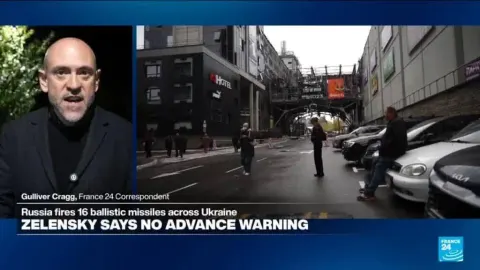
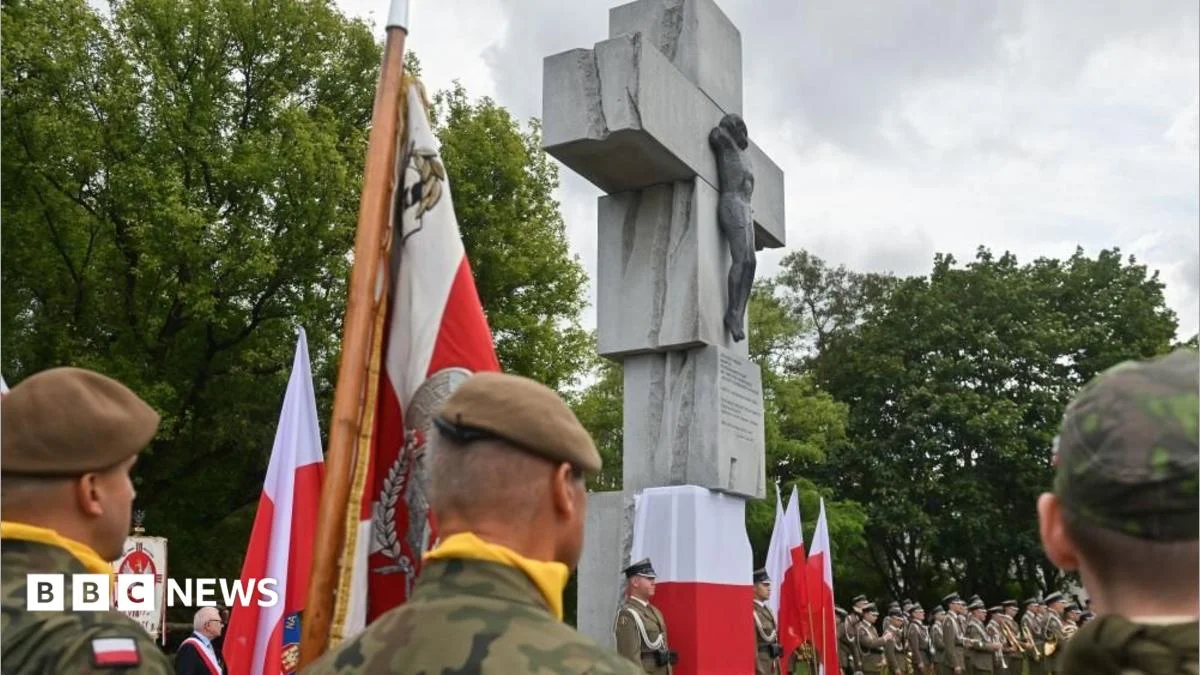
Polish Prime Minister Donald Tusk has announced plans to erect a memorial dedicated to the victims of what he termed a "genocide by Ukrainian nationalists" during World War II. This pledge, aimed at acknowledging historical grievances, has predictably stirred significant unease in Kyiv. For decades, Poland and Ukraine have grappled with the painful legacy of mass civilian killings that occurred during the war, a period marked by complex allegiances and brutal atrocities. The proposed memorial risks reopening deep wounds and potentially complicating current geopolitical alignments, especially given the ongoing conflict in Ukraine.
This development arrives at a particularly sensitive time, with Eastern Europe already on edge due to regional security concerns. While the intent may be to honor past victims, the timing and framing could be interpreted by some in Ukraine as an attempt to shift historical blame or create a diplomatic rift. The implications for broader European solidarity, particularly in the face of external threats, are significant. It underscores how historical narratives, even those predating current conflicts, can quickly become entangled in contemporary geopolitical maneuvering and impact inter-state relations.

---
Iran's Supreme Leader Vows Revenge Amid Regional Uncertainty
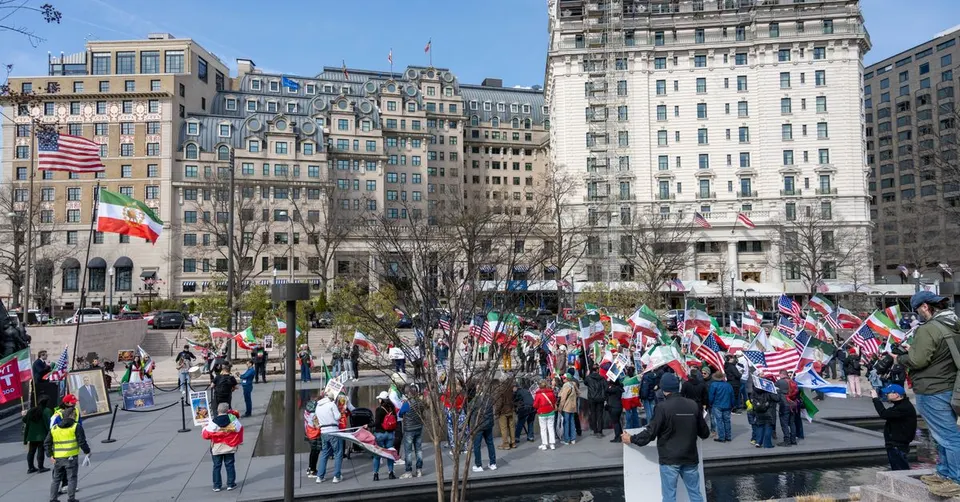
Ayatollah Ali Khamenei, Iran's Supreme Leader, has issued a stark vow of revenge following the burial of his father, Mojtaba Khamenei, stating that vengeance is "inevitable." This declaration comes in the wake of a recent killing, which Khamenei attributes to a "US-Israeli war on Iran." The statement intensifies existing regional tensions and signals a potential escalation in retaliatory actions. The specific target and nature of this promised revenge remain unclear, but the rhetoric suggests a heightened state of alert and a hardening of Iran's stance.
This announcement from the highest echelons of Iranian leadership is likely to be closely monitored by global powers and regional actors. It adds another layer of complexity to an already volatile geopolitical landscape, particularly concerning the Strait of Hormuz and ongoing diplomatic efforts. The market reaction, while currently muted in the Toman as USD/IRR saw a 1.3% drop, reflects a cautious wait-and-see approach. However, any concrete action taken by Iran in response to the perceived aggression could have significant ripple effects on oil prices, global trade routes, and broader investor confidence.
---
Markets See Inflows for Bitcoin ETFs, Gold Dips Slightly
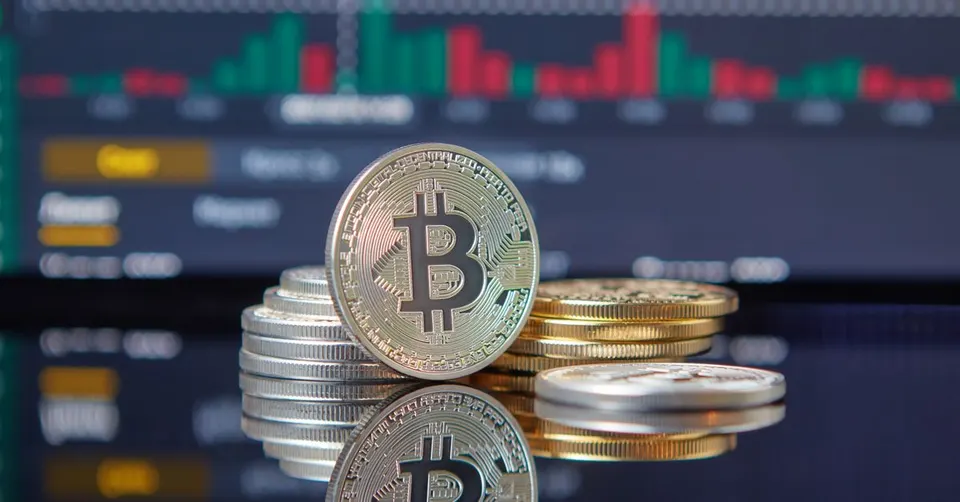
In the cryptocurrency sphere, Bitcoin and Ethereum Exchange-Traded Funds (ETFs) have broken an eight-week streak of outflows, recording a combined inflow of $282 million. This marks a notable rebound, recovering approximately 3% of the $9.46 billion that had been withdrawn during the preceding period. While this inflow signifies renewed investor interest, it is important to note that the market is still in a recovery phase from a significant outflow trend. The overall sentiment appears to be shifting, with investors potentially seeing value in crypto assets again despite broader economic uncertainties.
Conversely, traditional safe-haven assets experienced a slight correction. The price of 18k gold per gram saw a 0.8% decrease, moving from 17,590,839 Toman to 17,452,329 Toman. Similarly, Emami coins, a popular gold coin in Iran, dropped by a more significant 3.0%, from 181,500,000 Toman to 176,000,000 Toman. The USD/IRR also saw a 1.3% decrease, falling from 178,250 to 176,000 Toman. These movements suggest a marginal shift in investor preference, potentially favoring riskier assets like cryptocurrencies over gold in the short term, or reflecting specific market dynamics within Iran. The reasons for this rotation are multifaceted, likely influenced by geopolitical developments and evolving economic outlooks.
Frequently Asked Questions
What is the historical context of the Polish-Ukrainian dispute over WWII?
Why is Iran's vow of revenge significant now?
What does the inflow into Bitcoin and Ethereum ETFs indicate?
How are gold prices performing in Iran currently?
What is the current trend for the USD/IRR exchange rate?
How Economic Sanctions Shape Currency, Gold, and Crypto Markets
Economic sanctions are tools that governments use to pressure other nations by restricting trade, finance, and investment. When a country like Iran faces broad sanctions, its official currency – the Iranian rial (IRR) – often loses value against major currencies such as the US dollar. The loss of confidence in the rial drives people and businesses to seek more stable stores of value, pushing up demand for foreign currency, gold, and increasingly, cryptocurrencies.
Gold has long been a traditional hedge against currency devaluation and geopolitical uncertainty. Sanctioned economies frequently see spikes in gold imports and domestic prices because gold can be bought in cash and moved across borders with fewer regulatory hurdles than fiat money. In Iran, for example, sanctions have led to a surge in gold purchases as citizens try to preserve wealth, which in turn raises the local gold price relative to the global market.
The rise of digital assets adds a new dimension to this dynamic. Bitcoin and Ethereum exchange‑traded funds (ETFs) have attracted inflows from investors looking for assets that are not directly tied to any single nation's monetary policy. For sanctioned markets, crypto offers a quasi‑anonymous way to store value and conduct cross‑border transactions, bypassing traditional banking channels that are often blocked by sanctions.
However, the relationship between sanctions, currency depreciation, and commodity/crypto demand is not linear. While sanctions can boost gold and crypto prices, they also shrink the overall economy, reducing the amount of capital available for investment. Moreover, secondary sanctions can deter foreign firms from dealing with sanctioned nations, limiting the channels through which gold or crypto can be legally imported or exchanged. Understanding these trade‑offs helps investors gauge the risk premium that geopolitical events embed in asset prices.
In short, sanctions create a cascade: weakened local currency → higher demand for safe‑haven assets like gold and crypto → increased price volatility in those markets. Monitoring sanction regimes and their economic fallout is therefore essential for anyone tracking emerging‑market currencies, commodity prices, or the crypto space.