Iran Escalates Regional Attacks; Ebola Trial Begins in DRC; EU Eyes Defense Independence
ایران تنشهای منطقهای را افزایش داد؛ آغاز آزمایش ابولا در کنگو؛ اتحادیه اروپا به دنبال استقلال دفاعی
Amidst escalating tensions in the Middle East, Iran has reportedly launched attacks on Gulf nations following new US strikes. Simultaneously, a groundbreaking Ebola treatment trial has commenced in the Democratic Republic of Congo, marking a significant step in global health efforts. In Europe, a lawmaker is calling for enhanced joint defense capabilities to reduce reliance on the United States.
At time of publishing
USD
178,100
Toman
Gold 18K
17.65M
Toman / gram
Bitcoin
$63,968
US Dollar
Tether
178,470
Toman
Iran Escalates Regional Tensions with Gulf State Attacks
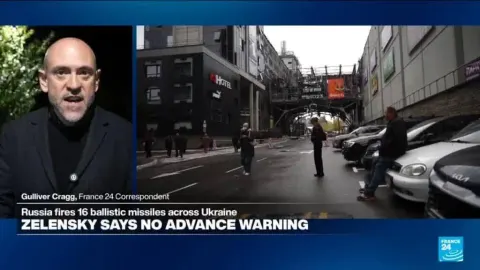
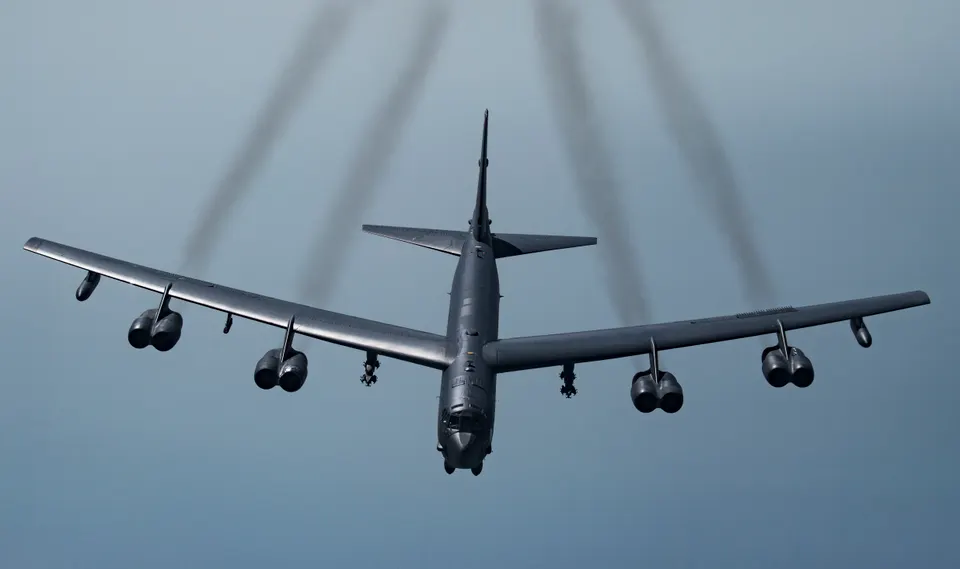
In a dramatic escalation of Middle Eastern tensions, Iran has reportedly launched a series of missile and drone attacks against several Gulf states, including Bahrain, Qatar, Oman, and the UAE. These strikes follow a night of reported US military actions against Iranian targets. State media in Iran has also indicated a closure of the Strait of Hormuz, a critical global oil transit route, further exacerbating the volatile situation. The attacks have resulted in injuries in Qatar due to falling shrapnel, underscoring the immediate human impact of this renewed confrontation.
This development signals a significant step-up in retaliatory actions, moving beyond cyber or proxy engagements to direct strikes. The reported closure of the Strait of Hormuz, if confirmed and sustained, could have immediate and severe repercussions for global energy markets, potentially driving up oil prices and disrupting supply chains. The interconnectedness of regional security and global economic stability means that these events in the Persian Gulf could soon be felt far beyond the immediate vicinity, impacting currency expectations and confidence among Iranian readers and international investors alike.
---
Record-Breaking Ebola Treatment Trial Launched in DRC
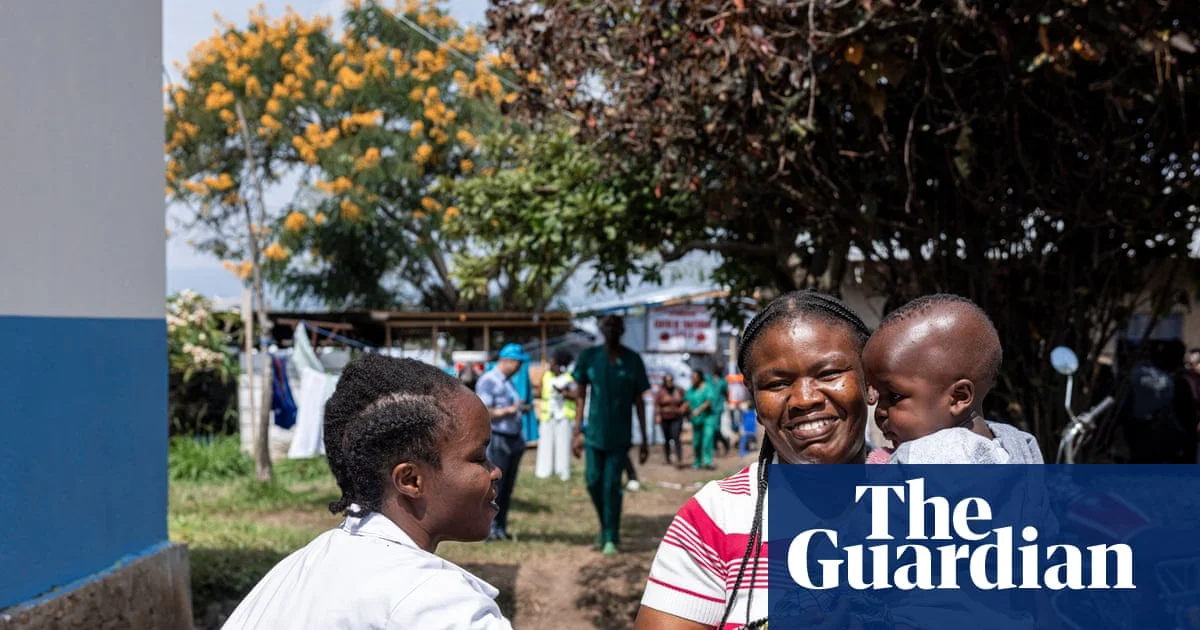
The global health community is marking a significant milestone with the commencement of a record-breaking Ebola treatment trial in the Ituri region of the Democratic Republic of Congo (DRC). The trial, which began just six weeks after the outbreak was declared a public health emergency by the World Health Organization, aims to rapidly assess two experimental drugs with the potential to significantly reduce mortality rates. Scientists have hailed the speed at which this critical research has been initiated, emphasizing the urgency given the ongoing public health crisis.
The swift establishment of this trial reflects a concerted global effort to combat the deadly virus, learning from past outbreaks to accelerate therapeutic development. By enrolling the first patients so rapidly, researchers hope to gather crucial data on drug efficacy and safety in a timely manner. This development offers a beacon of hope in a region struggling with a devastating epidemic, and its success could pave the way for faster responses to future outbreaks worldwide, potentially influencing international aid and public health policy that could indirectly affect global stability and confidence.

---
European Lawmaker Calls for Joint EU Defense Structures
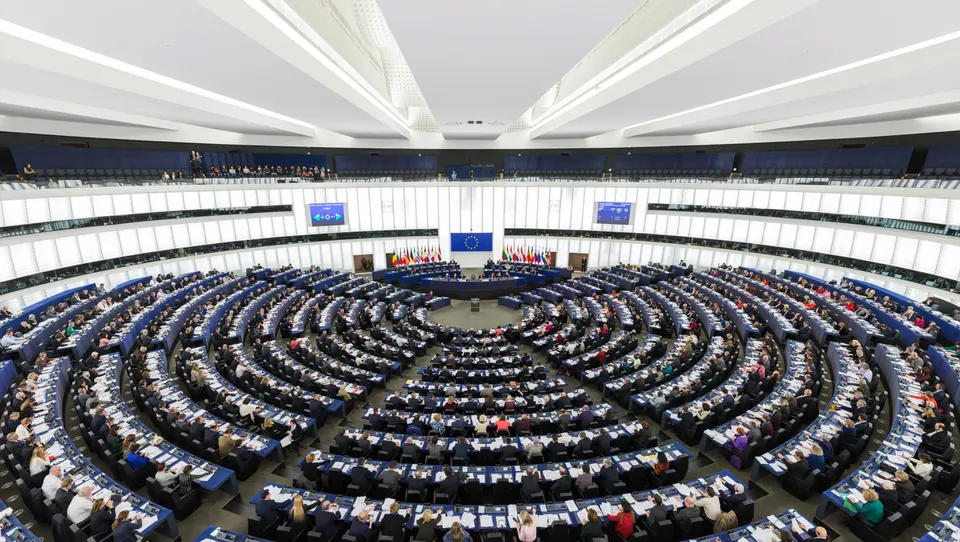
A prominent European lawmaker has voiced a call for the establishment of robust, joint defense structures within the European Union. Manfred Weber, chairman of the European People's Party (EPP) Group in the European Parliament, suggested that EU members of NATO should develop integrated European defense capabilities. His proposal aims to foster greater strategic autonomy for the bloc, thereby reducing its reliance on the United States for security guarantees. This initiative comes at a time of shifting geopolitical alliances and evolving security challenges across the globe.
This push for enhanced European defense autonomy is driven by a recognition of the need for greater self-sufficiency in security matters, particularly in light of ongoing global uncertainties and potential shifts in US foreign policy priorities. By pooling resources and developing common defense frameworks, European nations could bolster their collective security posture and respond more effectively to regional threats. Such a strategic shift could have broader implications, potentially altering defense spending patterns, influencing international relations, and indirectly impacting global market sentiment by signaling a move towards a more multi-polar security landscape, which could eventually filter into currency expectations and investment confidence.
Frequently Asked Questions
What is the immediate impact of Iran's reported attacks on Gulf states?
Why is the Ebola treatment trial in the DRC considered record-breaking?
What is the motivation behind the call for joint EU defense structures?
How might these geopolitical events affect currency markets, particularly the Iranian Toman?
The Geopolitical Significance of the Strait of Hormuz
The Strait of Hormuz is a narrow, strategically vital waterway connecting the Persian Gulf to the Gulf of Oman and the Arabian Sea. At its narrowest point, it is only about 21 miles (33 kilometers) wide, with shipping lanes just two miles (3.2 kilometers) wide in each direction. Despite its modest size, this maritime passage is arguably the world's most critical oil transit choke point, making it a focal point for global energy security and geopolitical tensions, particularly in the context of "Iran attacks" and "Gulf states."
Each day, an astounding volume of crude oil, petroleum products, and liquefied natural gas (LNG) passes through the Strait of Hormuz. Estimates suggest that approximately one-fifth of the world's total petroleum liquids consumption, and a significant portion of its LNG, transits this strait. This makes it indispensable for the energy exports of major producers like Saudi Arabia, Iran, UAE, Kuwait, and Iraq, directly impacting global oil prices and the stability of international energy markets. Any disruption here would send immediate shockwaves across the global economy.
Its strategic importance extends beyond energy. The Strait of Hormuz is a critical naval corridor, enabling the projection of power and safeguarding trade routes. However, this also makes it a vulnerable point in times of conflict. Tensions in the Middle East, such as those involving Iran and its neighbors, often manifest around this strait. Threats to shipping, naval exercises, or actual attacks can quickly escalate into international crises, demonstrating how local conflicts in a geographically constrained area can have profound global economic and political repercussions. Understanding the Strait of Hormuz is thus key to grasping the dynamics of Middle Eastern geopolitics and global energy security.