War Reaches Tehran: US Strikes Expand to Capital as IRGC Retaliates Across Gulf; Markets Braced for Hormuz Shutdown
جنگ به تهران رسید؛ حملات گسترده آمریکا و پاسخ موشکی سپاه در منطقه؛ سایه انسداد هرمز بر اقتصاد جهانی
The Middle East conflict has escalated to a direct confrontation with reports of explosions in Tehran and US strikes on Iranian soil. As the IRGC retaliates against US bases in Bahrain and Jordan, the IEA warns of a global economic shock within weeks.
At time of publishing
USD
188,600
Toman
Gold 18K
18.35M
Toman / gram
Bitcoin
$64,622
US Dollar
Tether
188,450
Toman
Direct Confrontation: US Strikes Hit Tehran as IRGC Targets Regional Bases
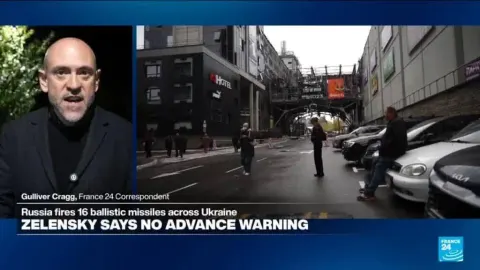
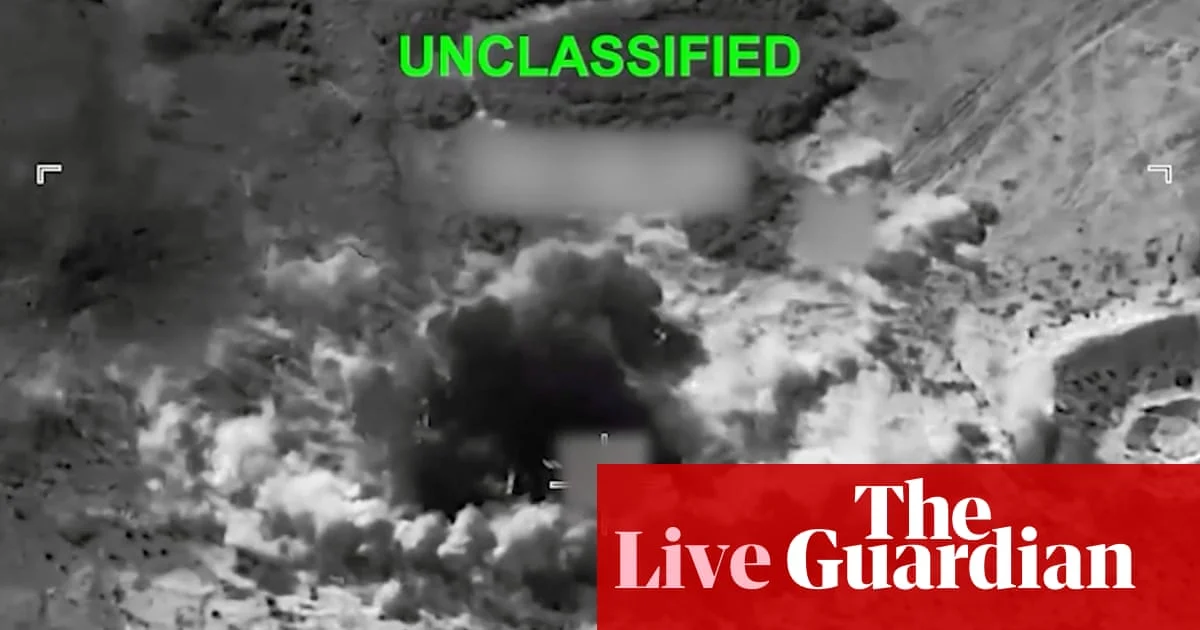
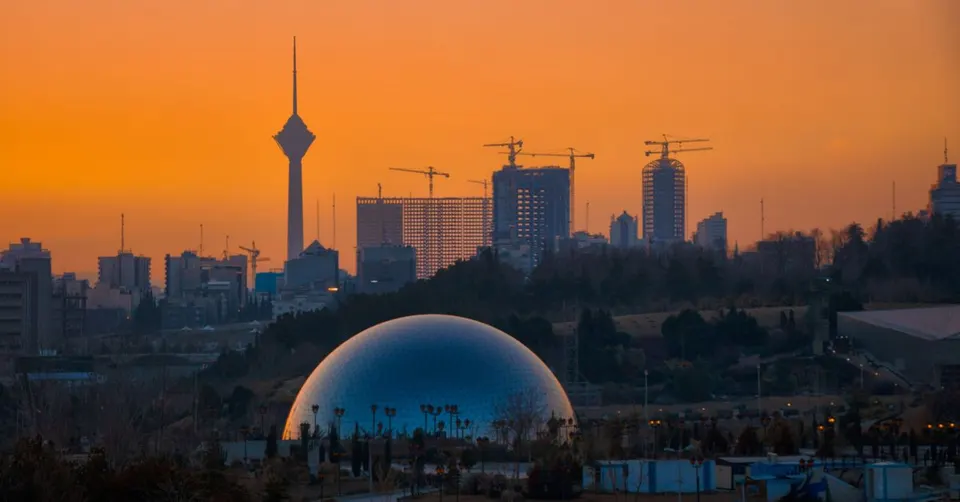
The conflict between the United States and Iran has reached a dangerous new threshold this morning. Following five days of escalating skirmishes, reports indicate that US strikes have expanded into northern Iran, with explosions heard in the capital, Tehran. The US military confirmed it used Hellfire missiles to disable an unladen oil tanker attempting to reach Kharg Island, effectively enforcing a naval blockade in the Strait of Hormuz. This move is a significant departure from previous "tit-for-tat" engagements, signaling a shift toward a full-scale regional confrontation that threatens to paralyze global energy routes and has already sent shockwaves through domestic currency markets.
In immediate retaliation, the Islamic Revolutionary Guard Corps (IRGC) claimed responsibility for strikes against US military positions across Bahrain, Kuwait, and Jordan. While state media portrays these as successful "punitive measures," the reality on the ground suggests a chaotic expansion of the front lines. Pakistan’s foreign ministry has stepped in as a mediator, urging both sides to return to the memorandum of understanding signed in June. However, with the US now targeting the Iranian mainland and IRGC missiles flying across multiple borders, the window for diplomatic de-escalation appears to be closing rapidly, leaving the region on the brink of total war.
For the average Iranian citizen, this escalation is immediately visible in the volatility of the currency and gold markets. The US Dollar (USD) has edged up to 188,600 Toman (+0.2%), while the Emami gold coin rose 1.1% to reach 187 million Toman within the last 24 hours. The sense of uncertainty is palpable, as the prospect of a prolonged blockade in the Strait of Hormuz suggests that the economic "shock" warned of by international agencies may manifest as severe domestic inflation and shortages in the coming weeks. The public is increasingly concerned that the current military posture will lead to a total isolation of the Iranian economy from global trade.
Global Geopolitics: German Warnings and a Humanitarian Tragedy in Myanmar
Beyond the immediate conflict zone, the geopolitical landscape is fracturing further. In Europe, German Chancellor Friedrich Merz has issued a stern warning to the Trump administration against interfering in German elections. This follows a controversial US State Department announcement of a grant scheme intended to fund "MAGA-aligned" causes and charities within the European Union. Berlin views this as a direct assault on national sovereignty and a dangerous export of American polarization. The tension highlights a growing rift between Washington and its traditional European allies, as the US shifts toward a more aggressive, interventionist foreign policy that prioritizes ideological alignment over diplomatic norms.

Simultaneously, a humanitarian catastrophe is unfolding in Southeast Asia. The United Nations International Organization for Migration (IOM) reported that more than 500 people are feared dead after two shipwrecks off the coast of Myanmar. The vessels, carrying members of the Rohingya minority, are believed to have capsized while attempting to flee escalating violence in the region. This tragedy underscores the ongoing failure of the international community to address the root causes of displacement and the extreme risks refugees are forced to take. The news has added to the global sense of instability, as regional conflicts and humanitarian crises appear to be spinning out of control simultaneously.
Markets & Tech: Bitcoin Whale Stirs Amid Domestic Price Fluctuations
While the geopolitical landscape burns, the cryptocurrency market is witnessing its own form of "awakening." On-chain data revealed that a Bitcoin "whale" wallet, dormant for eight years, moved 5,908 BTC worth approximately $383 million to a new address. This movement from an "OG" wallet often signals a shift in long-term sentiment, though Bitcoin prices have remained relatively steady near the $64,622 mark. Investors are watching closely to see if this liquidity injection precedes a major sell-off or if it is simply a security-related migration by a long-term holder seeking to capitalize on current market volatility before a potential global downturn.
Domestically, the Iranian gold market is showing a decoupling from global trends. While the global gold ounce sits at a high of $4,025, the local price for 18k gold in Iran actually dropped by 0.9% to 18,352,647 Toman. This discrepancy likely reflects local liquidity shifts as investors move capital toward the Emami coin (+1.1%) or the US Dollar in anticipation of further military escalation. The divergence between international spot prices and local market behavior highlights the unique pressures on the Iranian economy, where fear of conflict often outweighs global commodity trends. The coming days will be critical as the market reacts to the news of strikes within Tehran itself, likely pushing the USD even higher against the Toman.
Frequently Asked Questions
How have the strikes on Tehran affected the USD/IRR exchange rate?
What is the significance of the US blockade in the Strait of Hormuz?
Why is the movement of an 8-year-old Bitcoin wallet significant?
The Strait of Hormuz: Global Energy's Vulnerable Chokepoint
The Strait of Hormuz stands as one of the world's most critical maritime chokepoints, a narrow waterway connecting the Persian Gulf to the open ocean. Its strategic importance cannot be overstated, as it serves as the transit route for a significant portion of the world's seaborne oil and liquefied natural gas (LNG). Roughly one-fifth of global oil consumption, equivalent to about 21 million barrels per day, passes through this strait, along with a substantial amount of LNG from Qatar, making it indispensable for global energy security.
This geographical bottleneck becomes a flashpoint during periods of heightened geopolitical tension, particularly involving Iran, which borders the strait to the north. Iran has, at various times, threatened to close the strait in response to international sanctions or military actions, aiming to disrupt global energy markets and exert leverage. Such a closure, even partial or temporary, would have immediate and severe repercussions, triggering a massive surge in oil and gas prices, disrupting supply chains, and potentially plunging the global economy into crisis.
The international community, recognizing the strait's vital role, views any threat to its free passage as a major concern. Naval forces from several nations regularly operate in the region to ensure the security of shipping lanes. However, the inherent narrowness and strategic location of the strait make it highly vulnerable to disruption, whether through direct military action, mining, or even prolonged naval blockades. Understanding the Strait of Hormuz's role is crucial for comprehending the broader economic and security implications of any major conflict in the Middle East.