
Conagra’s $2B Loss Signals Food Industry Crisis; Toman Tumbles as US Sea Drones Strike Bandar Abbas
بحران در صنایع غذایی با زیان ۲ میلیارد دلاری کوناگرا؛ سقوط ریال همزمان با حملات پهپادی آمریکا به بندرعباس
The global food industry is reeling from Conagra’s massive dividend cut and $2 billion charge, while the Iranian Toman faces a 'war premium' as US sea drones target strategic naval facilities in Bandar Abbas.
At time of publishing
USD
188,400
Toman
Gold 18K
18.51M
Toman / gram
Bitcoin
$64,622
US Dollar
Tether
188,450
Toman
The Volume Cliff: Conagra’s $2 Billion Warning to the Food Industry
The era of easy profits through price hikes appears to have reached a dead end for the packaged-food industry. Conagra Brands, the giant behind household names like Slim Jim and Hunt’s, sent shockwaves through the market on Thursday after announcing a massive $2 billion impairment charge and a significant dividend cut. This move is more than just a corporate restructuring; it is a clear signal that the consumer is finally tapped out. For years, food companies have masked declining sales volumes by raising prices, but the latest results suggest that shoppers are no longer willing or able to absorb the costs of inflation, leading to a "volume cliff" that threatens the entire sector.
What this means for the broader economy is a painful transition. As Conagra’s stock struggles to find a floor, investors are waking up to the reality that the post-pandemic boom in consumer staples is over. The $2 billion charge specifically reflects the diminishing value of some of its core brands, suggesting that brand loyalty is being sacrificed at the altar of affordability. For the average consumer, this might eventually lead to more aggressive discounting and promotions as companies fight to win back market share, but for now, it highlights a deepening malaise in the global retail environment.
The Sea Drone War: US Strikes Target Bandar Abbas Submarine Facilities
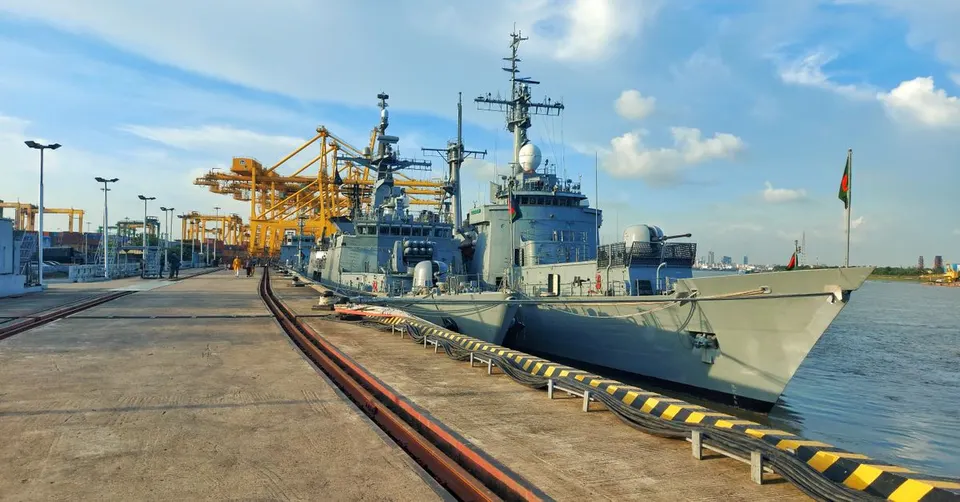
Geopolitical tensions reached a boiling point this hour as the United States military deployed an unprecedented fleet of naval drones against the Iranian port city of Bandar Abbas. According to reports, the strikes specifically targeted a submarine maintenance facility, marking a tactical shift from traditional aerial bombardment to the use of autonomous sea-based systems. This escalation follows a week of renewed missile exchanges between Tehran and Washington, but the precision and nature of the Bandar Abbas attack suggest the US is intent on neutralizing Iran’s naval capabilities without committing to a full-scale ground or air invasion.
The strategic importance of Bandar Abbas cannot be overstated, as it serves as the primary gateway for Iran’s maritime trade and its naval presence in the Persian Gulf. By targeting maintenance facilities, the US is effectively attempting to cripple the operational readiness of the Iranian navy for the long term. While Iranian state media has attempted to downplay the extent of the damage, the psychological and economic impact is already visible. The use of sea drones introduces a new layer of unpredictability to the conflict, leaving Tehran’s defensive strategies struggling to adapt to a high-tech, low-profile adversary.
Market Panic: Toman and Gold Surge as Hormuz Diplomacy Collapses
The domestic market in Iran has reacted with predictable alarm to the escalating military conflict. The USD/IRR exchange rate moved from 183,200 to 188,400 (+2.8%) in just 24 hours, reflecting a total loss of confidence in the short-term stability of the region. This surge is directly linked to the "chaos and confusion" surrounding the Strait of Hormuz, where the 17 June memorandum of understanding has effectively collapsed. With Donald Trump’s administration issuing contradictory statements and the threat of a full maritime blockade looming, the Toman is being treated as a high-risk asset that few want to hold.
Gold has once again proven to be the only sanctuary for Iranian savers. The price of 18k gold per gram rose from 17,856,318 to 18,514,243 (+3.7%), while the Emami coin jumped from 181,000,000 to 185,000,000 (+2.2%). This "war premium" is driven by the fear that a prolonged conflict in the Strait of Hormuz will not only choke off oil exports but also trigger a hyper-inflationary spiral. For the average Iranian, the skyrocketing cost of gold and hard currency is a grim reminder that the economy remains a hostage to geopolitical brinkmanship and the government's inability to de-escalate regional tensions.
SpaceX’s Public Market Reality Check
Elon Musk’s SpaceX is finding that the public markets are far less forgiving than private venture capital. Just one month after its highly anticipated stock market debut, the company’s share price has dropped below its initial offering price. This volatility comes as investors begin to question the long-term profitability of the Starlink satellite constellation and the massive capital expenditures required for the Starship program. While SpaceX remains a dominant force in the aerospace industry, the recent price action suggests that the "Musk Premium"—the tendency for his companies to trade at astronomical valuations based on personality alone—may be starting to fade.
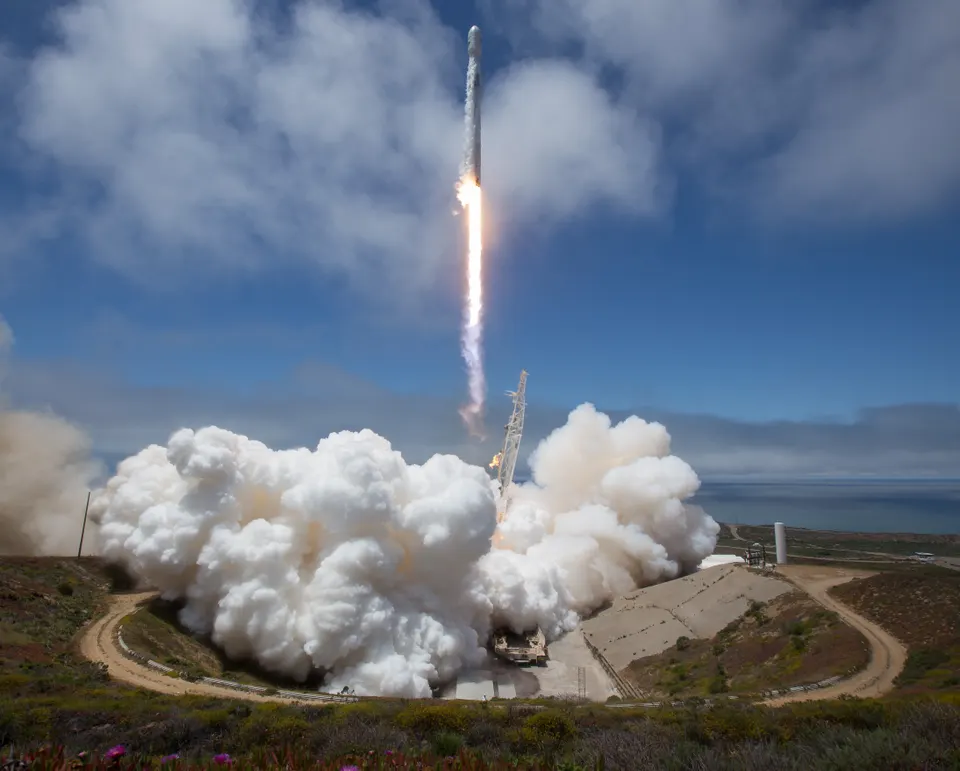
This market correction for SpaceX is part of a broader trend where high-growth tech companies are being held to stricter fundamental standards. For the crypto and tech markets, this shift is significant; if SpaceX, the crown jewel of private tech, can lose its luster, it signals a more cautious approach from institutional investors toward high-risk, high-reward ventures. As the stock struggles to regain its debut levels, the pressure on Musk to deliver consistent revenue from Starlink will only intensify, potentially shifting the company's focus from ambitious Mars missions to more mundane commercial satellite operations.
Frequently Asked Questions
Why did Conagra Brands record a $2 billion charge?
What is the significance of the US using sea drones in Bandar Abbas?
Why is the Toman falling despite previous diplomatic efforts in Hormuz?
Is SpaceX's stock price drop a sign of broader market trouble?
The Strategic Importance of the Strait of Hormuz and Its Ripple Effects on Global Markets
The Strait of Hormuz, a narrow waterway between Iran and Oman, is one of the world’s most critical maritime chokepoints. Roughly 20% of global oil consumption and a sizable share of liquefied natural gas (LNG) pass through its 21‑nautical‑mile corridor each day. Because the strait connects the Persian Gulf’s massive hydrocarbon reserves to the open ocean, any disruption—whether from military action, piracy, or accidents—can instantly tighten global energy supplies and push prices upward.
Geopolitical tensions, such as the recent deployment of U.S. sea drones near Bandar Abbas, amplify the risk premium that traders assign to oil and related commodities. When investors perceive a higher chance of a blockage, they bid up futures contracts, which in turn raises spot prices for crude, gasoline, and even downstream products like food ingredients that rely on petrochemical feedstocks. This price transmission helps explain why a $2 billion loss at a food company like Conagra can be linked, indirectly, to a flash‑point in the Hormuz corridor.
The ripple effect extends beyond energy. Higher oil prices increase transportation costs for grain, meat, and processed foods, feeding into broader food‑price inflation. Countries that import large quantities of oil or food—such as Iran—see their currencies, like the toman, depreciate sharply as they scramble for scarce foreign exchange. The devaluation further inflates the local price of gold, a traditional hedge, creating a feedback loop of monetary stress.
Historically, brief closures of the strait during the Iran‑Iraq war and the 2019 oil price crash demonstrated how quickly markets react. Modern surveillance technologies, including unmanned surface and underwater drones, have added a new layer of uncertainty, prompting governments and firms to diversify supply routes, stockpile strategic reserves, and hedge against price spikes through derivatives.
Understanding the strategic calculus of the Strait of Hormuz is essential for investors, policymakers, and everyday consumers. It illustrates how a localized security event can cascade through energy markets, currency valuations, and ultimately the price you pay for a loaf of bread.