US-Iran Strikes Escalate to Fifth Day, Tanker Hit; Markets Weigh Geopolitics and Rate Jitters
تشدید درگیریهای آمریکا و ایران برای پنجمین روز، حمله به تانکر؛ بازارها درگیر تنشهای ژئوپلیتیک و نگرانی نرخ بهره
Overnight, the conflict between the US and Iran intensified, marking the fifth consecutive day of exchanges, including a US strike on an Iran-linked tanker. Global markets are grappling with these escalating geopolitical tensions while also parsing signals of cooling inflation and potential shifts in interest rates, impacting assets from Bitcoin to gold.
At time of publishing
USD
188,600
Toman
Gold 18K
18.38M
Toman / gram
Bitcoin
$64,622
US Dollar
Tether
188,450
Toman
Market Open
As the Tehran markets awaken, the shadow of global geopolitical tensions looms large over local asset prices. The US Dollar, a traditional safe haven in times of uncertainty, saw a slight uptick against the Toman, rising from 188,300 to 188,600, a modest gain of +0.2%. This movement reflects the cautious sentiment permeating the market, as investors weigh domestic economic pressures against the backdrop of international events that directly impact Iran's economic outlook.
Conversely, the price of 18k gold per gram experienced a dip, falling from 18,514,243 Toman to 18,375,732 Toman, representing a -0.7% decrease. This divergence from the USD's upward trend suggests a complex interplay of factors, potentially including local profit-taking or shifts in internal demand dynamics. Meanwhile, the Emami coin showed resilience, climbing from 185,000,000 Toman to 187,000,000 Toman, marking a notable +1.1% increase, indicating continued investor confidence in physical coins as a store of value amidst the prevailing uncertainties.
---
US and Iran Exchange Strikes for Fifth Straight Day
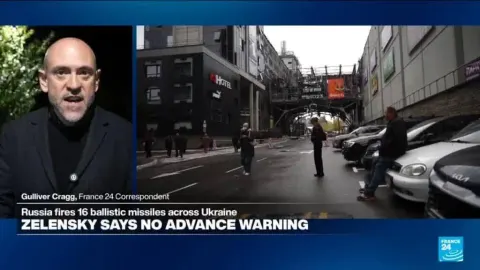
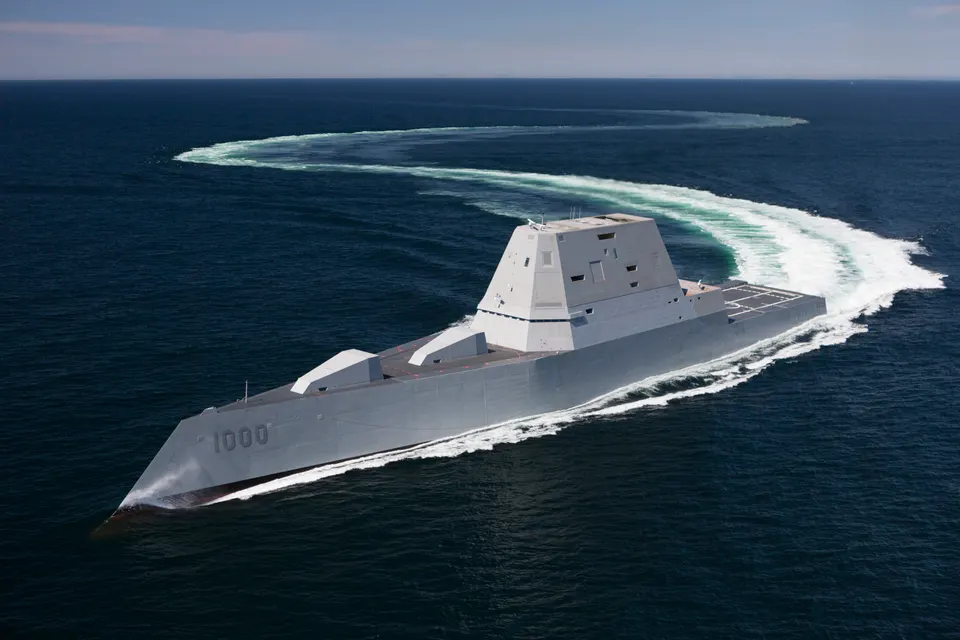
The simmering tensions between the United States and Iran have boiled over into a fifth consecutive day of direct exchanges, marking a significant escalation in the region. Reports confirm that US forces struck an Iran-linked sanctioned oil tanker near Iran’s key export terminal, Kharg Island, deepening the ongoing naval blockade measures. This aggressive move comes as both sides appear to be digging in, with little sign of immediate de-escalation, despite a top Iranian official reportedly leaving the door open for negotiations, stating, “We must fear neither war nor negotiations.”
This sustained period of military engagement raises concerns about the potential for a prolonged conflict, echoing warnings from critics that President Trump risks falling into another 'forever war' in the Middle East, similar to past entanglements in Iraq and Afghanistan. Iranian state media, IRNA, reported attacks on the southern port city of Bushehr, claiming more than 30 civilian casualties. While these claims require independent verification, they underscore the grave humanitarian risks associated with the escalating conflict and the tragic impact on ordinary Iranians.
---
Bitcoin Holds Steady Amid Geopolitical and Rate Jitters
Despite the escalating geopolitical tensions in the Middle East, the cryptocurrency market, particularly Bitcoin, has shown a degree of resilience, holding steady around the $64,500 mark. This stability comes as global markets attempt to parse conflicting signals: on one hand, the ongoing US-Iran conflict introduces significant risk aversion; on the other, recent softer-than-expected inflation data has fueled speculation of cooling rate jitters, potentially paving the way for future interest rate adjustments by central banks.
Investors are navigating a complex landscape where macroeconomic indicators and geopolitical flashpoints exert considerable influence. While some on-chain signals indicate that certain investor groups are selling into recent price bounces, the overall market appears to be balancing these forces. For Iranian investors, Bitcoin and other cryptocurrencies remain a critical alternative asset class, offering a hedge against local economic volatility and currency devaluation, making its performance under global pressure particularly noteworthy.
---
Australian Patients' Data Breached, Medical Records at Risk on Dark Web
In a stark reminder of the pervasive threat of cybercrime, Australia’s healthcare sector has been hit by a significant data breach, potentially exposing the sensitive medical records of countless patients. A “malicious actor” gained unauthorized access to data from 21 clinics across several major Australian cities, including Sydney, Melbourne, and Canberra, operated by Partnered Health, one of the nation’s largest healthcare providers. The compromised information reportedly includes highly sensitive details such as Medicare numbers, treatment histories, and pathology results, raising alarms about potential identity theft and exploitation on the dark web.
This incident, which occurred on June 23rd, highlights the critical vulnerability of digital health infrastructure worldwide. Experts warn that once such personal medical data falls into the wrong hands, it can be exploited for various illicit purposes, from targeted scams to blackmail. For individuals globally, including our readers, this serves as a crucial warning about the imperative of robust cybersecurity measures and the need for vigilance in protecting personal information in an increasingly interconnected and vulnerable digital landscape. The breach underscores how even in seemingly secure systems, sophisticated attackers can find weak points, putting private data at immense risk.

---
Hong Kong Police Raid Independent Bookstores, Arrest Five in Crackdown
Freedoms in Hong Kong continue to erode under the shadow of national security legislation, with authorities conducting raids on independent bookstores and arresting five individuals. This latest crackdown targets establishments known for selling politically sensitive materials, signaling a further tightening of control over public discourse and expression in the city. The arrests are part of a broader campaign against dissent that has seen numerous other booksellers and activists detained in recent months, systematically dismantling the city's once-vibrant independent publishing scene.
These actions by Hong Kong police, enforced under Beijing's national security laws, are widely seen as a direct assault on the city's autonomy and the fundamental rights to freedom of speech and expression. The international community has expressed grave concerns over the continuous erosion of civil liberties, which were once a hallmark of Hong Kong's unique status. For businesses and individuals with ties to the region, this ongoing suppression creates an environment of uncertainty and fear, impacting everything from media freedom to academic exchange and reinforcing the perception of a city losing its distinct identity.
Frequently Asked Questions
What is the current status of the US-Iran conflict?
How are global markets reacting to the US-Iran tensions and other economic factors?
What does the Australian data breach signify for global cybersecurity?
What are the implications of the Hong Kong police raids on bookstores?
The Strategic Importance of the Strait of Hormuz
The Strait of Hormuz, a narrow waterway between Oman and Iran, is one of the world’s most critical maritime chokepoints. Roughly 20% of global petroleum consumption passes through this 21‑mile‑wide passage daily, making it a vital artery for energy‑dependent economies. Because the strait connects the Persian Gulf’s massive oil fields to the open ocean, any disruption—whether from military conflict, piracy, or accidents—can instantly tighten global oil supplies and push prices higher.
Geopolitically, the strait sits at the heart of the US‑Iran rivalry. Tehran’s control over the southern coast gives it the ability to threaten shipping, while Washington maintains a naval presence to ensure freedom of navigation. Episodes such as the 2019 attacks on oil tankers and the 2020 drone strikes on Iranian facilities illustrate how quickly tensions can translate into real‑world market volatility. Investors watch these flashpoints closely because even the perception of risk can trigger a “risk premium” in oil futures and broader commodity markets.
The economic fallout of a strait closure extends beyond oil. Natural gas, petrochemicals, and even bulk commodities like grain rely on the same route. A prolonged shutdown would force tankers to take longer detours around the Cape of Good Hope, adding days to transit times and increasing freight costs. These added expenses ripple through supply chains, inflating consumer prices and potentially stoking inflationary pressures in import‑dependent nations.
Historically, the strait has been a barometer of Middle East stability. During the 1973 oil embargo, Arab nations threatened to close the waterway, prompting a swift price surge. More recently, the 2022‑2023 series of skirmishes underscored how modern cyber and kinetic threats can intersect, as cyber‑attacks on shipping logistics amplify the uncertainty surrounding physical attacks.
Understanding the Strait of Hormuz’s role helps explain why markets react sharply to headlines about US‑Iran strikes, tanker incidents, or cyber breaches affecting shipping data. It also highlights why policymakers prioritize diplomatic de‑escalation: safeguarding this chokepoint is essential for global economic stability.