US Blockade Tightens as Tanker Hit Near Hormuz; Uber Seals $14.8B Deal Amid AI Market Volatility
تنگنای محاصره در هرمز با هدف قرار گرفتن نفتکش؛ معامله ۱۴.۸ میلیارد دلاری اوبر در میانه نوسانات بازار
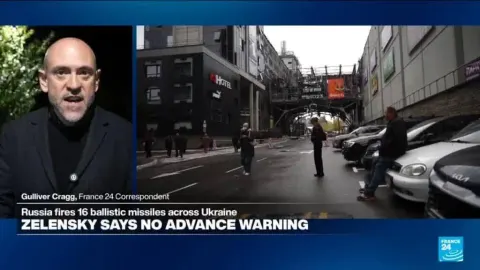
A US-led blockade has escalated to direct military action against tankers in the Strait of Hormuz, while Tether freezes $131 million in sanctioned Iranian wallets. Meanwhile, Uber's massive acquisition of Delivery Hero and a sharp correction in AI stocks signal a volatile shift in global markets.
At time of publishing
USD
187,600
Toman
Gold 18K
18.29M
Toman / gram
Bitcoin
$64,622
US Dollar
Tether
188,450
Toman
The Smoke Clears in France While the Middle East Ignites
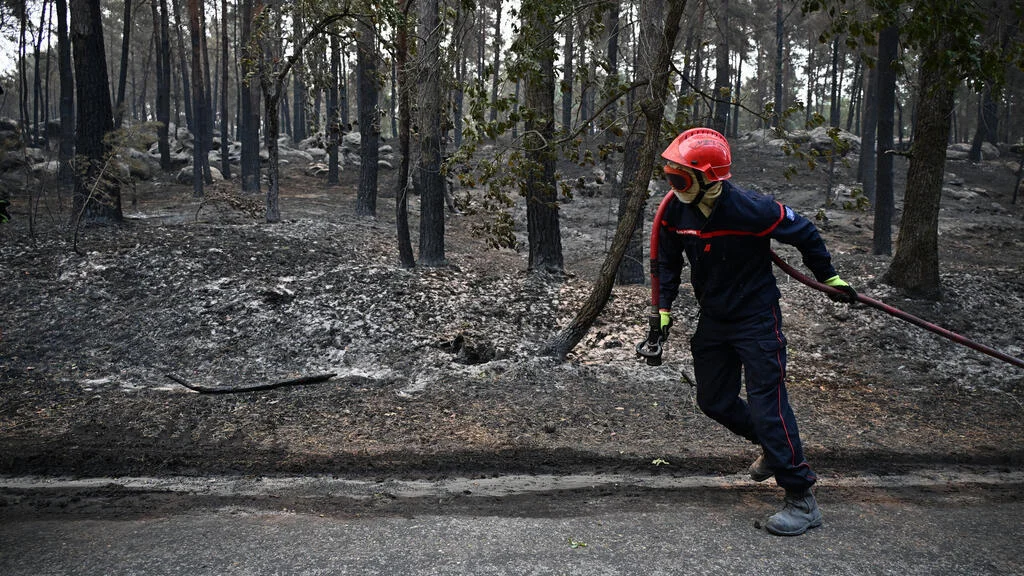
As French President Emmanuel Macron prepares to visit the Fontainebleau forest, the scale of destruction is only now becoming clear. Nearly 2,000 hectares of one of France's most iconic and fragile ecosystems have been reduced to ash, with nearly a thousand firefighters still battling the remnants of a four-day blaze. While the fire is contained, the environmental and political fallout is just beginning. For European leaders, the timing could not be worse; internal climate catastrophes are increasingly drawing focus and resources away from the escalating geopolitical crisis in the Middle East, leaving a diplomatic vacuum where mediation is most needed.
For the Iranian reader, this distraction in Europe is more than just a distant tragedy. As France and Germany grapple with domestic environmental and technological sovereignty issues, their ability to act as a 'third way' or a cooling influence in the US-Iran conflict is rapidly diminishing. The 'smoke' in Fontainebleau is a literal manifestation of a world in crisis, where major powers are being forced to choose between domestic stability and international intervention, often at the cost of the latter.
Hellfire at Sea: The Blockade of Kharg Island
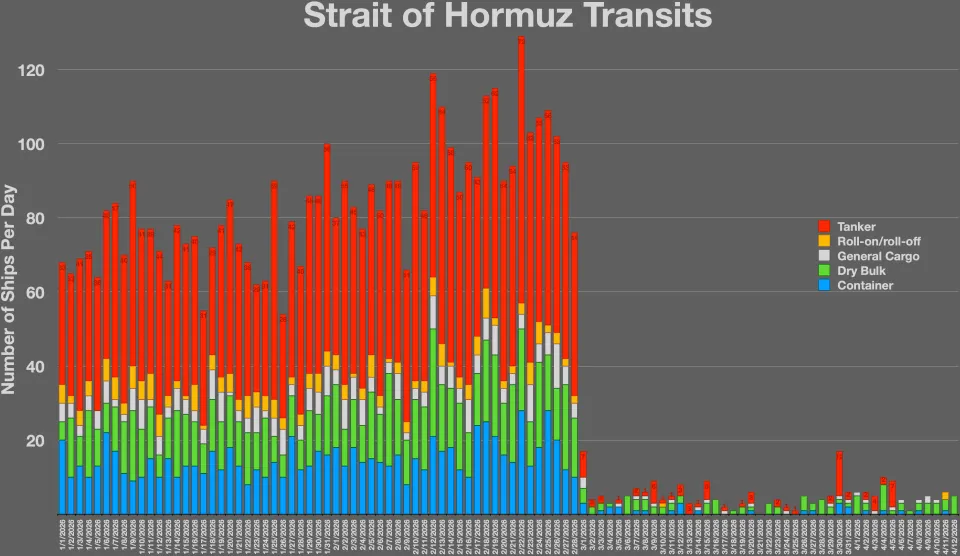
The situation in the Strait of Hormuz has shifted from a tense standoff to an active combat zone. In a significant escalation, US forces fired Hellfire missiles into the smokestack of an unladen oil tanker that attempted to breach the blockade near Kharg Island. This direct strike, coupled with reports of explosions in Tehran, marks a new and dangerous phase of the conflict. The US military has broadened its targeting parameters to include coastal defenses and missile sites, signaling that it is no longer content with mere deterrence but is actively seeking to dismantle Iranian maritime capabilities.
This military pressure is being mirrored in the financial markets. The USD/IRR rate has shown slight movement, with the sell price shifting from 188,300 to 187,600 Toman (-0.4%), reflecting a market that is currently paralyzed by uncertainty rather than trending in a single direction. However, the more critical blow came from the digital front: Tether has frozen $131 million across four Central Bank-linked wallets on the TRON network following new US sanctions. This move effectively cuts off a vital 'gray market' artery used for bypassing traditional banking restrictions, putting immediate pressure on the liquidity of the shadow economy.
Uber’s $14.8 Billion Gambit and the AI Fatigue
In the corporate world, the landscape of the gig economy has been permanently altered by Uber’s $14.8 billion acquisition of Germany’s Delivery Hero. This deal, which combines Uber Eats with massive delivery networks across 99 countries, represents a consolidation of power that few could have predicted a year ago. Uber is paying a significant premium to secure its dominance, valuing Delivery Hero at €41.50 per share. This move suggests that despite the global geopolitical chaos, major tech firms are still betting on long-term consumer dependence on digital logistics and delivery services.

However, this optimism is not shared across the entire tech sector. Shares of chip giant SK Hynix suffered a staggering 12% collapse this Thursday, following a brief 9% jump the previous day. This 'turbo-charged' volatility is a clear signal that the AI euphoria which has driven markets for the past year is finally meeting a wall of fatigue. Investors are beginning to question the immediate profitability of massive AI infrastructure investments, especially as countries like Australia move to put 'environmental brakes' on data centers. For the global economy, this means the era of easy, AI-driven gains may be over, replaced by a period of high-stakes volatility and sector-specific corrections.
Gold Retreats as Risk Appetite Evaporates
The domestic gold market in Iran is reflecting a broader global cooling of expectations. The price of 18k gold per gram moved from 18,514,243 to 18,294,935 Toman, a decrease of 1.2%. Even as the US-Iran conflict intensifies, the lack of immediate physical supply disruptions—combined with a stronger-than-expected dollar on the international stage—has led to a local sell-off. The Emami coin remains static at 185,000,000 Toman, showing that while the 'paper' value of gold is fluctuating, the physical demand for high-value coins as a hedge against total collapse remains a bedrock of the Iranian investment strategy.

This divergence between geopolitical risk and market pricing is a hallmark of the current 'permacrisis' environment. Readers should be wary of assuming that every military strike will lead to an immediate spike in asset prices. In many cases, the market has already 'priced in' the expectation of conflict, and the real movers are now the specific financial tools—like the Tether freeze—that impact the actual flow of capital and the ability to conduct trade in a sanctioned environment.
Watch
As the smoke clears, the Fontainebleau forest takes stock of its destruction • FRANCE 24 English
FRANCE 24 English
Frequently Asked Questions
How does the Tether freeze impact the Iranian currency market?
Why did the price of gold drop despite the escalation in military conflict?
What does the Uber-Delivery Hero deal mean for global tech consolidation?
The Strait of Hormuz: A Global Energy Chokepoint and Geopolitical Flashpoint
The Strait of Hormuz is one of the world's most critical maritime chokepoints, a narrow waterway connecting the Persian Gulf to the Arabian Sea and the broader Indian Ocean. Its strategic importance stems from its geography: at its narrowest point, it is only about 21 nautical miles (39 kilometers) wide, yet it serves as the sole sea passage for a significant portion of the world's oil and liquefied natural gas (LNG) exports from major producers in the Middle East, including Saudi Arabia, Iran, UAE, Kuwait, and Iraq.
This geographical bottleneck makes the Strait indispensable for global energy markets. Approximately one-fifth of the world's total petroleum liquids consumption and about one-third of the world's LNG trade passes through this strait daily. Any disruption, whether due to conflict, blockades, or attacks on shipping, can have immediate and severe repercussions on international oil prices, supply chains, and global economic stability. The recent headline mentioning a "tanker hit near Hormuz" and "Kharg Island blockade" underscores the constant vulnerability of this vital artery.
Historically, the Strait of Hormuz has been a recurring flashpoint in regional and international tensions, particularly involving Iran, which borders its northern coast. Iran has, at various times, threatened to close the strait in response to international sanctions or military pressure, leveraging its strategic position as a deterrent. These threats, even when not fully realized, introduce a significant geopolitical risk premium into oil prices and heighten anxieties about energy security among consuming nations worldwide.
Understanding the Strait of Hormuz's role as a chokepoint is crucial for comprehending the dynamics of Middle Eastern geopolitics, international energy policy, and the potential for broader economic and military confrontations. Its continued centrality ensures it remains a focal point for global security concerns, as events within its confines ripple across the world.