Trump's 'Oil Guy' Shaped Iran Policy Amid Escalating Regional Tensions; Oil Markets Face Supply Crunch
«مرد نفتی» ترامپ سیاست ایران را در بحبوحه تشدید تنشهای منطقهای شکل داد؛ بازارهای نفت با بحران عرضه مواجهاند
Recent revelations highlight how fracking billionaire Harold Hamm, a close advisor to Donald Trump, influenced US energy policy and its stance on Iran, potentially downplaying war risks while strengthening US-Israel ties. This comes as the Middle East faces heightened instability, with Iran accusing the US of 'barbaric' strikes and Kuwait reporting new drone attacks, further jeopardizing global oil supplies and driving market concerns.
At time of publishing
USD
187,600
Toman
Gold 18K
18.23M
Toman / gram
Bitcoin
$64,150
US Dollar
Tether
187,492
Toman
Trump's 'Original Oil Guy' and the Geopolitics of Iran
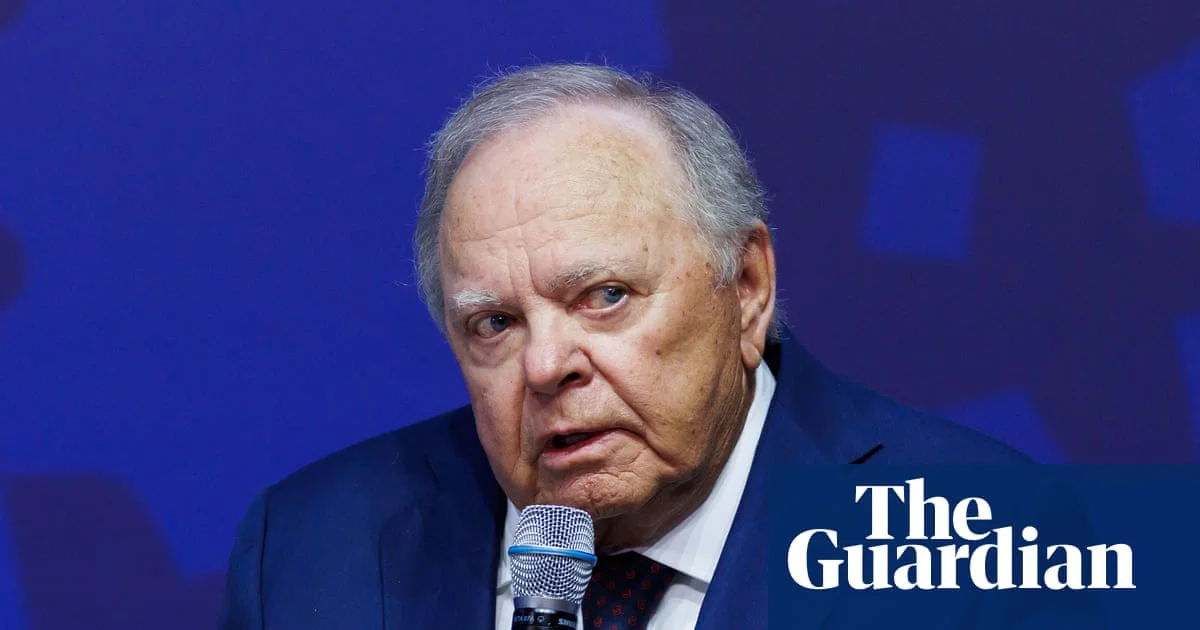
New insights reveal the profound influence of fracking billionaire Harold Hamm, often dubbed Donald Trump’s “original oil guy,” on US energy policy during the previous administration. Hamm, co-chair of a non-profit advocating for US energy dominance, aggressively pushed for policies that not only boosted domestic fossil fuel production but also played a significant role in shaping the US approach to the Middle East, including its relationship with Iran and Israel. His recommendations reportedly downplayed the risks of conflict with Iran, instead focusing on American energy independence as a tool for geopolitical leverage.
This strategy, rooted in Hamm's extensive experience as a “wildcatter” and pioneer of fracking, allowed the US to reverse declining oil production and become a major global energy player. The implications of such influence are far-reaching, as it intertwines energy policy with complex geopolitical maneuvers, potentially affecting regional stability. For Iranian readers, understanding this historical context is crucial, as the interplay between US energy independence, its alliances, and its posture towards Iran directly impacts sanctions, trade, and the overall economic landscape, influencing everything from currency expectations to the price of essential goods.
Escalating US-Iran Tensions and Regional Accusations
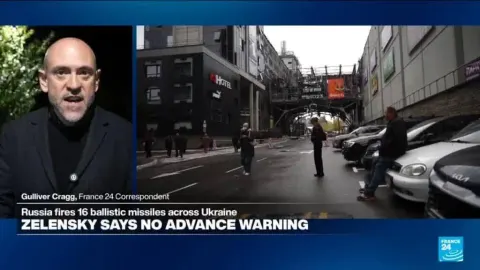
The Middle East remains a crucible of escalating tensions, with Iran recently accusing the United States of a “barbaric” strike near a children’s cancer hospital in Ahvaz, forcing its evacuation. This grave accusation underscores the human cost of the ongoing conflict and highlights the severe humanitarian impact on civilian infrastructure. Simultaneously, Kuwait has reported being under attack from renewed Iranian drone assaults, signaling a worrying expansion of hostilities across the region.
These developments occur amidst broader discussions regarding the future of regional security, including efforts to disarm Hezbollah in Lebanon. Lebanese Foreign Minister Youssef Raggi has declared Lebanon's sovereign decision to end Hezbollah's military presence, asserting that decisions on war and foreign policy are the exclusive prerogative of the Lebanese state. This move, if successful, could significantly alter the balance of power, but the immediate crisis involving direct accusations and attacks between major players like Iran, Kuwait, and the US indicates a region teetering on the brink, with direct consequences for shipping lanes, trade, and the daily lives of millions.

Oil Markets Face Supply Crunch Amid Red Sea Threats
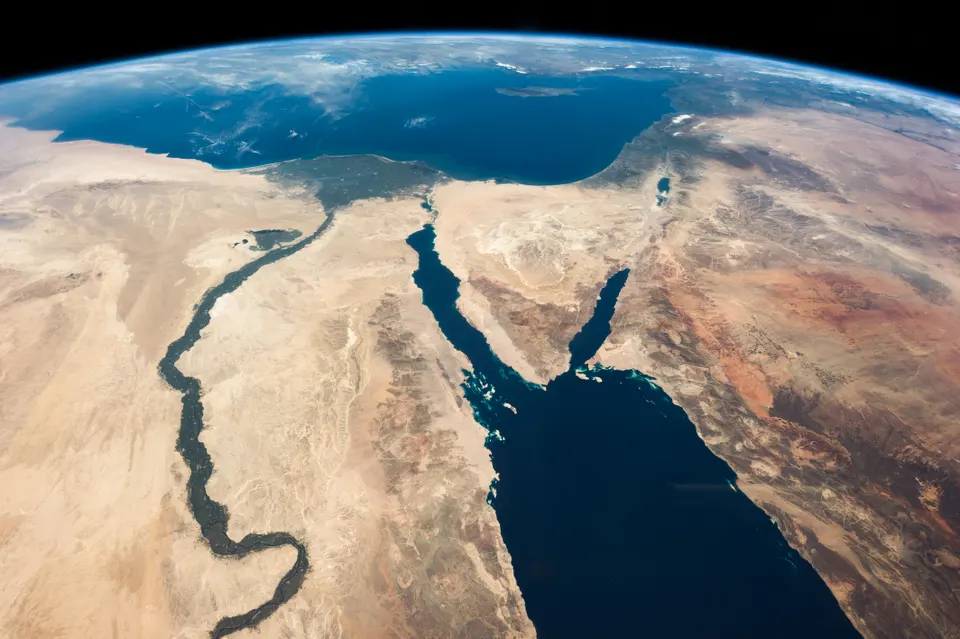
Global oil markets are currently grappling with a significant supply crunch, a situation exacerbated by the ongoing conflict in Iran and broader Middle East instability. Strategists at J.P. Morgan point to constraints on Russia’s refining system as an additional factor contributing to the existing crisis, creating a multi-faceted challenge for global energy supplies. The combination of these pressures is translating directly into higher prices, with oil rising over 1% as the threat from Iran puts critical shipping routes, particularly the Red Sea, at severe risk.
This heightened risk to the Red Sea route, a vital artery for global trade and energy transport, means increased insurance costs, longer transit times, and ultimately, higher consumer prices worldwide. For Iranian citizens, these global market dynamics have direct local repercussions; while the USD/IRR moved from 188,300 to 187,600 (-0.4%) in the last 24 hours, and Gold 18k/gram saw a decrease from 18,514,243 to 18,225,679 (-1.6%), the underlying pressures on oil supply contribute to inflationary expectations and impact the overall stability of the economy. The Emami coin remained stable at 185,000,000 (+0.0%), suggesting some resilience in the gold market despite broader economic volatility.
Frequently Asked Questions
Who is Harold Hamm and what was his influence on US policy?
What are the latest accusations between Iran and the US?
How is the ongoing conflict impacting global oil markets?
What are the implications for the Red Sea shipping route?
How have local Iranian market prices reacted?
Understanding the Geopolitical Risk Premium in Oil Prices
The "geopolitical risk premium" is a crucial concept for understanding why global oil prices often seem disconnected from fundamental supply and demand. It represents the extra cost added to the price of oil (or other commodities) due to political instability, conflict, or uncertainty in key oil-producing regions or transit choke points. Essentially, it's the market's way of pricing in the fear of potential supply disruptions, even if those disruptions haven't occurred yet. This premium can significantly inflate energy costs for consumers and businesses worldwide.
This premium manifests through various mechanisms. When geopolitical tensions escalate, such as those involving Iran or broader Middle East conflicts, traders and investors anticipate potential disruptions to oil production or shipping routes. For instance, threats to vital maritime passages like the Strait of Hormuz or the actual attacks on Red Sea shipping lanes immediately trigger concerns about reduced supply. This uncertainty leads to higher insurance costs for tankers, increased speculative buying, and a general upward pressure on prices as market participants hedge against future shortages.
The headline's mention of "Trump's 'Oil Guy' Shaped Iran Policy Amid Escalating Regional Tensions" directly illustrates how foreign policy decisions can contribute to this premium. Policies that impose sanctions, restrict oil exports, or heighten regional instability — like the tensions between the US and Iran — create a climate of uncertainty. This uncertainty translates directly into a higher geopolitical risk premium, impacting global energy prices and potentially leading to a "supply crunch" even without a physical shortage, simply due to market anxiety and the perceived threat of future disruptions.
Ultimately, understanding the geopolitical risk premium highlights the intricate connection between international relations and daily economic realities. It shows that the price consumers pay at the pump isn't solely determined by drilling output or refinery capacity, but also by the complex interplay of diplomacy, conflict, and the perceived stability of key global regions. This concept is vital for anyone seeking to grasp the broader forces shaping global energy markets and their impact on the world economy.