AI Propaganda Ignites Diplomatic Crisis as US Strikes Hit Southern Iran and Tankers Retreat
بحران دیپلماتیک بر سر ویدئوی هوش مصنوعی و تشدید درگیریهای نظامی؛ حملات آمریکا به جنوب ایران
The Philippines has formally condemned a racist AI-generated video from Chinese state media, while military tensions in the Middle East reach a boiling point with US strikes on Iranian infrastructure and a tightening naval blockade.
At time of publishing
USD
188,000
Toman
Gold 18K
18.36M
Toman / gram
Bitcoin
$62,682
US Dollar
Tether
189,498
Toman
The New Front of Digital Warfare: AI Propaganda in the South China Sea
The diplomatic rift between Manila and Beijing has reached a disturbing new low following the release of an artificial intelligence-generated video by Chinese state media. The video, which depicts the Philippines as a monkey in the context of ongoing territorial disputes in the South China Sea, has triggered a formal diplomatic complaint from the Philippine government. This incident marks a significant escalation in the use of generative AI for state-sponsored psychological operations. While Chinese President Xi Jinping recently called for global cooperation on AI governance at a conference in Shanghai, warning against any single country’s dominance, the deployment of such crude and racially charged propaganda suggests a dual-track strategy where technology is simultaneously a tool for diplomacy and a weapon for regional humiliation.
For the international community, this development is a harbinger of how AI will be used to inflame nationalist sentiments and bypass traditional diplomatic decorum. The speed at which these videos can be produced and disseminated makes them difficult to counter through traditional fact-checking or diplomatic channels. In Iran, where the digital space is already a primary arena for influence operations, the normalization of AI-generated character assassination by major powers like China sets a dangerous precedent. It signals that the future of regional disputes will not just be fought with naval vessels and coast guard maneuvers, but with algorithmically generated narratives designed to dehumanize and provoke.

Kinetic Escalation: US Strikes and the Tightening Gulf Blockade
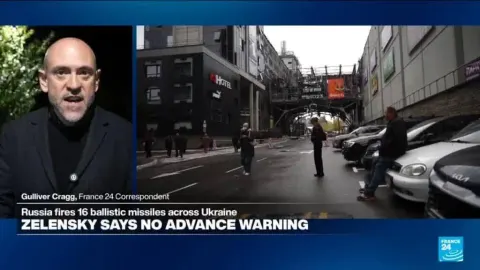
The military situation in the Middle East has transitioned from shadow boxing to direct kinetic engagement. Reports from Iranian state media and international observers confirm that US strikes have targeted critical infrastructure in southern Iran, including the Iranshahr airport, a southern railway station, and two strategic bridges. This follows a period of intense tension where the US Navy has significantly tightened its blockade on Iranian ports. In a bold retaliatory claim, the Islamic Revolutionary Guard Corps (IRGC) stated it launched ballistic missiles and drones against American fighter jets and tankers stationed in Jordan. While the full extent of the damage remains unverified by independent sources, the IRGC claims to have caused "serious damage" to US assets, a narrative designed to project strength amidst domestic vulnerability.
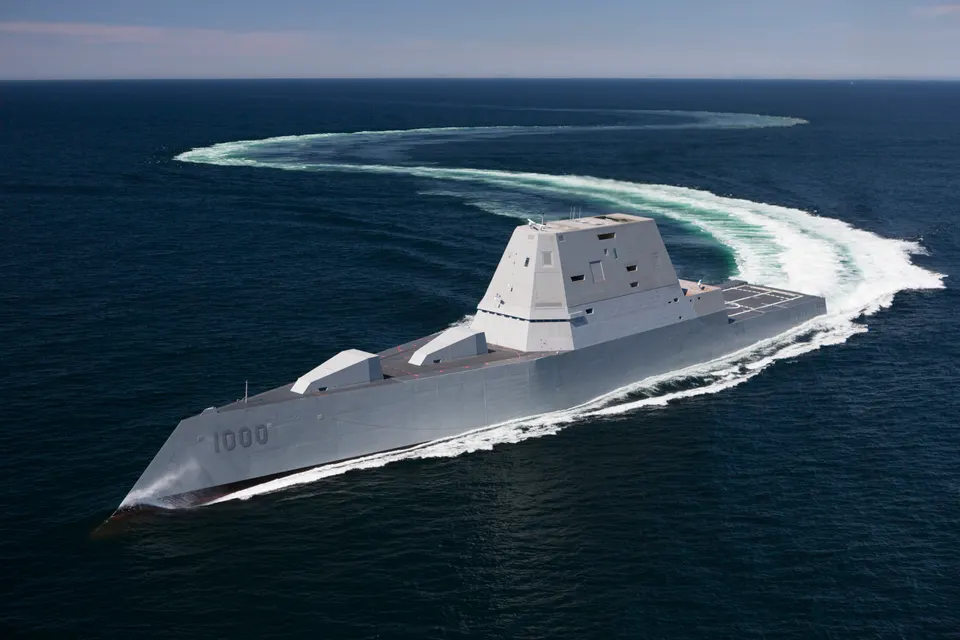
On the maritime front, the pressure is manifesting in real-time vessel movements. The LPG tankers Glendale and Danuta I, both linked to Iran and under US sanctions, were observed making abrupt U-turns and zig-zagging in the Gulf of Oman and the Arabian Sea to avoid the US naval blockade. This blockade is no longer a theoretical threat; it is a physical barrier that is successfully disrupting the flow of liquefied petroleum gas, a vital revenue stream for the Iranian government. The decision by these tankers to turn back suggests that the risk of seizure or direct confrontation has outweighed the potential profit of the voyage, further isolating the Iranian economy from its traditional energy markets.
Market Resilience and the Shadow of Institutional Corruption
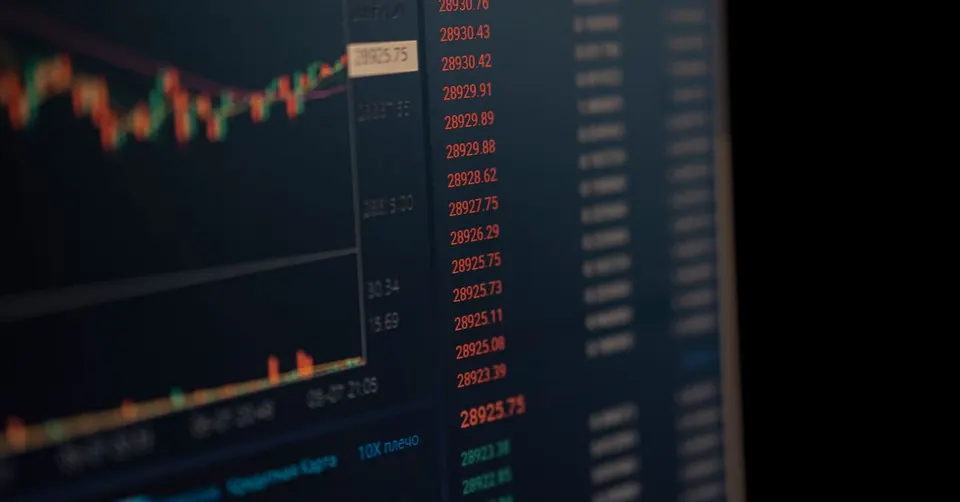
Despite the explosive military news, the Iranian currency market has shown a peculiar, almost eerie stability. The USD sell rate remained flat at 188,000 Toman, showing a 0.0% change over the last 24 hours. This stagnation likely reflects a market that is either paralyzed by uncertainty or heavily managed by state intervention to prevent a total panic-driven collapse. However, gold has begun to move, with 18k gold rising from 18,283,392 to 18,359,573 Toman (+0.4%). This modest uptick indicates that local investors are hedging against the risk of further escalation by moving out of currency and into hard assets. In the crypto space, Bitcoin remains steady at $62,682, though Ether has struggled, falling twice as hard as its larger counterpart as the global "chip trade" begins to unwind.
Parallel to these geopolitical shocks, a major scandal is brewing in the US markets that could have long-term implications for retail investors worldwide. Critics are denouncing a new plan by Donald Trump’s media company to sell "priority access" to Truth Social posts. The plan would allow high-frequency trading firms to receive posts milliseconds before the general public, effectively legalizing a form of information arbitrage. For Iranian traders who often look to US political sentiment as a lead indicator for global risk, this move highlights a growing trend of institutionalizing market advantages. If the very platforms used for political communication become pay-to-play for Wall Street, the transparency of the global financial system will be further eroded, making it even harder for independent actors to navigate volatile markets.
Frequently Asked Questions
Why did the Philippines lodge a complaint against China regarding AI?
What specific infrastructure was targeted in the reported US strikes on Iran?
How did the Iranian gold and currency markets react to the military escalation?
What is the 'priority access' plan mentioned regarding Trump Media?
AI-Powered Disinformation: The New Frontier of Geopolitical Conflict
The rise of sophisticated artificial intelligence has ushered in a new era of information warfare, making AI-powered disinformation a critical concept for understanding modern geopolitical crises. Unlike traditional propaganda, which relies on human effort to craft and spread narratives, AI-powered disinformation leverages algorithms and machine learning to generate and disseminate false or misleading content at unprecedented speed, scale, and sophistication. This includes creating highly realistic "deepfakes" – manipulated audio and video – and crafting persuasive, contextually relevant text that can mimic human communication perfectly, often indistinguishable from genuine content.
The danger of AI-driven disinformation lies in its ability to rapidly erode public trust and manipulate perceptions on a massive scale. Automated bots and networks can spread these fabricated narratives across social media platforms, targeting specific demographics and amplifying messages to create echo chambers or polarize public opinion. This makes it incredibly difficult for individuals to discern truth from falsehood, leading to widespread confusion and a breakdown in shared understanding, which is fertile ground for instability.
In a geopolitical context, AI-powered disinformation can be a potent weapon. It can be used to sow discord between nations, fabricate pretexts for military action, influence elections in foreign countries, or escalate existing tensions by creating false reports of attacks or provocations. For instance, a deepfake video showing a leader making inflammatory remarks or a fabricated news report about an attack could instantly ignite a diplomatic crisis or even trigger military responses, as suggested by the headline. Understanding this mechanism is crucial for navigating an increasingly complex global landscape where information itself has become a battleground.