Iraq’s $48B US Pivot Threatens Hormuz Monopoly as Toman Hits 194,200 Amid Kuwaiti Outcry
چرخش ۴۸ میلیارد دلاری عراق به سمت آمریکا و تهدید انحصار هرمز؛ دلار به ۱۹۴ هزار تومان رسید
Iraq has signed 48 massive deals with US companies to rebuild a pipeline bypassing the Strait of Hormuz, dealing a strategic blow to Iran's regional leverage. Simultaneously, Kuwait has accused Iran of targeting civilian sites, driving gold prices up 2.7% in a single day.
At time of publishing
USD
194,200
Toman
Gold 18K
18.99M
Toman / gram
Bitcoin
$64,133
US Dollar
Tether
193,243
Toman
Iraq’s Strategic Shift: Bypassing the Strait of Hormuz
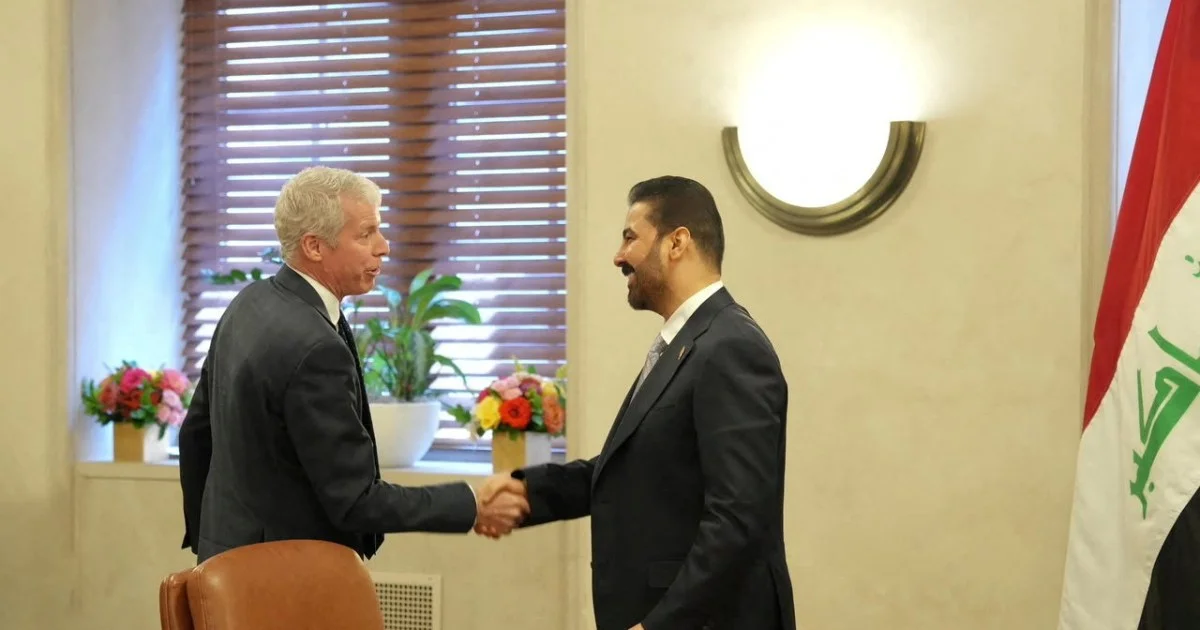
In a move that could fundamentally alter the geopolitical landscape of the Middle East, Iraq has signed 48 comprehensive deals with United States companies during Prime Minister Mohammed Shia al-Sudani’s high-stakes visit to Washington. The centerpiece of these agreements is the reconstruction of the long-defunct Iraq-Syria crude oil pipeline. This project is not merely an infrastructure upgrade; it is a calculated strategic maneuver designed to provide Iraq with a reliable export route to the Mediterranean, effectively bypassing the Strait of Hormuz. For decades, the threat of closing the Strait has been Iran’s primary deterrent against international pressure, but a functional Iraq-Syria link would significantly dilute that leverage, offering global markets a way to access Iraqi crude without entering the Persian Gulf.
The implications for Tehran are profound and immediate. As Iraq moves closer to the American economic orbit, its dependence on Iranian energy and transit cooperation is expected to wane. The deals include massive investments in gas capture and power grid modernization, aimed at making Baghdad energy-independent from its eastern neighbor. This shift comes at a critical time when the Iranian economy is already reeling from systemic instability. The markets have reacted with visible anxiety; the US Dollar in Tehran’s open market rose from 190,900 to 194,200 Toman (+1.7%) within the last 24 hours, reflecting a lack of confidence in Iran's ability to maintain its regional economic dominance.

Kuwait Accusations and the Specter of 'War Crimes'
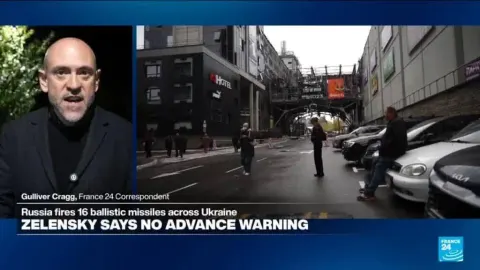
Regional tensions have reached a boiling point following official accusations from Kuwait, claiming that Iran has targeted civilian sites and vital infrastructure within its borders. According to reports from the New York Times and France 24, these alleged attacks have sparked significant fires at multiple facilities, leading the head of the Gulf Cooperation Council (GCC) to label the actions as potential "war crimes." While Iranian officials have historically denied such provocations, the timing and severity of these claims suggest a coordinated diplomatic and potentially legal escalation by the Gulf states. This rhetoric marks a shift from mere border disputes to a broader international legal framework, aimed at further isolating the Iranian government on the global stage.
This escalating friction is driving a massive flight to safety among Iranian and regional investors. Gold, the traditional hedge against conflict, has seen an aggressive surge in demand. In the Tehran market, 18k gold rose from 18,491,158 to 18,994,413 Toman per gram, a sharp 2.7% increase in just one day. Similarly, the Emami gold coin jumped from 185,000,000 to 190,000,000 Toman. These numbers indicate that the public is not buying the government’s narrative of stability; instead, they are pricing in the risk of a widening regional conflict that could disrupt local supply chains and further devalue the national currency.
Global Market Divergence: Small-Caps and the Billionaire Playbook
While the Middle East grapples with geopolitical firestorms, global financial markets are witnessing a significant internal rotation. Recent data suggests that the era of large-cap dominance—led by the so-called "Magnificent Seven" tech giants—may be facing a challenge from quality small-cap stocks. Analysis indicates that small-cap outperformance is persisting as investors seek value outside of the overcrowded AI-heavy indices. Billionaires and institutional fund managers are reportedly loading up on dividend-paying quality stocks in sectors that have been overlooked for years. For the sophisticated investor, this represents a shift from speculative growth toward tangible earnings and yield, a trend that typically precedes a broader market consolidation.
For the Iranian reader, this global shift is more than just an academic observation. As the US Dollar strengthens against the Toman, the purchasing power of local savings continues to erode. Understanding where global capital is flowing—such as the move toward small-cap value and high-yield dividends—provides a roadmap for those looking to preserve wealth in hard currency or crypto-assets. Even as Bitcoin targets a $72,000 level by month-end, the underlying stability of the "real economy" stocks in the US provides a benchmark for global inflation expectations. When the S&P 500 is outperformed by its equal-weighted counterparts or small-cap indices, it often signals that the broader global economy is bracing for a higher-for-longer interest rate environment, which traditionally keeps the pressure on emerging market currencies like the Toman.

Frequently Asked Questions
How does the Iraq-Syria pipeline affect Iran's regional influence?
Why did the price of gold in Iran jump 2.7% in a single day?
What does the 'Small-cap' market trend mean for global investors?
The Strategic Importance of the Strait of Hormuz and its Potential Bypass
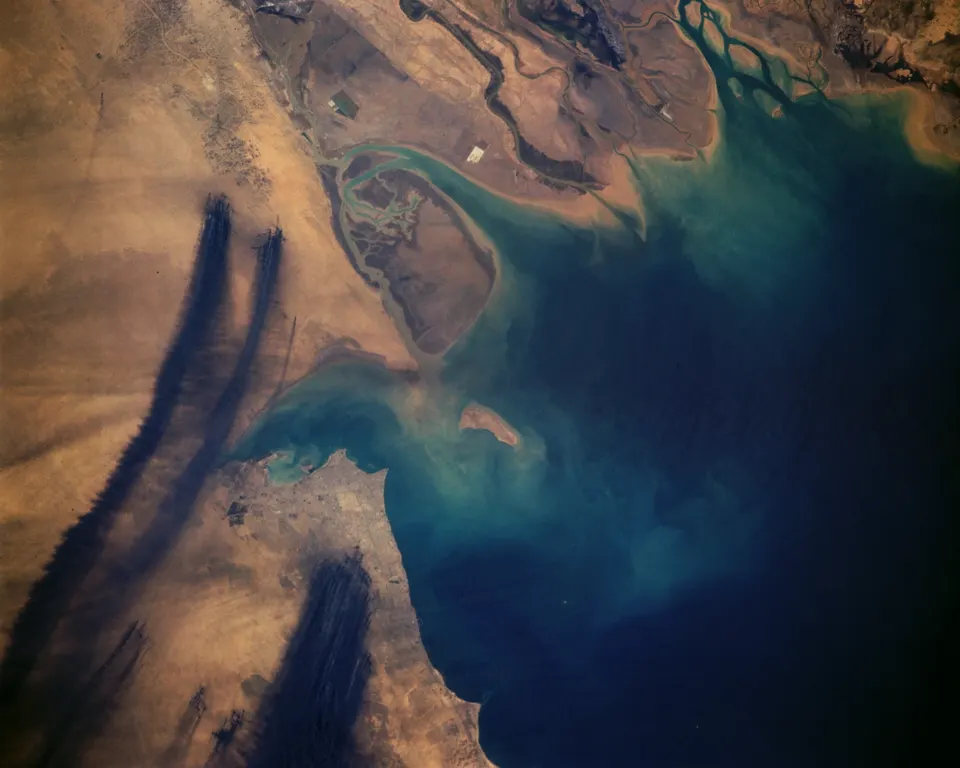
The Strait of Hormuz, a narrow waterway connecting the Persian Gulf to the Arabian Sea and the open ocean, is arguably the world's most critical oil chokepoint. Geographically, it's just 21 nautical miles (39 km) wide at its narrowest point, yet through this constricted passage, a staggering one-fifth of the world's total petroleum liquids consumption and one-third of the world's liquefied natural gas (LNG) pass daily. This makes it an indispensable artery for global energy markets, linking major oil and gas producers in the Middle East to consumers worldwide.
Its strategic significance stems from this immense volume of energy transit. Any disruption to traffic through the Strait, whether due to political tensions, military conflict, or even accidental blockages, can send shockwaves through global energy markets, causing oil prices to spike and threatening the energy security of nations heavily reliant on Middle Eastern crude. Countries like Iran, which borders the Strait, have historically leveraged their geographical position to exert influence and, at times, threaten to close the waterway in response to international pressures, underscoring its pivotal role in regional geopolitics.
Given this vulnerability, the idea of bypassing the Strait of Hormuz has long been a strategic imperative for many nations. Projects like the proposed Iraq-Syria pipeline mentioned in the news headline aim to create alternative export routes for oil and gas, reducing reliance on this single, volatile chokepoint. Such bypasses offer the promise of greater energy security by diversifying supply lines, mitigating the risks associated with regional instability, and potentially lowering insurance costs for shipping. For producers, it means more reliable access to international markets, and for consumers, a more stable energy supply.
However, constructing and securing such bypasses comes with its own set of challenges, including enormous financial costs, complex logistical hurdles, and navigating the geopolitical complexities of multiple transit countries. While a bypass could diminish the Strait's absolute 'monopoly' over certain energy flows, its fundamental importance as a global maritime trade route and a symbol of regional power dynamics will likely endure.