GCC Accuses Iran of 'War Crimes' as Toman Hits 195,000 Amid Strikes on Kuwaiti Infrastructure
اتهام «جنایات جنگی» علیه ایران توسط شورای همکاری خلیج فارس؛ پرواز دلار به ۱۹۵ هزار تومان
Regional tensions have reached a fever pitch as the Gulf Cooperation Council condemns Iranian strikes on civilian infrastructure in Kuwait as war crimes. Meanwhile, the Toman has surged to 195,400 per USD as US strikes in Hormozgan leave residents isolated and markets in a state of panic.
At time of publishing
USD
195,400
Toman
Gold 18K
19.10M
Toman / gram
Bitcoin
$64,100
US Dollar
Tether
194,870
Toman
Gulf Council Labels Infrastructure Strikes as 'War Crimes'
The geopolitical landscape in the Persian Gulf has shifted from a bilateral US-Iran conflict to a broader regional crisis this Saturday. The Gulf Cooperation Council (GCC) has issued its harshest condemnation yet, accusing Tehran of committing "war crimes" following a series of strikes that targeted vital civilian infrastructure. The most critical damage was reported at a major water desalination plant in Kuwait, a facility that provides nearly 90% of the nation's drinking water. This escalation marks a dangerous turning point, as the targeting of life-sustaining resources suggests a transition toward total regional instability.
While the United States Central Command (CENTCOM) carried out its seventh consecutive night of precision strikes against Iranian military maritime capabilities, the retaliatory response from Iran has increasingly focused on US allies in the neighborhood. Jordan has reportedly downed several missiles, and sirens have been active in Bahrain, signaling that the conflict's geography is expanding rapidly. For the Iranian public, this shift toward targeting neighboring Arab states carries heavy economic and diplomatic implications, as it threatens to alienate the few remaining regional partners and could lead to a complete blockade of the Strait of Hormuz.
Hormozgan Isolated as Toman Breaches 195,000 Threshold
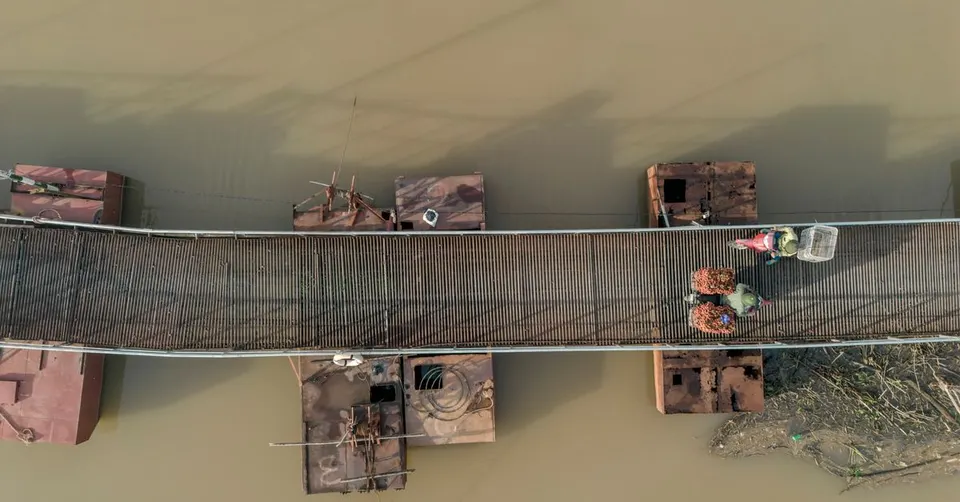
On the domestic front, the physical and economic costs of the ongoing conflict are becoming painfully visible. Overnight US strikes in Hormozgan Province have reportedly destroyed a critical tunnel and three bridges, leaving local populations isolated and fearful. According to reports from the governor’s office, the damage to transport infrastructure has not only hampered civilian movement but has also severed key supply chains. This sense of physical isolation has immediately translated into market panic, with the Iranian Toman suffering a significant blow in the last 24 hours.
The currency market reflects this deepening anxiety with clinical precision. The USD/IRR exchange rate moved from 190,900 to 195,400, representing a sharp 2.4% devaluation in just a single day. Gold markets followed suit, with 18k gold jumping from 18,491,158 to 19,102,913 Toman per gram (+3.3%). For the average citizen, these numbers represent more than just statistics; they signal a rapid erosion of purchasing power as the threat of a full-scale regional war becomes the primary driver of the domestic economy. The Emami coin also saw a 2.7% increase, rising to 190,000,000 Toman, as investors scramble for any available safe-haven asset.
Global Market Volatility: SpaceX and the IPO Ghost
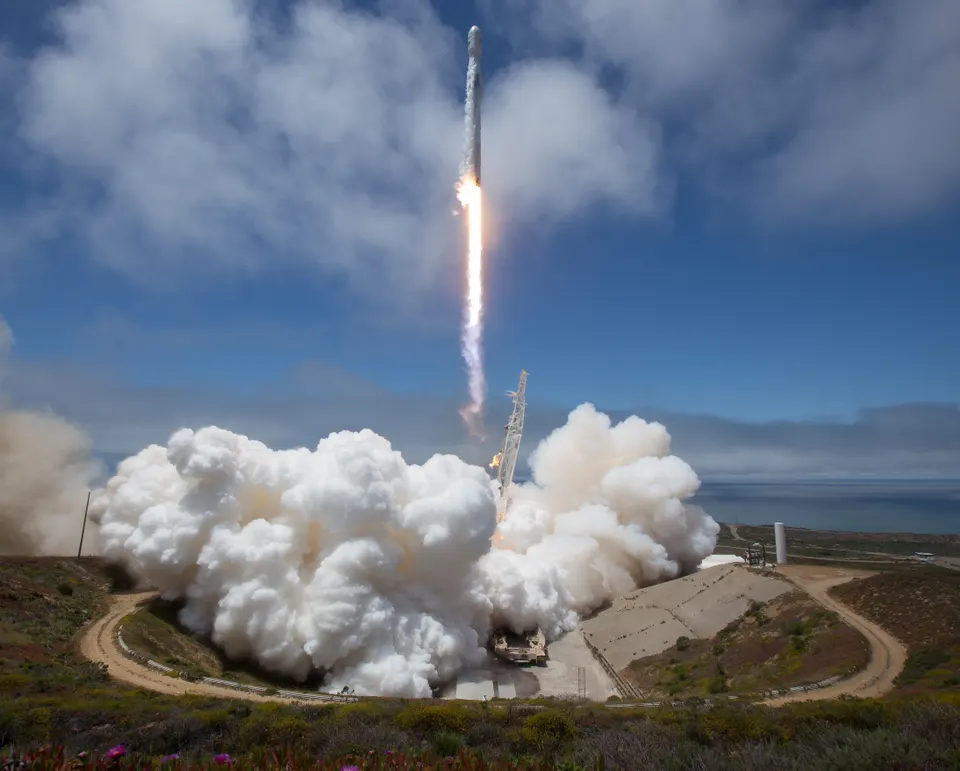
While the Middle East remains the epicenter of volatility, global markets are grappling with their own set of uncertainties, particularly in the high-growth tech sector. SpaceX’s stock has recently faced scrutiny after falling below the $135 mark, leading some analysts to label it a "bust." However, seasoned market observers are drawing parallels to Meta’s (formerly Facebook) IPO in 2012. History shows that nearly half of major IPOs dip below their offering price and remain there for several years before achieving long-term dominance. This context suggests that the current dip in SpaceX valuation may be a natural market correction rather than a fundamental failure of the company’s mission.
This global trend of "market aging" and institutional shifts is also visible in the Dow Jones Industrial Average, where Caterpillar (CAT) now commands a staggering 11% of the index's weight. As the world population ages and infrastructure demands shift, companies like Caterpillar are becoming the bedrock of conservative portfolios. For Iranian investors looking outward, the contrast between the high-risk volatility of the Toman and the strategic movements in US blue-chip stocks or emerging AI data centers in Wyoming highlights the extreme divergence between localized geopolitical risk and global structural growth. Even as regional wars loom, the machinery of global capital continues to recalibrate toward automation and aging demographics.
Frequently Asked Questions
Why is the GCC accusing Iran of war crimes?
How did the US strikes affect Hormozgan?
Why is the Toman devaluing so rapidly today?
Is the SpaceX stock drop a sign of failure?
Understanding Currency Devaluation
Currency devaluation refers to the official lowering of the value of a country's currency relative to a foreign currency, most commonly the U.S. dollar, in a fixed or semi-fixed exchange rate system. In a floating exchange rate system, a similar phenomenon is called currency depreciation, where market forces rather than official policy drive the decline in value. Regardless of the mechanism, the outcome is that more units of the local currency are needed to purchase the same amount of foreign currency or foreign goods and services. This significantly impacts a nation's economy and its citizens' purchasing power.
Several factors can trigger or exacerbate currency devaluation, often appearing in combination. Geopolitical instability, such as regional conflicts, sanctions, or heightened international tensions, plays a crucial role by eroding investor confidence and encouraging capital flight – where domestic and foreign investors move their assets out of the country. This outflow of capital reduces demand for the local currency, pushing its value down. Other drivers include persistent trade deficits, high inflation rates that make the local currency less attractive, and unsustainable government fiscal policies leading to large public debts.
The consequences of currency devaluation can be far-reaching and severe. While it can make a country's exports cheaper and more competitive on the global market, it simultaneously makes imports more expensive, leading to imported inflation. This means that the cost of essential goods, raw materials, and foreign debt denominated in foreign currency rises sharply. For ordinary citizens, this translates into a higher cost of living, reduced purchasing power, and a decline in real wages, potentially leading to social unrest. Businesses struggle with increased import costs and uncertainty, hindering investment and economic growth. The significant drop in the Iranian Toman's value, as highlighted in the news, is a stark example of a currency under immense pressure from a complex interplay of geopolitical tensions, sanctions, and domestic economic challenges.