
US Troops Killed in Jordan Attack; Toman Surges on Geopolitical Fears
کشته شدن نیروهای آمریکایی در اردن؛ تومان با ترسهای ژئوپلیتیکی افزایش یافت
Two U.S. service members were killed and one is missing following an Iranian attack on Jordan, marking a significant escalation in regional tensions. Meanwhile, the Iranian Toman experienced a notable surge against the dollar, reflecting investor anxiety.
At time of publishing
USD
195,700
Toman
Gold 18K
19.05M
Toman / gram
Bitcoin
$64,540
US Dollar
Tether
195,700
Toman
US Troops Killed in Jordan Attack; Toman Surges
Two U.S. service members have been killed and one is missing after an Iranian attack targeted Jordan, according to reports from BBC World and the New York Times. This incident marks a grim escalation in the ongoing regional conflict, representing the first U.S. troop fatalities from hostile fire in the area since early April. The attack occurred as Jordan reported intercepting numerous Iranian missiles fired into its airspace overnight. The expanded scope and intensity of attacks by both sides suggest a dangerous trajectory for regional stability, with potentially far-reaching consequences for international relations.

The immediate impact of such events often translates into heightened geopolitical risk premiums across markets. For Iran, this could mean renewed international pressure, potentially leading to further sanctions or diplomatic isolation. The Iranian Toman, already sensitive to geopolitical developments, saw a significant jump, moving from 190,900 to 195,700 against the US dollar (+2.5%) in the last 24 hours. This surge reflects investor nervousness and a flight to perceived safety, pushing the currency away from previous lows. The economic implications for Iran could include increased import costs and further pressure on domestic inflation.
---
Bond Markets Offer Inflation Protection Amidst Uncertainty
Investors seeking to hedge against inflation might be overlooking a compelling opportunity in Treasury Inflation-Protected Securities (TIPS), according to MarketWatch. These bonds are designed to adjust their principal value based on changes in the Consumer Price Index (CPI), offering a direct link to inflation rates and potentially outperforming other fixed-income assets in an inflationary environment.
The current market conditions, characterized by geopolitical instability and fluctuating inflation expectations, make TIPS particularly attractive. While the headline news often focuses on volatile equities and cryptocurrencies, the steady, inflation-adjusted returns offered by TIPS represent a more conservative yet potentially lucrative strategy for wealth preservation. The article suggests that locking in current yields on TIPS could be a wise move for long-term investors aiming to protect their purchasing power.
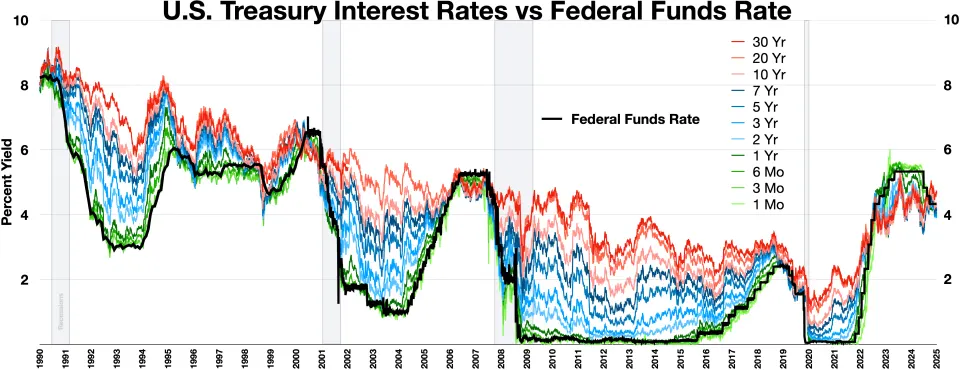
The broader implication for the average investor, particularly in regions facing currency devaluation and high inflation like Iran, is the importance of diversification. While the Toman's recent surge is driven by fear, understanding instruments like TIPS highlights alternative strategies for capital protection. For Iranians, seeking stable returns that outpace local inflation might involve exploring international investment options, though accessibility and currency conversion remain significant hurdles. The opportunity cost of ignoring inflation-protected bonds could be substantial over time, especially if inflation trends persist.
---
Electronic Arts CEO's Share Sale Sparks Investor Scrutiny
Electronic Arts (EA) CEO Andrew Wilson recently sold company shares worth approximately $1 million, a move that has drawn attention from investors and market analysts. While insider selling is not uncommon, the timing and value of such transactions can often signal perceptions of a company's future prospects or broader market sentiment. Yahoo Finance reported on the sale, prompting questions about its implications for EA's stock performance and investor confidence.
Such sales can be interpreted in various ways. Insiders might be diversifying their personal portfolios, raising capital for personal expenses, or signaling a belief that the stock has reached a certain valuation plateau. For EA, a prominent player in the video game industry, this sale occurs against a backdrop of evolving market dynamics, including the rise of new gaming platforms, competitive pressures, and shifting consumer spending habits. Investors will be closely watching EA's upcoming earnings reports and strategic announcements to gauge the company's trajectory following this significant insider transaction.

The significance for the broader market, and particularly for those tracking tech and gaming stocks, lies in understanding executive sentiment. When a CEO sells a substantial portion of their holdings, it can create a ripple effect, influencing analyst ratings and retail investor behavior. In a market that often reacts strongly to insider activity, this $1 million sale by the EA CEO serves as a reminder for investors to conduct thorough due diligence, considering both company-specific factors and the broader economic climate when making investment decisions. It underscores the need to look beyond headline stock prices and understand the underlying signals from company leadership.
Watch
BREAKING: 2 US troops killed in Jordan after Iranian missile attack
Fox News
Frequently Asked Questions
What is the current status of US-Iran relations following the attack in Jordan?
How is the Iranian Toman performing against the US dollar?
What are Treasury Inflation-Protected Securities (TIPS) and why are they relevant now?
What does the Electronic Arts CEO's share sale signify?
Geopolitical Risk Premium and Its Effect on Currency Markets
When a sudden geopolitical event—such as an attack on foreign troops or a flare‑up of regional tensions—shocks the market, investors immediately reassess the risk of holding assets denominated in the affected countries’ currencies. This reassessment is captured by the geopolitical risk premium, an extra return that investors demand for bearing the added uncertainty. The premium pushes the price of a risky currency down (or its inverse, the exchange rate, up) relative to safer currencies like the U.S. dollar.
In practice, the premium shows up as a rapid depreciation of the local currency and a spike in inflation expectations. In Iran, for example, heightened fears of a broader conflict with Israel or a U.S. response in Jordan can trigger capital flight, a surge in demand for dollars, and a sharp rise in the rial‑to‑dollar rate. The domestic price level reacts because imported goods become more expensive, feeding into higher headline inflation.
Investors seeking to protect their purchasing power turn to instruments that hedge inflation, such as Treasury Inflation‑Protected Securities (TIPS). TIPS adjust their principal based on the Consumer Price Index, offering a real‑rate return that rises with inflation. When geopolitical risk spikes, demand for TIPS often climbs as market participants look for assets that can preserve value against both currency depreciation and rising consumer prices.
Understanding the geopolitical risk premium helps policymakers and traders anticipate currency moves, set appropriate monetary responses, and gauge the broader economic impact of regional conflicts. By monitoring news, sanctions, and military developments, analysts can estimate how much of a risk premium is being priced in and adjust strategies accordingly.